
Our services
Wall Thickness Testing
Know the remaining wall, corrosion rate and safe life of your receivers and pipework, measured while they stay in service.
Service overview
How much metal is left, and how long it will last
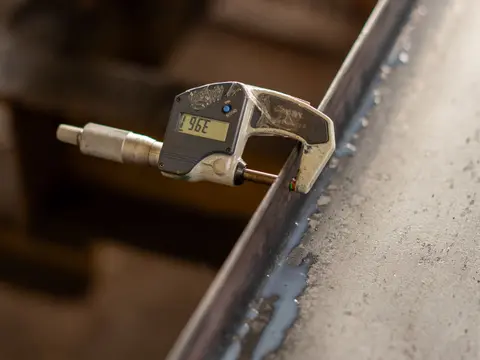
Our inspectors carry out an ultrasonic survey of your air receivers, pressure vessels and piping on site, while the equipment stays pressurised and in service. The survey measures how much metal remains at defined locations, converts the readings into a corrosion rate, and states whether each item can keep operating safely at its working pressure, and for how long. It covers receivers, buffer vessels, separators, filter housings and dryer towers, compressor discharge lines, mains, drop legs and dead legs.
Each survey follows a written procedure based on ISO 16809 and ASTM E797, with instruments calibrated against reference blocks at the start and end. Readings are assessed against the thickness the design code requires, and the inspection practices of API 510 and API 570 give the corrosion rate, remaining life and next survey date. Your report shows a location drawing for every item, the readings, and a clear status for each: acceptable, monitor, re-rate, or repair and replace.
- Remaining wallMeasured at marked locations
- Corrosion rateConverted into remaining life in years
- Safe pressureRecalculated where a vessel has thinned
- In serviceNo production stop, no material removed
Benefits
The problems it solves
Corrosion in compressed air equipment starts on the inside, where it can't be seen. Here is what that means, and how a survey puts numbers on it.
-
Corrosion you can't see
The problem
Condensate saturated with oxygen drains to the lowest surfaces of receivers and pipes, and the steel corrodes from the inside.
How it solves it
Thinning is found while the remaining wall still exceeds the required minimum and repair options are open.
-
Stress rises as metal goes
The problem
A shell that thins from 6 mm to 4 mm carries 50 % more stress at the same pressure, with no change in how it looks or performs.
How it solves it
Each item's status rests on its measured thickness against the thickness its design code requires.
-
Stored energy
The problem
A 500 litre receiver at 8 bar g holds about 0.5 MJ, released in milliseconds if the shell ruptures.
How it solves it
Where a vessel has thinned, a recalculated safe pressure lets you re-rate it and adjust the relief valve, or replace it.
-
Nominal isn't actual
The problem
Seamless pipe can be up to 12.5 % below nominal wall when new, and forming thins dished heads.
How it solves it
The first survey sets a measured baseline, and later surveys reuse the same marked locations so each one compares directly.
-
Rates that change
The problem
A stuck drain, a bypassed dryer or a new dead leg can multiply corrosion at one spot.
How it solves it
Corrosion patterns point to the cause, such as failed drains, missing slopes, dead legs or dryer problems.
-
Replacing on age, not evidence
The problem
Replacing every receiver at a fixed age wastes capital, and running without data risks failure.
How it solves it
A measured remaining life lets you keep, re-rate or replace each item on evidence, and budget years ahead.
Where it’s used
Wherever pressure equipment ages
Any plant with receivers and pipework under pressure has a wall that's getting thinner. These are some of the places we survey.
-

General manufacturing
Plant air receivers and mains in automotive, engineering, textile, packaging and glass plants, where untreated air corrodes.
-
Cement, steel and mining
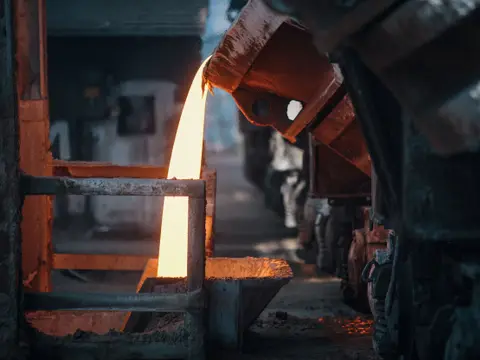
Large receivers, long outdoor mains and conveying lines in dusty, humid conditions, often with limited air treatment.
-

Power generation
Instrument, service, ash handling and control air receivers, surveyed during planned outages or on-stream.
-

Food, beverage and pharmaceuticals
Receivers and mains feeding production areas, surveyed before regulatory and insurance audits.
-

Chemicals and fertilisers
Sites where acid gases in the air make condensate more corrosive, so internal corrosion advances faster.
-

Shipping, ports and offshore
Starting air receivers and service air lines working in salt-laden air.
Also oil, gas, refining and petrochemicals, hospitals, industrial gas production, PET bottling and high-pressure air, railways and transport depots, construction and rental fleets, and equipment buyers and insurers.
Keep exploring
More from our range
Our other services, and equipment for every stage of your compressed air.
-
Refrigerated Air Dryers
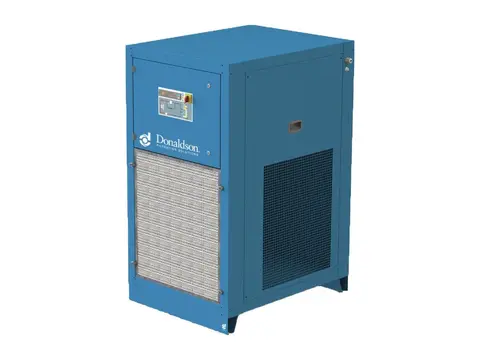
Dry, condensate-free air for your plant, with no compressed air spent drying.
View product -
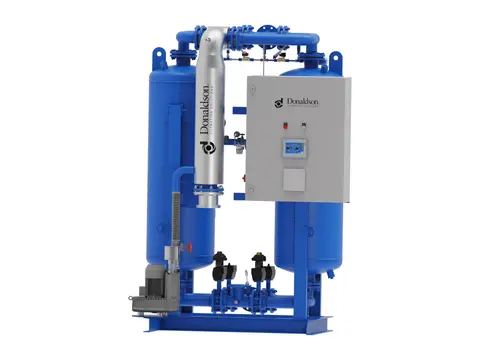
Heated Desiccant Dryers
Deep, stable dew points for your air, with heat doing the regeneration.
View product -
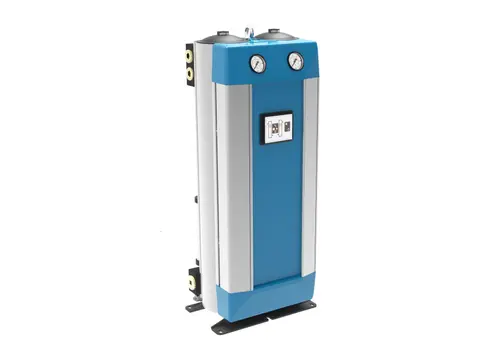
Heatless Desiccant Dryers
Deep dew points without heaters, for hazardous areas and remote sites.
View product -
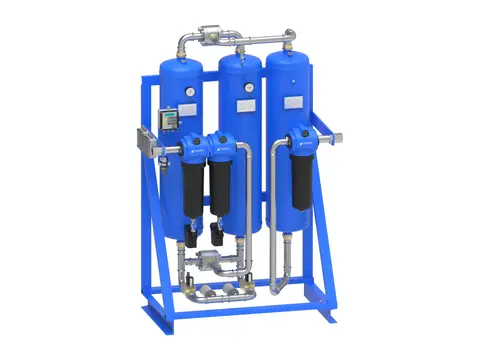
Breathing Air Systems
Your plant’s compressed air, made safe to breathe.
View product -
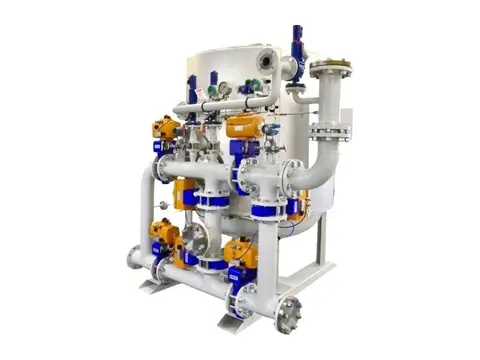
Hydrogen Dryers & De-Oxo Units
Electrolytic hydrogen purified of oxygen and water, ready for fuel cells.
View product -
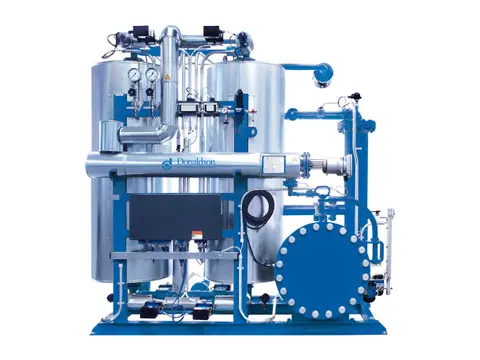
Biogas & Natural Gas Dryers
Dry, condensate-free fuel gas for your engines, boilers and upgrading plant.
View product -
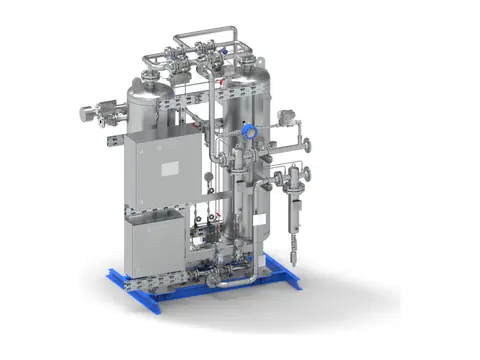
CO₂ Dryers
Beverage-grade dry CO₂ for your recovery plant, with no gas vented.
View product -
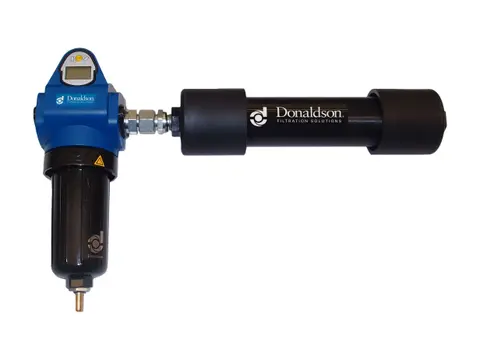
Membrane Dryers
Dry air at the point of use, with no power and no moving parts.
View product
-
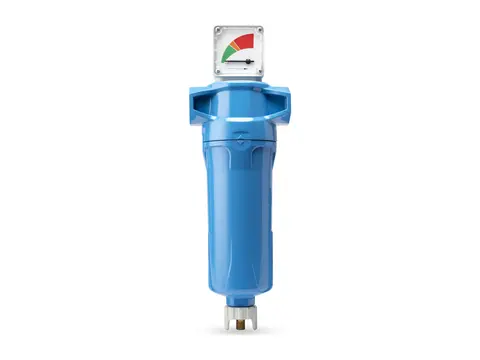
Coalescing Filters
Takes oil and water aerosols out of your air, down to 0.01 mg/m³.
View product -
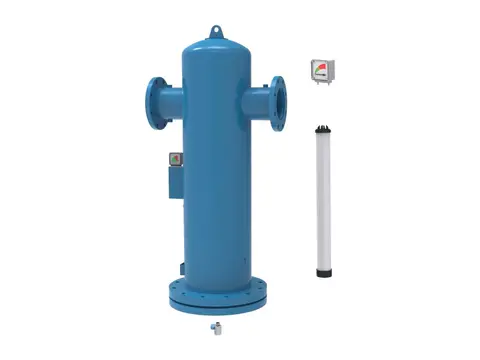
Particulate Filters
Dry, dust-free air for your plant, down to 0.01 µm particles.
View product -
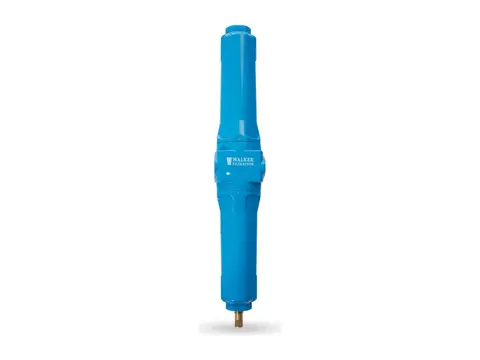
Compressed Air Duplex Filters
Change filter elements without interrupting your air supply.
View product -
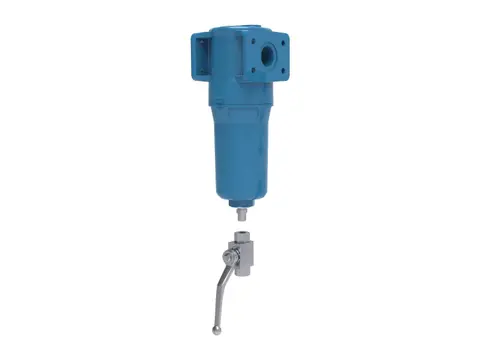
High Pressure Filters
Certified air purity for your high-pressure lines, up to 350 bar g.
View product -
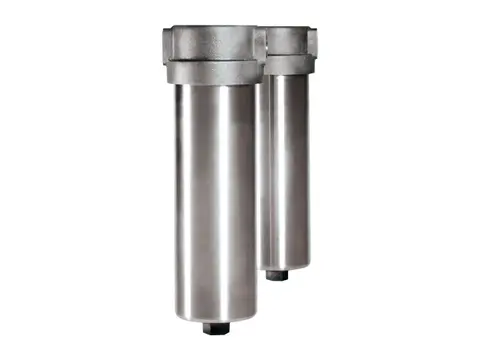
High Temperature Filters
Particle-free compressed air and gas where your process runs hot.
View product -
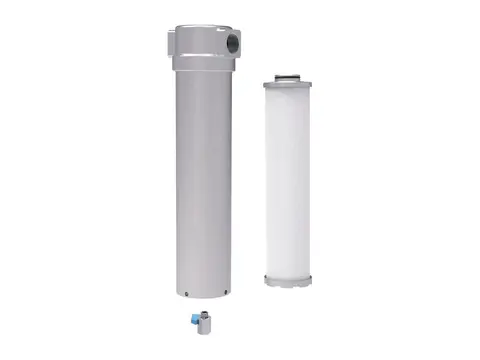
Ammonia and Refrigerant Filters
Keeps compressor oil out of your condensers and evaporators.
View product -
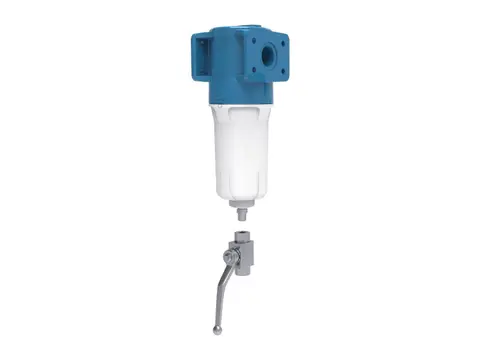
Oxygen Filters
Particle-free oxygen for your system, without adding an ignition source.
View product -
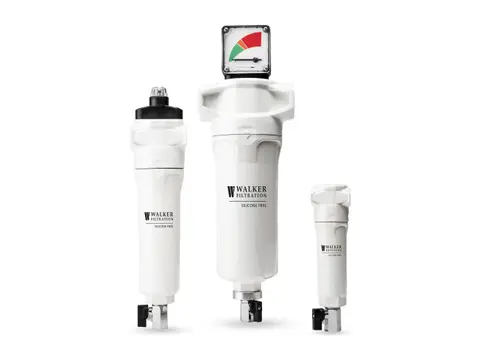
Silicone-Free Filters
Crater-free paint finishes, from air free of paint-wetting contaminants.
View product -
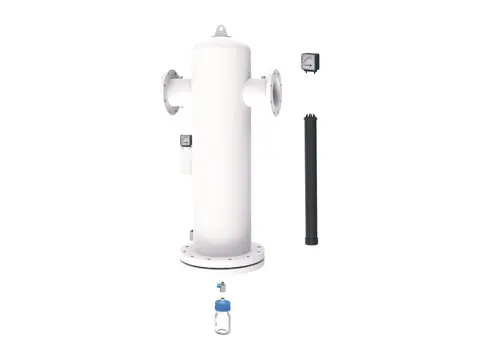
Medical Vacuum Filters
Keeps pathogens from hospital suction away from your pumps and exhaust.
View product -
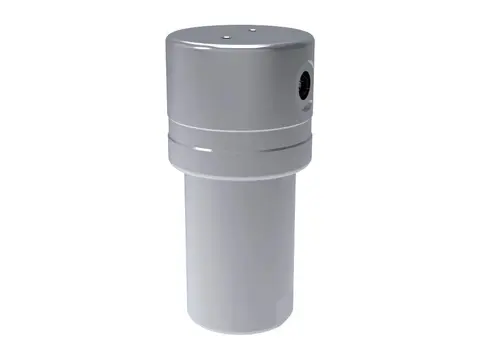
Hydrogen Filters
Particle, aerosol and oil-free hydrogen, from electrolyser to dispenser.
View product -
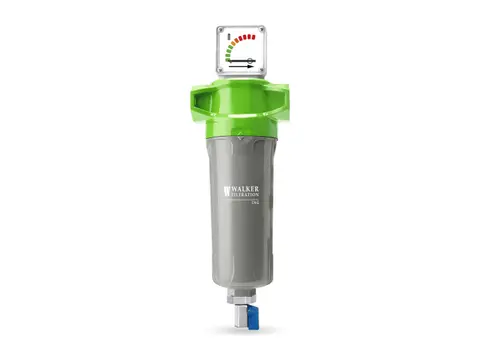
CNG Filters
Oil-free, particle-free natural gas from your compressor to the vehicle.
View product
-
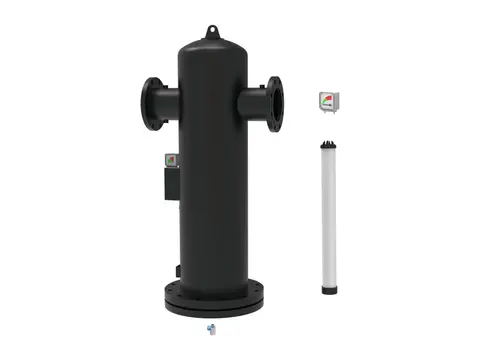
Centrifugal Moisture Separators
Bulk liquid out of your air by centrifugal force, with no element to replace.
View product -
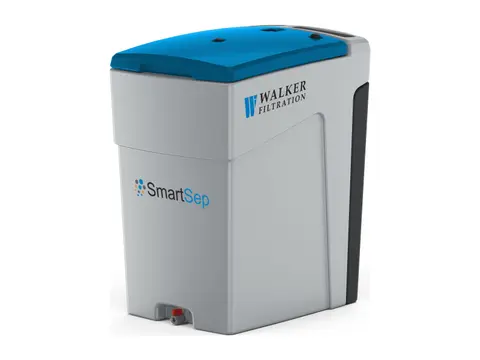
Oil Water Separator
Turns oily compressor condensate into water fit for sewer discharge.
View product -
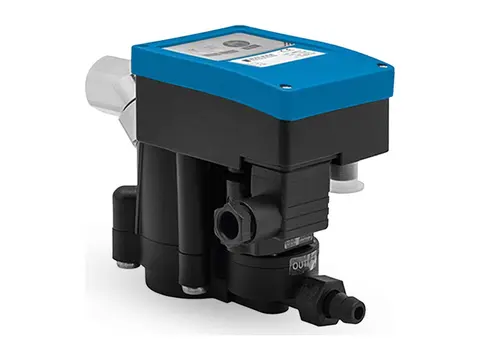
Zero-Loss Electronic Drain
Discharges every drop of condensate from your system, never your compressed air.
View product -
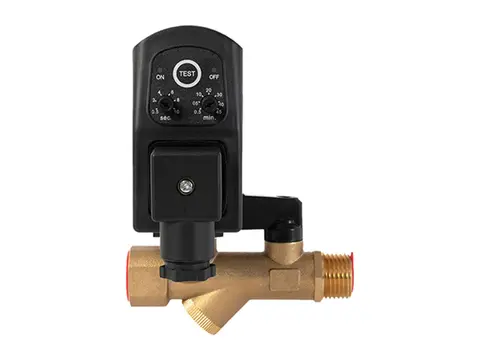
Timer Drain
Scheduled, positive condensate discharge from any collection point in your system.
View product -
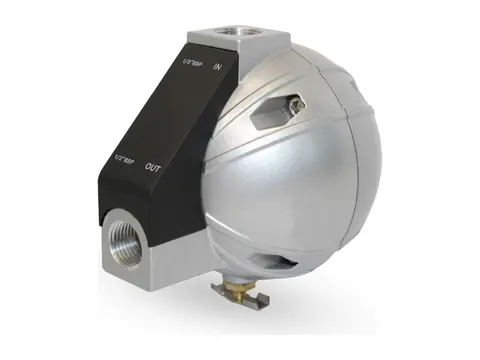
Mechanical Float Drain
Buoyancy-driven condensate removal with no power and no air loss.
View product -
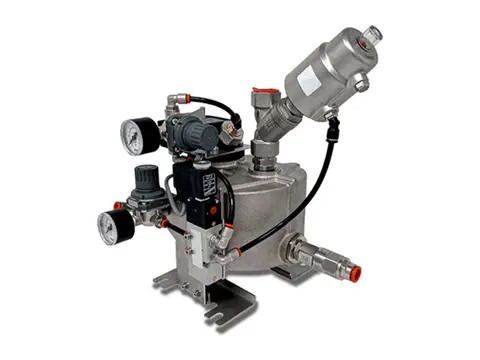
Vacuum Drain
Empties liquid from your vacuum system without breaking the vacuum.
View product
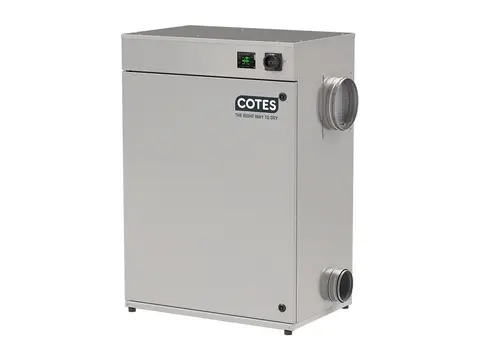
-
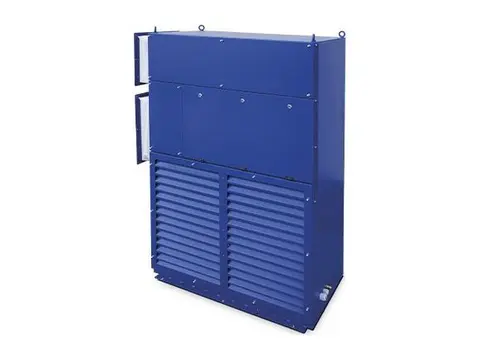
Crane Air Conditioner
Cool, clean cabins and electrical rooms for cranes working in extreme heat.
View product -
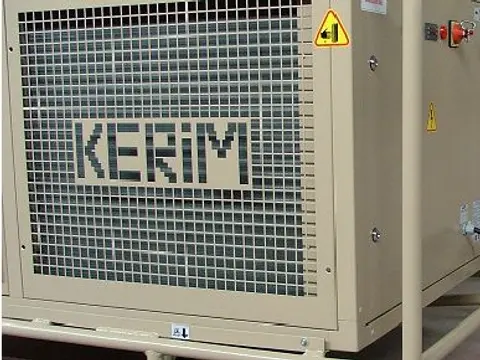
Tent Air Conditioner
Controlled climate for your tents, shelters and temporary structures.
View product -
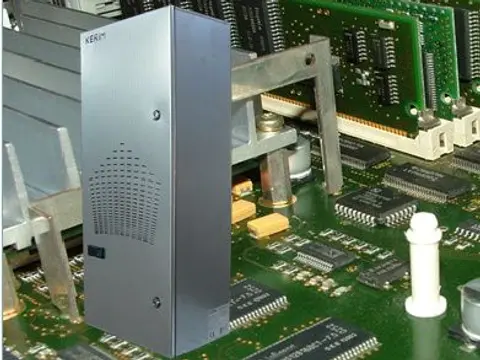
Panel Air Conditioner
Cool, clean, dry control panels, even in your hottest, dirtiest plant areas.
View product -
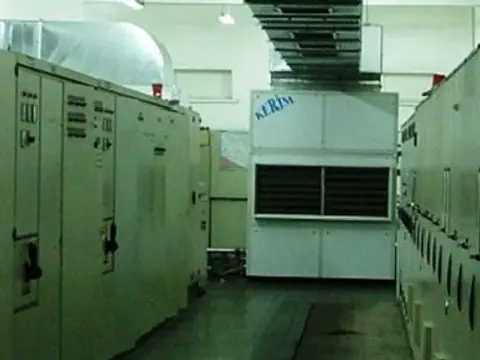
Air / Water Cooled Air Conditioner
Stable room temperatures for your electrical rooms in extreme plant heat.
View product
-
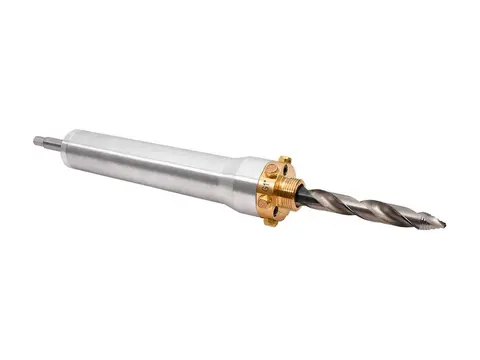
Hot Tapping
Add measurement ports to your live air lines without stopping production.
View product -
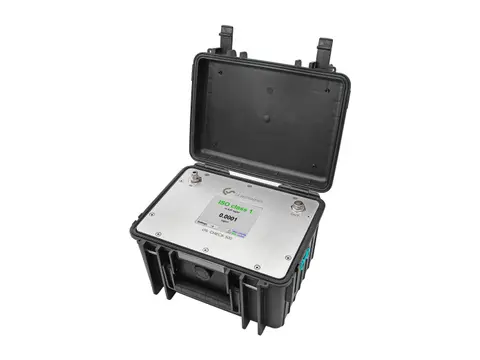
Compressed Air Quality Measurement
Prove your air's ISO 8573-1 purity: particles, oil and dew point.
View product -
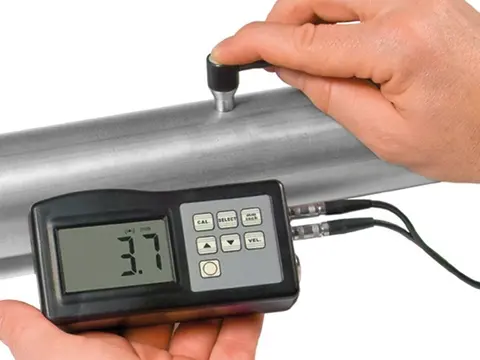
Digital Thickness Meter
Measure the metal left in your receivers and pipework, from the outside.
View product -
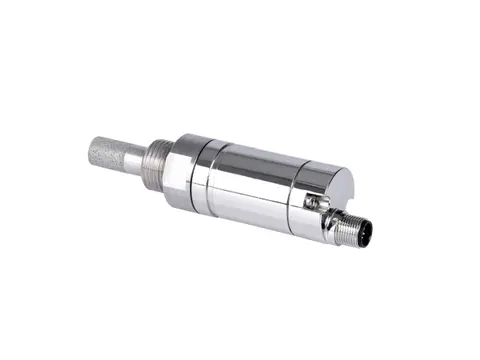
Dew Point Meter
Proof your air is dry, measured at line pressure.
View product -
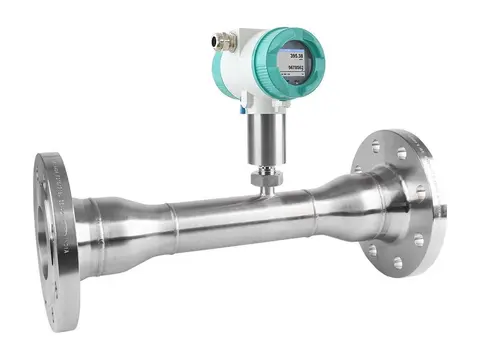
Flow Meter
True standard flow of your compressed air, whatever the line pressure.
View product -
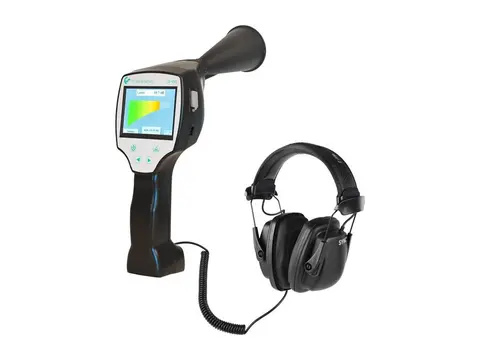
Leak Detector
Hear, locate and cost every compressed air leak in your plant.
View product -
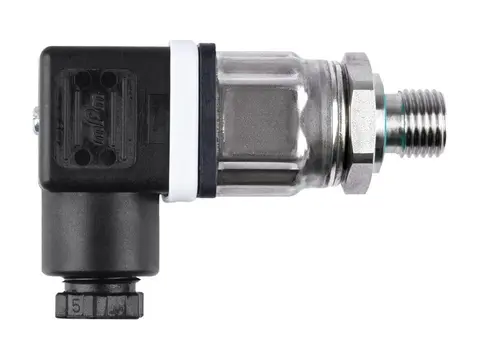
Pressure Sensor
Live pressure data from your compressor room to every point of use.
View product -
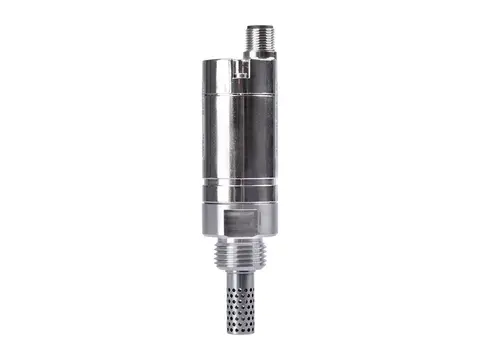
Humidity Meter
Humidity, temperature and dew point from one probe.
View product -
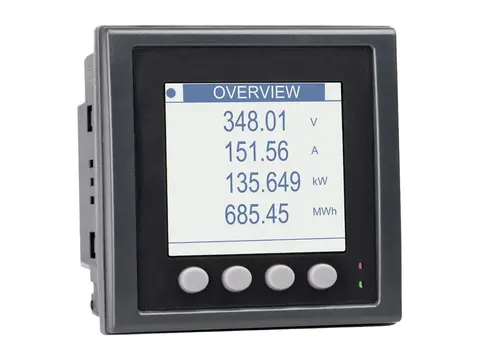
Power Meter
Measure the true power, energy and efficiency of your compressors.
View product
-
Health Testing of Compressed Air & Gas Dryers
Measured proof your dryer delivers its rated dew point.
View service -
Commissioning and Service of Compressed Air & Gas Dryers
Verified dew point from first start-up through your dryer's service life.
View service -

Compressed Air Quality Testing
Measured, documented proof of your compressed air purity class.
View service -
Dew Point Measurement Testing
Verified pressure dew point at the points that matter in your network.
View service -
Compressed Air Flow Testing
Measured air demand, leakage and cost for your plant, not estimates.
View service -
Sourcing
Spares, consumables and whole systems for your plant, sourced globally.
View service
