
Our services
Compressed Air Quality Testing
Measured, documented proof of the purity class your compressed air actually meets.
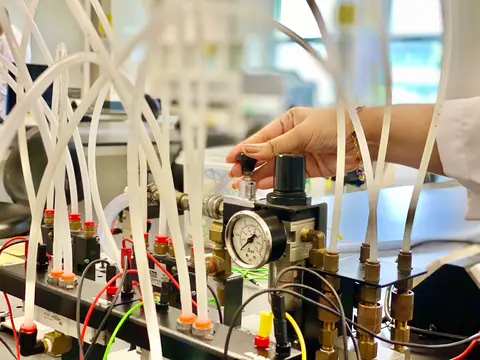
Service overview
Your air's purity class, measured rather than assumed
We measure the contaminants in your compressed air at defined points in your system, under your actual operating conditions, and report the result as a purity class under ISO 8573-1:2010: solid particles, water and total oil, written as a three-digit designation such as [1:2:1]. Every concentration is corrected to the standard's reference conditions of 20 °C and 1 bar absolute.
Each test is scoped to the class your application needs. A general plant air audit may cover dew point, particles and oil. Food, pharmaceutical and breathing air systems add oil vapour, microbiological sampling and gases such as CO and CO₂, measured against BCAS Guideline 102, the European Pharmacopoeia, HTM 02-01 or EN 12021. Your report gives each location, the conditions at sampling, the measured and corrected values, the class achieved and the corrective action for anything that misses.
- [A:B:C]Particles, water and oil, each measured
- 20 °C, 1 bar aEvery result corrected to reference
- Per test pointA class for each location
- In serviceSampled at line pressure, system running
Benefits
The problems it solves
At the levels that matter, contamination can't be seen, smelled or wiped off a nozzle. Here is why only measurement settles it.
-
Ratings aren't results
The problem
A filter or dryer delivers its class only at its rated inlet conditions, and saturated carbon passes oil vapour with no change in pressure drop.
How it solves it
You get a measured ISO 8573-1 class for each test point, based on what's in the air, not what the equipment is rated for.
-
Invisible limits
The problem
The Class 1 oil limit of 0.01 mg/m³ is about 8 parts per billion by mass.
How it solves it
Calibrated instruments measure each contaminant separately, in the units the standard sets.
-
Pipework that changes your air
The problem
Rusting pipes shed particles, old oil deposits release vapour and dead legs grow bacteria, so air at the process can be worse than air leaving treatment.
How it solves it
Testing at successive points builds a profile that separates the compressor, the treatment plant and the pipework as sources.
-
Customers and auditors want proof
The problem
Food, pharmaceutical, medical and breathing air standards set limits that can only be shown by measurement.
How it solves it
Reports with traceable calibration and documented methods satisfy auditors, customers and regulators.
-
The cost of getting it wrong
The problem
Oil or microbes in food or medicine can mean batch recalls, and CO and oil mist in breathing air harm operators.
How it solves it
Food, medicines and breathing air are verified against their own limits for oil, water, particles, microorganisms and gases.
-
Maintenance by guesswork
The problem
Without results, filter elements and carbon are changed too early or too late.
How it solves it
Measured loads show where treatment falls short and where it exceeds the need, so elements and carbon are changed on real demand.
Where it’s used
Wherever air touches product or people
Any plant with a purity class to meet can have it measured. These are some of the places it matters most.
-

Food and beverage
Bottle blowing, conveying, cutting and packaging, to BCAS Guideline 102 Class 2:2:1 for direct contact and 2:4:2 for indirect.
-
Pharmaceuticals
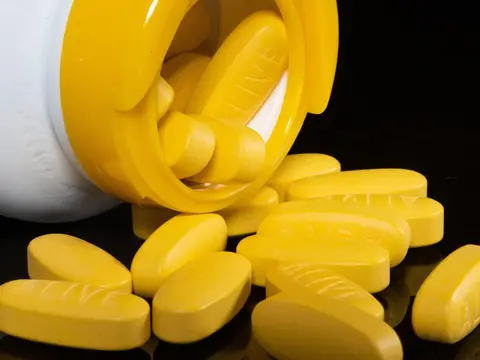
Air contacting tablets, capsules or sterile product, tested for particles, dew point, oil and microorganisms for GMP validation.
-

Automotive and surface finishing
Paint shop air, where oil and silicone traces cause craters and adhesion failure.
-
Textiles
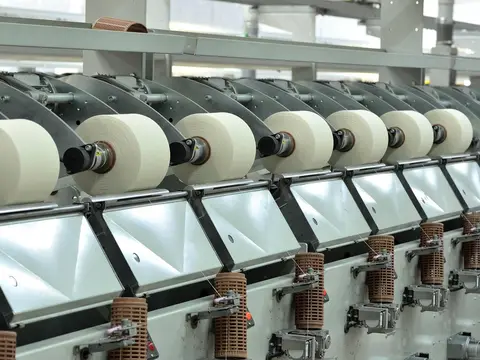
Air-jet looms blowing air straight into yarn, where oil stains the finished fabric.
-

Plastics and PET
High-pressure blow air that contacts the inside of beverage containers.
-

Oil, gas and petrochemicals
Instrument air checked against the dew point requirement of ISA-7.0.01.
Also hospitals and medical gas, breathing air, electronics and semiconductors, laboratories and nitrogen generation.
Keep exploring
More from our range
Our other services, and equipment for every stage of your compressed air.
-
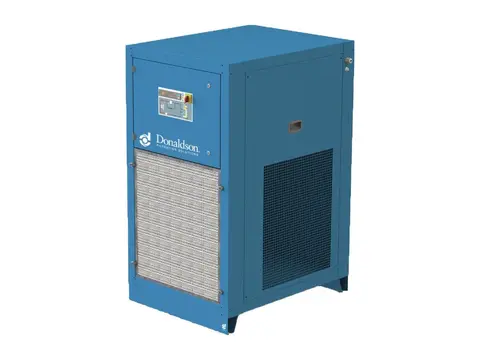
Refrigerated Air Dryers
Dry, condensate-free air for your plant, with no compressed air spent drying.
View product -
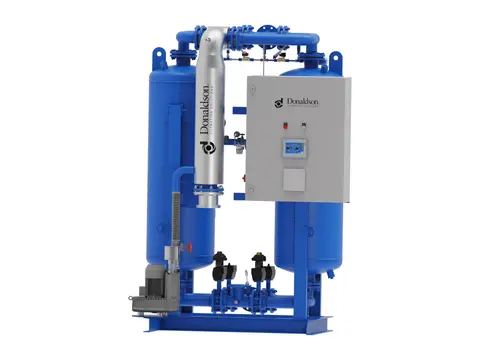
Heated Desiccant Dryers
Deep, stable dew points for your air, with heat doing the regeneration.
View product -
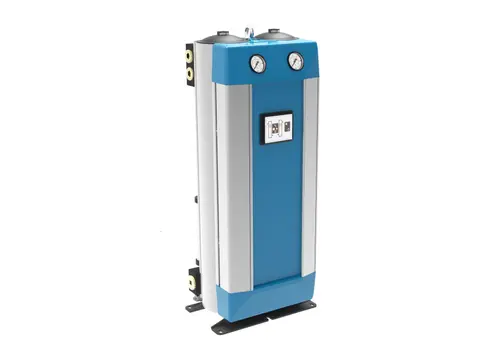
Heatless Desiccant Dryers
Deep dew points without heaters, for hazardous areas and remote sites.
View product -
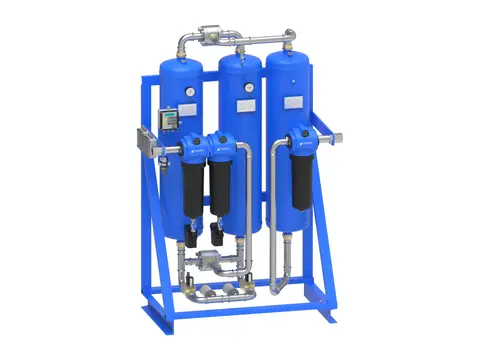
Breathing Air Systems
Your plant’s compressed air, made safe to breathe.
View product -
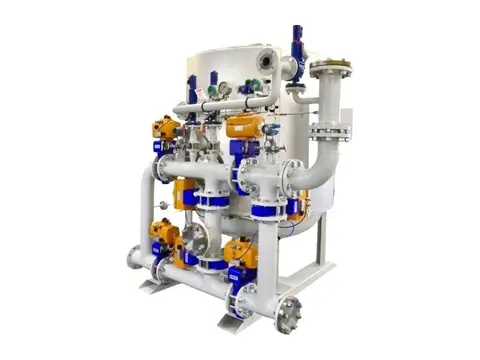
Hydrogen Dryers & De-Oxo Units
Electrolytic hydrogen purified of oxygen and water, ready for fuel cells.
View product -
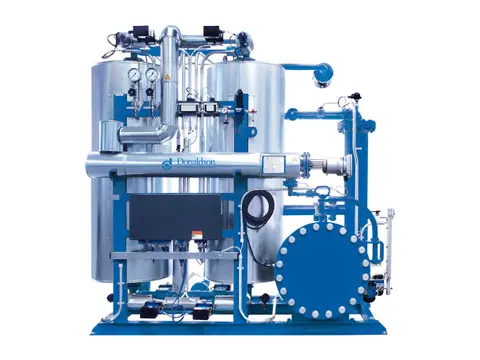
Biogas & Natural Gas Dryers
Dry, condensate-free fuel gas for your engines, boilers and upgrading plant.
View product -
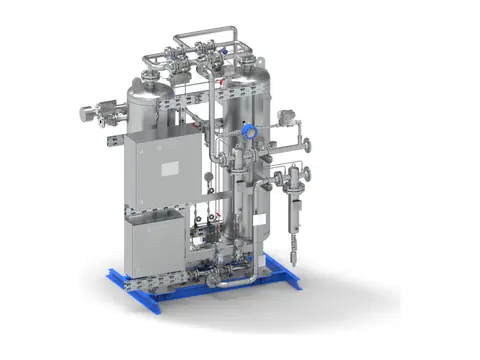
CO₂ Dryers
Beverage-grade dry CO₂ for your recovery plant, with no gas vented.
View product -
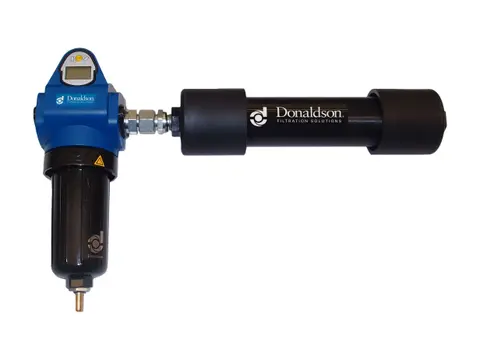
Membrane Dryers
Dry air at the point of use, with no power and no moving parts.
View product
-
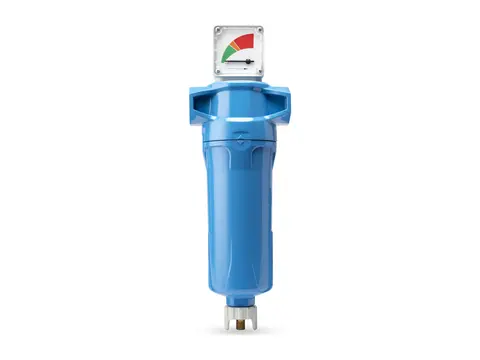
Coalescing Filters
Takes oil and water aerosols out of your air, down to 0.01 mg/m³.
View product -
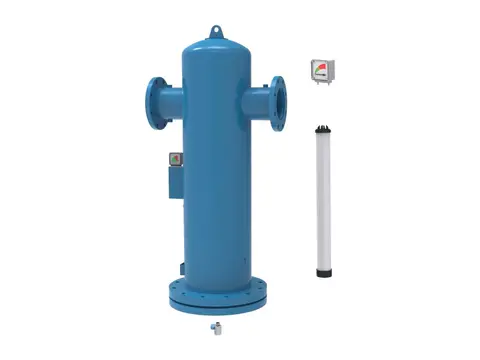
Particulate Filters
Dry, dust-free air for your plant, down to 0.01 µm particles.
View product -
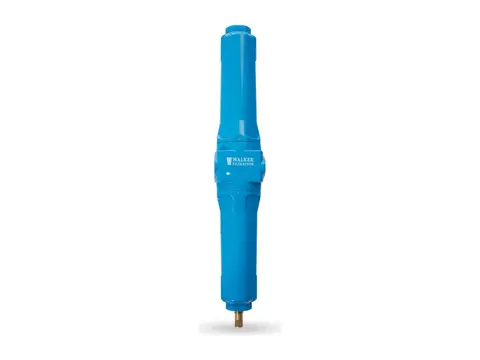
Compressed Air Duplex Filters
Change filter elements without interrupting your air supply.
View product -
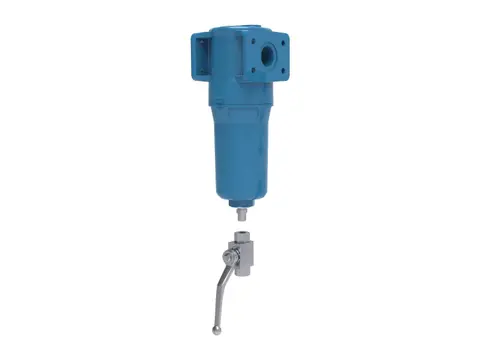
High Pressure Filters
Certified air purity for your high-pressure lines, up to 350 bar g.
View product -
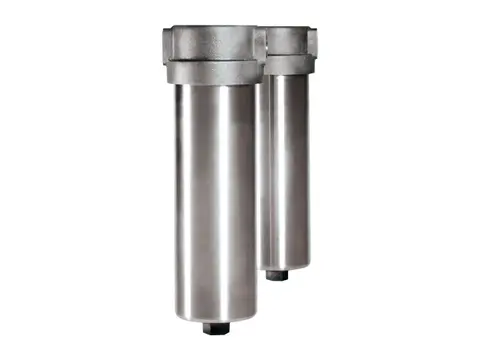
High Temperature Filters
Particle-free compressed air and gas where your process runs hot.
View product -
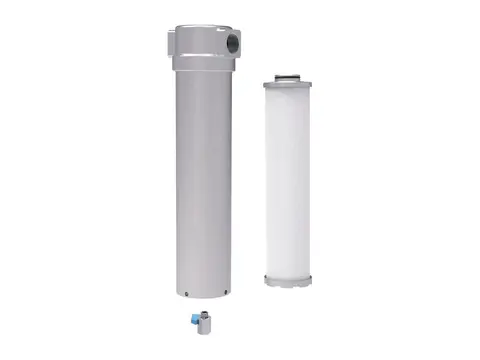
Ammonia and Refrigerant Filters
Keeps compressor oil out of your condensers and evaporators.
View product -
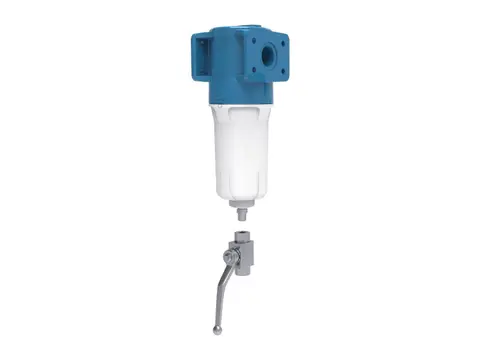
Oxygen Filters
Particle-free oxygen for your system, without adding an ignition source.
View product -
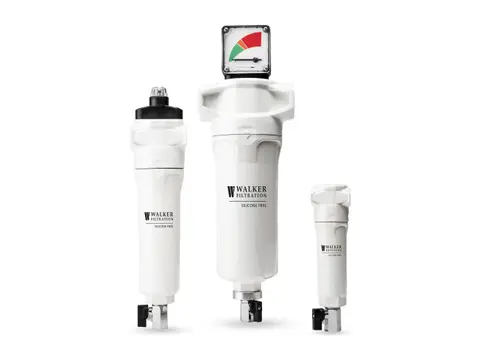
Silicone-Free Filters
Crater-free paint finishes, from air free of paint-wetting contaminants.
View product -
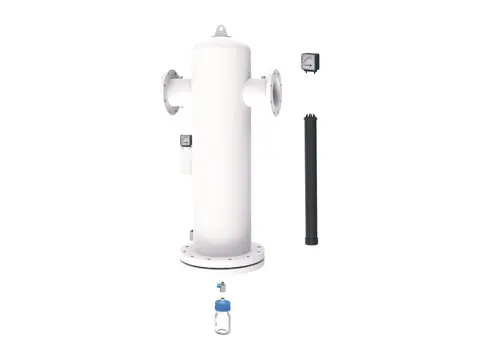
Medical Vacuum Filters
Keeps pathogens from hospital suction away from your pumps and exhaust.
View product -
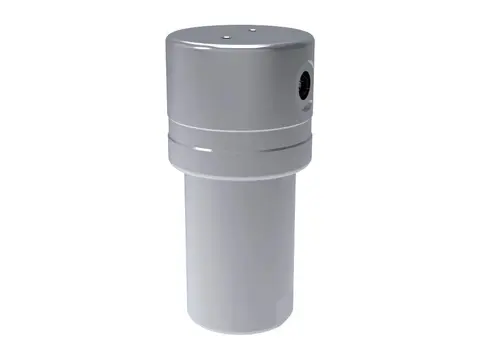
Hydrogen Filters
Particle, aerosol and oil-free hydrogen, from electrolyser to dispenser.
View product -
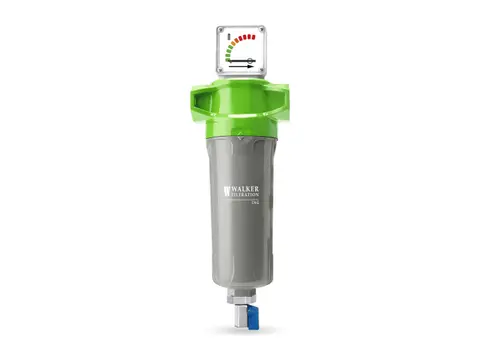
CNG Filters
Oil-free, particle-free natural gas from your compressor to the vehicle.
View product
-
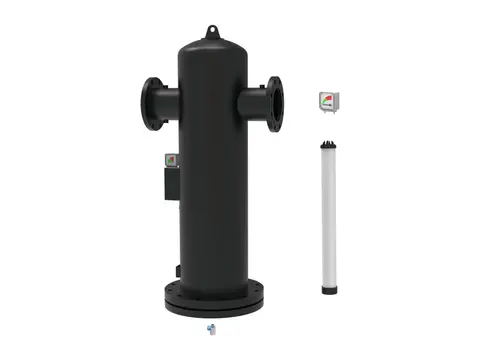
Centrifugal Moisture Separators
Bulk liquid out of your air by centrifugal force, with no element to replace.
View product -
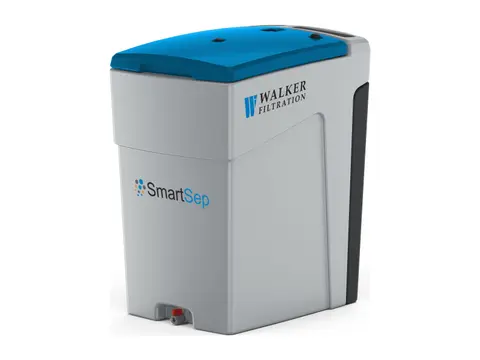
Oil Water Separator
Turns oily compressor condensate into water fit for sewer discharge.
View product -
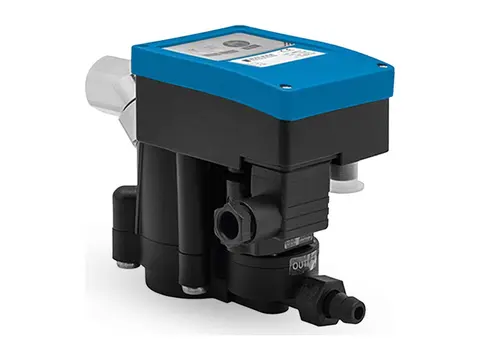
Zero-Loss Electronic Drain
Discharges every drop of condensate from your system, never your compressed air.
View product -
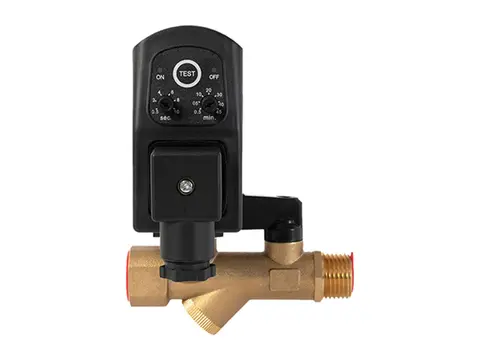
Timer Drain
Scheduled, positive condensate discharge from any collection point in your system.
View product -
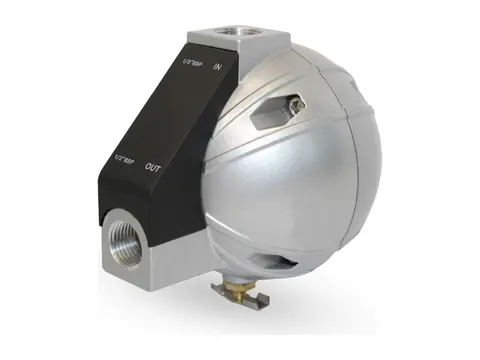
Mechanical Float Drain
Buoyancy-driven condensate removal with no power and no air loss.
View product -
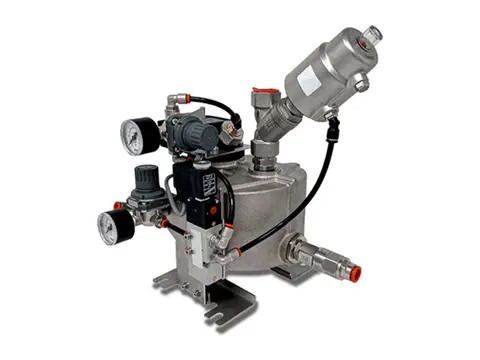
Vacuum Drain
Empties liquid from your vacuum system without breaking the vacuum.
View product
-
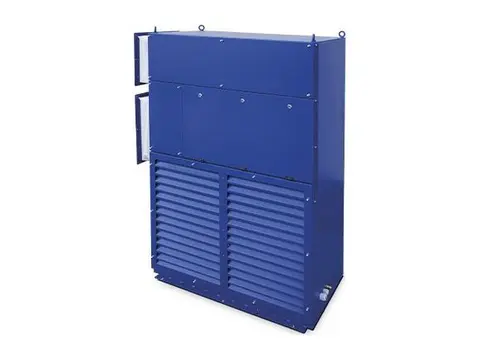
Crane Air Conditioner
Cool, clean cabins and electrical rooms for cranes working in extreme heat.
View product -
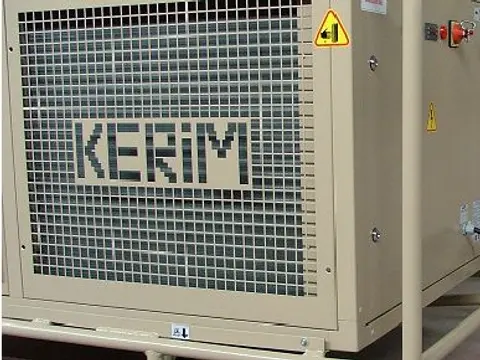
Tent Air Conditioner
Controlled climate for your tents, shelters and temporary structures.
View product -
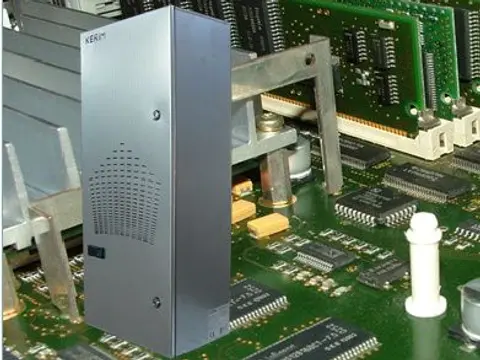
Panel Air Conditioner
Cool, clean, dry control panels, even in your hottest, dirtiest plant areas.
View product -
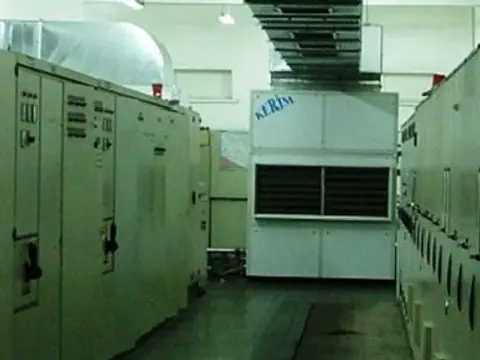
Air / Water Cooled Air Conditioner
Stable room temperatures for your electrical rooms in extreme plant heat.
View product
-
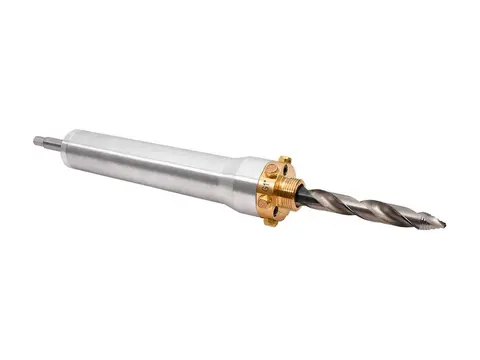
Hot Tapping
Add measurement ports to your live air lines without stopping production.
View product -
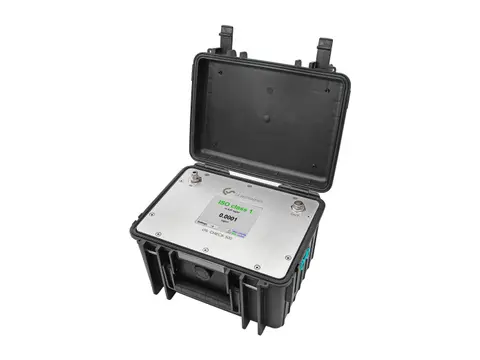
Compressed Air Quality Measurement
Prove your air's ISO 8573-1 purity: particles, oil and dew point.
View product -
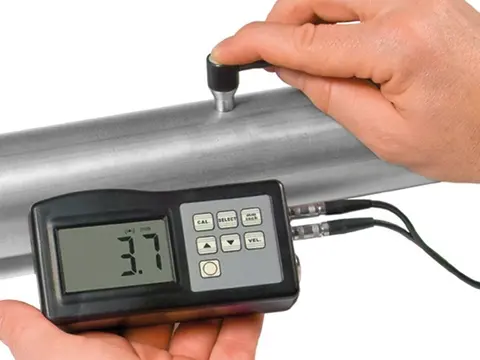
Digital Thickness Meter
Measure the metal left in your receivers and pipework, from the outside.
View product -
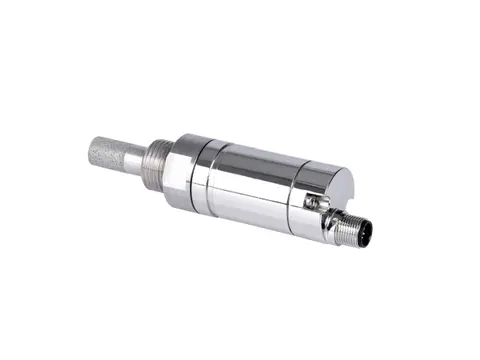
Dew Point Meter
Proof your air is dry, measured at line pressure.
View product -
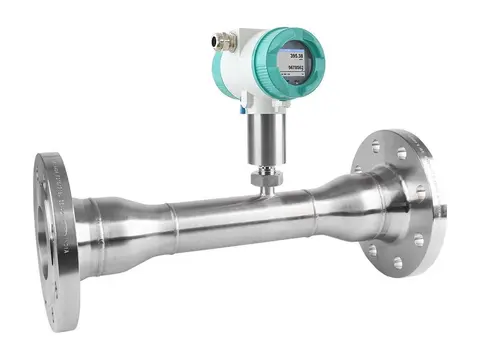
Flow Meter
True standard flow of your compressed air, whatever the line pressure.
View product -
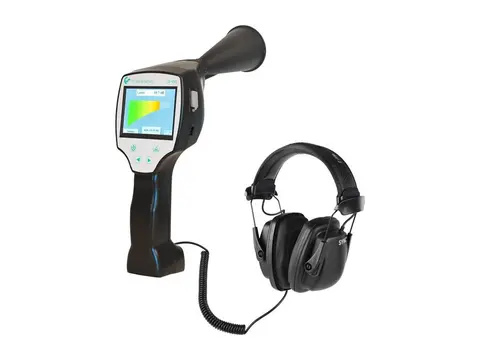
Leak Detector
Hear, locate and cost every compressed air leak in your plant.
View product -
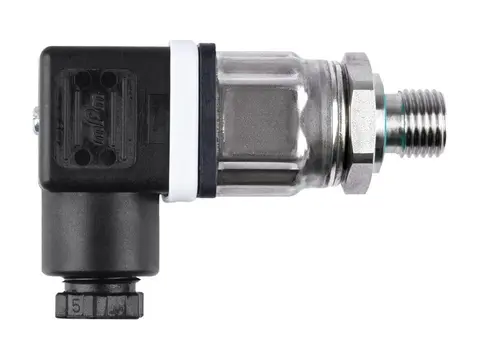
Pressure Sensor
Live pressure data from your compressor room to every point of use.
View product -
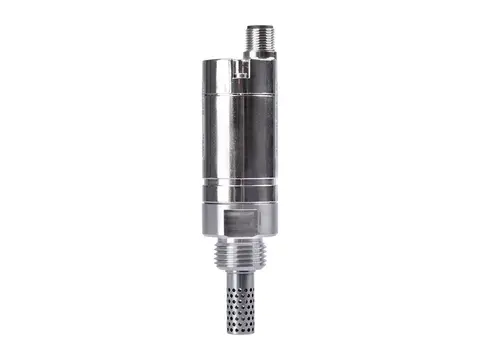
Humidity Meter
Humidity, temperature and dew point from one probe.
View product -
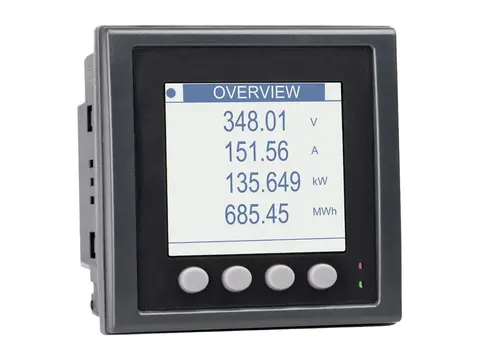
Power Meter
Measure the true power, energy and efficiency of your compressors.
View product
-
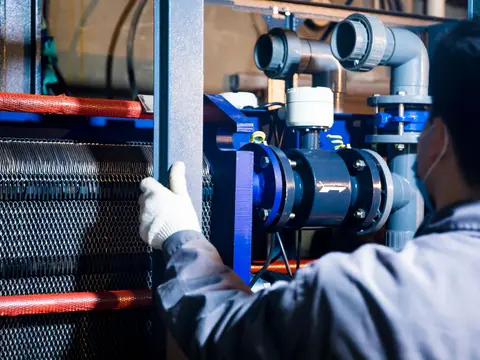
Health Testing of Compressed Air & Gas Dryers
Measured proof your dryer delivers its rated dew point.
View service -
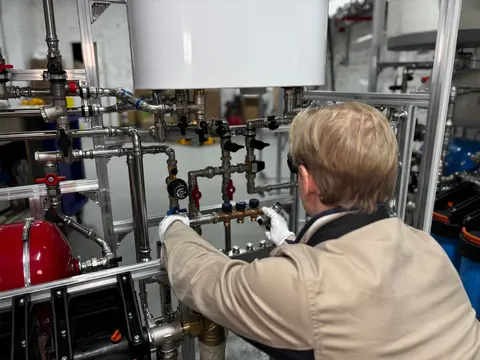
Commissioning and Service of Compressed Air & Gas Dryers
Verified dew point from first start-up through your dryer's service life.
View service -
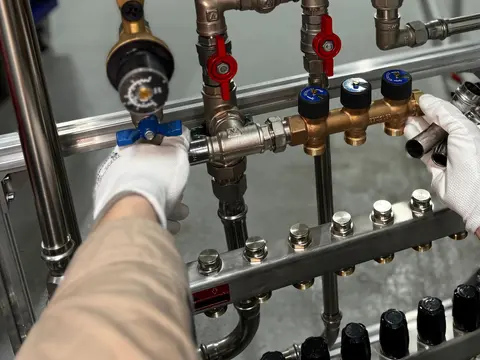
Dew Point Measurement Testing
Verified pressure dew point at the points that matter in your network.
View service -
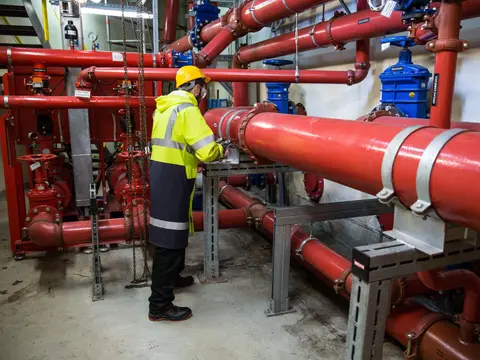
Compressed Air Flow Testing
Measured air demand, leakage and cost for your plant, not estimates.
View service -
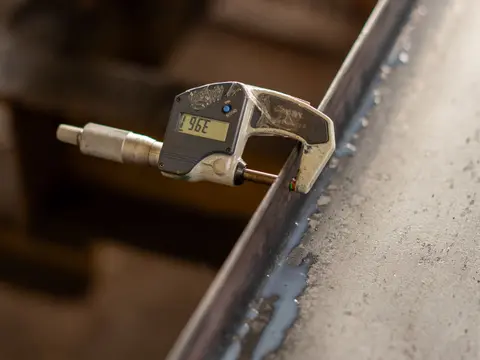
Wall Thickness Testing
Know the remaining wall, corrosion rate and safe life of your equipment.
View service -
Sourcing
Spares, consumables and whole systems for your plant, sourced globally.
View service
