
Compressed Air & Gas Filters
High Temperature Filter
Clean air right where the heat is used, with seals and housings that hold through every heat-up and cool-down.
Product overview
Particle-free air at the temperature your process runs
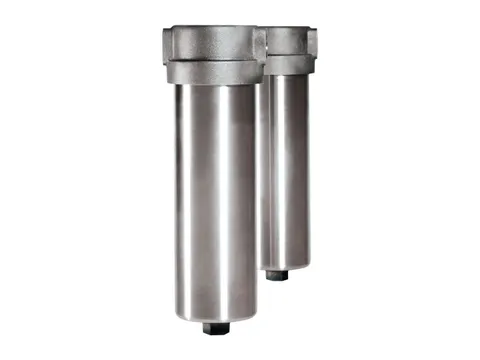
Our high temperature filter removes solid particles from compressed air and technical gases that flow hot: air used before it is aftercooled, air raised in temperature by a process heater, and lines running through furnace halls, glass forming lines and boiler houses.
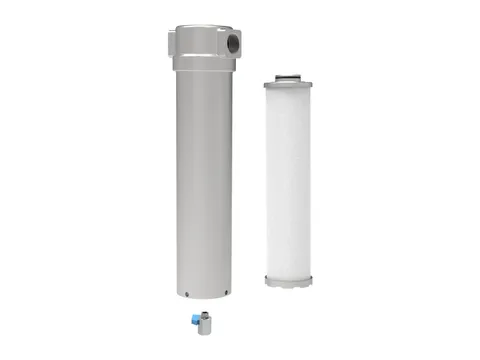
It is rated for continuous service commonly up to about 200 °C, with specialised designs rated higher. The element, seals and housing keep their filtration efficiency, sealing integrity and pressure rating at that temperature and through repeated heating and cooling. The general-purpose 1 µm grade removes pipe scale, rust, carbon and wear debris; the high-efficiency 0.01 µm grade removes sub-micron dust to protect fine nozzles, analysers and sensitive processes.
Hot air normally carries its water as vapour, so the filter collects dry dust that stays loose and porous on the element, as long as every internal surface stays above the dew point.
- About 200 °CContinuous service, common rating
- 0.01 µmHigh-efficiency grade
- 1 µmGeneral-purpose grade
- About 2.3 ×Clean pressure drop at 200 °C against 20 °C
Benefits
The problems it solves
A hot line produces particles continuously, even pipework that was clean at commissioning. Here is what they do, and how the filter stops them.
-
Scale from hot pipework
The problem
Each heating and cooling cycle breaks flakes of oxide scale away from steel pipes and heater surfaces into the air stream.
How it solves it
Filtering at process temperature, after the heater and hot pipework, catches the scale they add before it reaches your process.
-
Blocked jets and scored valves
The problem
A single scale flake can block a small bore and stop a sealing, drying or cooling jet, and hard oxide particles score valve seats.
How it solves it
Nozzles, valves, desiccant, catalysts and analysers stay free of scale and carbon, so blocked jets and scored valves no longer stop production.
-
Seals that fail in the heat
The problem
At high temperature elastomers harden and take a permanent set, opening a leak path around the element that lowers the pressure drop instead of raising it.
How it solves it
Element and housing seals rated for the temperature hold through heat-up, steady running and cool-down, so no air bypasses the medium.
-
A particle class you must meet
The problem
A specified ISO 8573-1 particle class applies to the air that reaches your process, whatever its temperature.
How it solves it
The air can meet your specified ISO 8573-1:2010 particle class at the point of use.
-
Housings beyond their rating
The problem
Metal strength falls as temperature rises, and a pressure rating is valid only up to its declared temperature.
How it solves it
Housings carry declared pressure and temperature ratings under PED 2014/68/EU or ASME, for safe containment at temperature.
-
Spoiled test results
The problem
Debris entering a turbine or turbocharger under test damages blades and invalidates results.
How it solves it
Test articles receive debris-free air, so failures reflect the article under test, not contamination.
Where it’s used
Wherever your air runs hot
Near furnaces, kilns and boilers, and wherever compressed air is heated for the process, the filter works at the temperature of the air it protects.
-
Glass
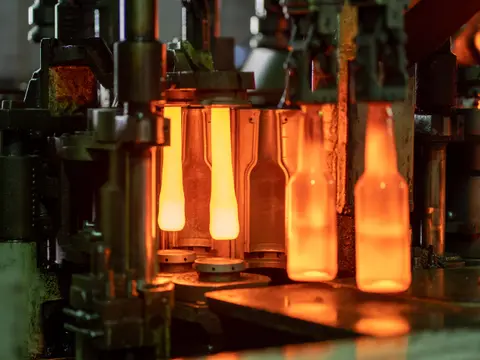
Plant air lines beside furnaces and forming machines, where surroundings stay hot and pipework runs hot.
-
Steel, aluminium and foundries
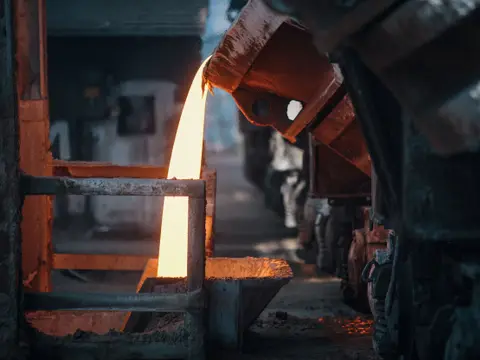
Air supplies near furnaces, ladles, continuous casters and rolling mills that carry oxide scale.
-

Cement, lime and minerals
Air lines in kiln and clinker cooler areas, exposed to radiant heat and heavy dust.
-

Power generation
Air and gas lines held at elevated temperature in boiler houses and turbine halls.
-

Chemicals and petrochemicals
Hot nitrogen purging of reactors, catalyst regeneration air and hot process gas streams.
-

Plastics and packaging
Hot-air welding, heat sealing and shrink processes, where particles mark the product surface.
Also heat-of-compression desiccant dryers, emissions and process gas analysis, aerospace and automotive test rigs, electronics soldering and rework, and compressor heat recovery.
How it works
Filter hot, seal tight, stay dry
The filter sits after the last source of particles and before the equipment it protects, at the temperature of the process it serves.
-
1. Hot air inAir heated at the point of use carries oxide scale from the heater and hot pipework. It enters the filter head and is directed into the bowl around the outside of the element.
-
2. Outside to insideThe air passes from the outside of the element to its inside. Scale and debris collect on the outer surface and in the depth of the medium, caught by sieving, impaction, interception and diffusion, and the dry dust builds an open, porous layer.
-
3. Sealed at temperatureElement and seal materials rated for the temperature, and a seal geometry that keeps contact pressure through each thermal cycle, stop any air bypassing the medium.
-
4. Clean hot air outThe clean air rises through the element core and leaves through the outlet, to a hot-air point of use as close to the filter as practical.
-
5. Kept above the dew pointInsulation keeps every internal surface above the pressure dew point, so no liquid wets the dust. The temperature-rated drain discharges anything that falls to the bowl, and the gauge reading is compared with a baseline taken at operating temperature.
Dew point of about 55 °C for air drawn in at 25 °C and 60 % RH and compressed to 7 bar g.
Get the full details
Our brochure covers it in detail, and our questionnaire tells us what we need to recommend the right one for your plant.
Keep exploring
More from our range
Equipment for every stage of your compressed air, and our own engineers to test, commission and look after it.
-
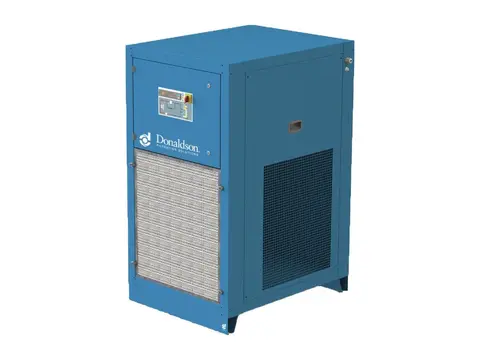
Refrigerated Air Dryers
Dry, condensate-free air for your plant, with no compressed air spent drying.
View product -
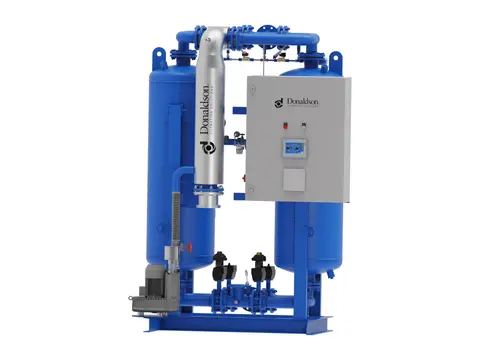
Heated Desiccant Dryers
Deep, stable dew points for your air, with heat doing the regeneration.
View product -
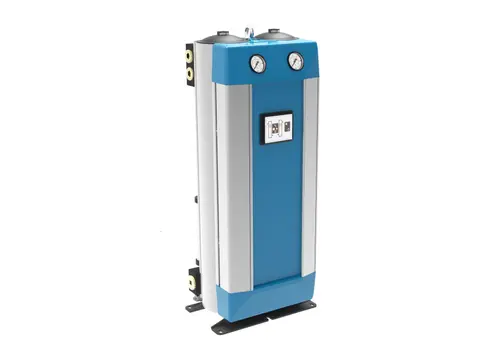
Heatless Desiccant Dryers
Deep dew points without heaters, for hazardous areas and remote sites.
View product -
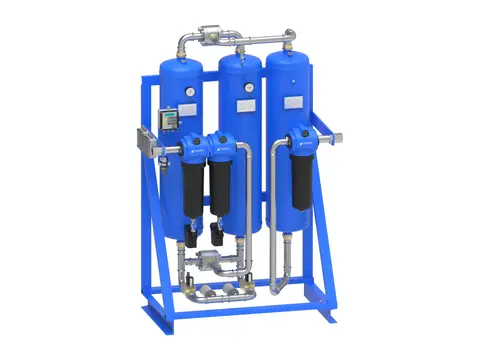
Breathing Air Systems
Your plant’s compressed air, made safe to breathe.
View product -
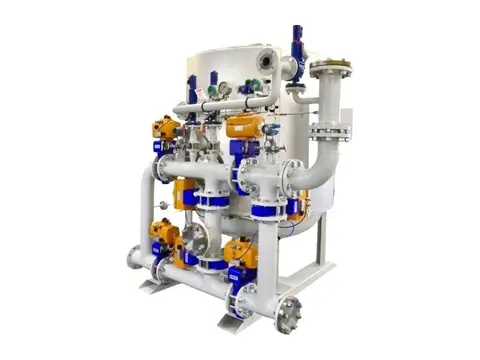
Hydrogen Dryers & De-Oxo Units
Electrolytic hydrogen purified of oxygen and water, ready for fuel cells.
View product -
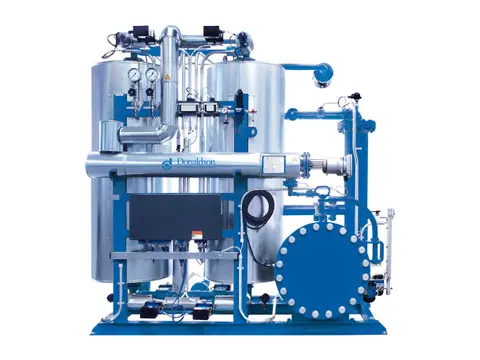
Biogas & Natural Gas Dryers
Dry, condensate-free fuel gas for your engines, boilers and upgrading plant.
View product -
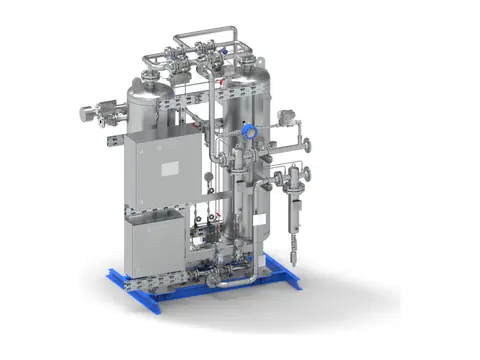
CO₂ Dryers
Beverage-grade dry CO₂ for your recovery plant, with no gas vented.
View product -
Membrane Dryers
Dry air at the point of use, with no power and no moving parts.
View product
-
Coalescing Filters
Takes oil and water aerosols out of your air, down to 0.01 mg/m³.
View product -
Particulate Filters
Dry, dust-free air for your plant, down to 0.01 µm particles.
View product -
Compressed Air Duplex Filters
Change filter elements without interrupting your air supply.
View product -
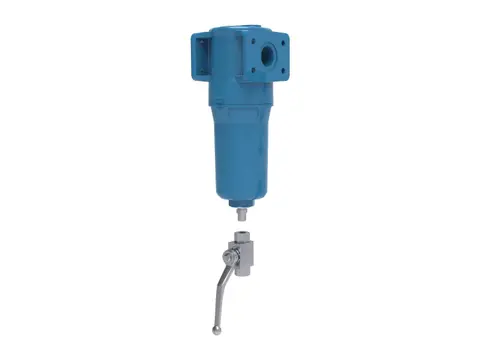
High Pressure Filters
Certified air purity for your high-pressure lines, up to 350 bar g.
View product -
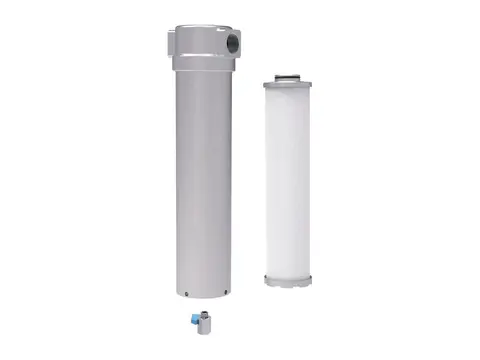
Ammonia and Refrigerant Filters
Keeps compressor oil out of your condensers and evaporators.
View product -
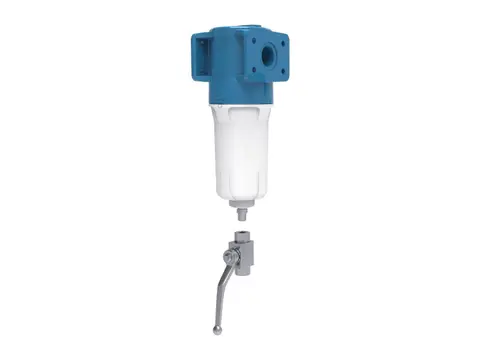
Oxygen Filters
Particle-free oxygen for your system, without adding an ignition source.
View product -
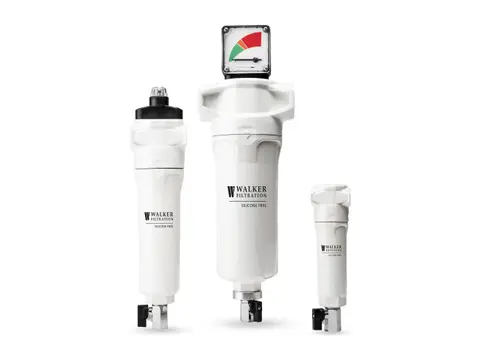
Silicone-Free Filters
Crater-free paint finishes, from air free of paint-wetting contaminants.
View product -
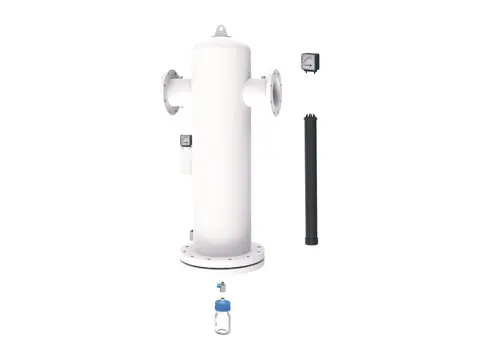
Medical Vacuum Filters
Keeps pathogens from hospital suction away from your pumps and exhaust.
View product -
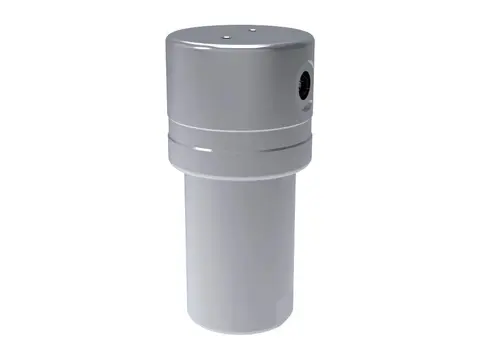
Hydrogen Filters
Particle, aerosol and oil-free hydrogen, from electrolyser to dispenser.
View product -
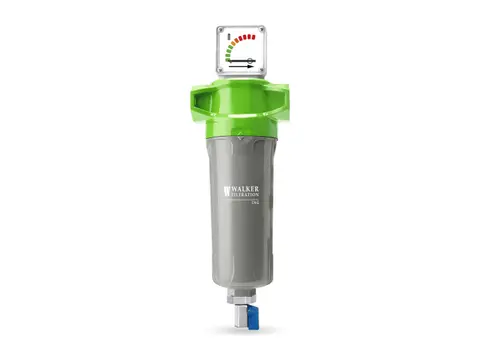
CNG Filters
Oil-free, particle-free natural gas from your compressor to the vehicle.
View product
-
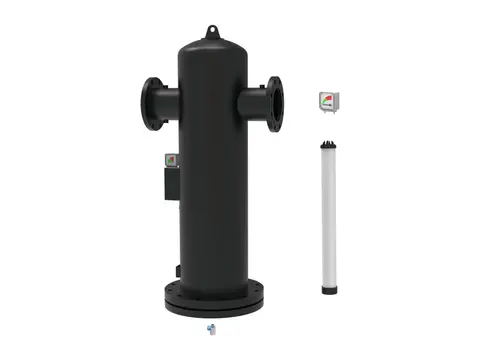
Centrifugal Moisture Separators
Bulk liquid out of your air by centrifugal force, with no element to replace.
View product -
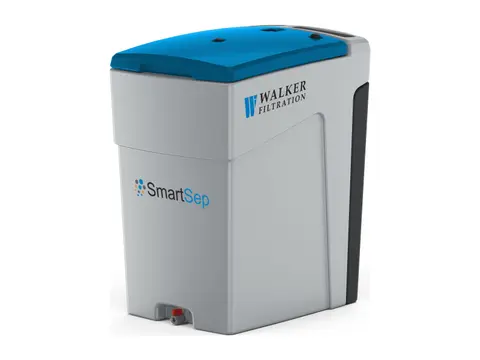
Oil Water Separator
Turns oily compressor condensate into water fit for sewer discharge.
View product -
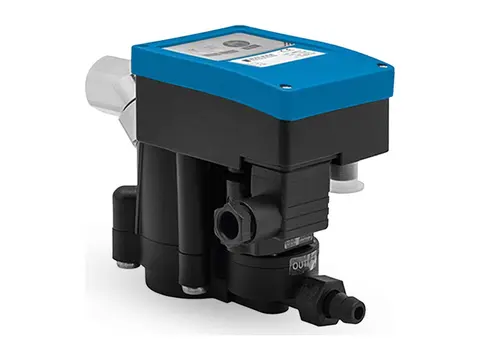
Zero-Loss Electronic Drain
Discharges every drop of condensate from your system, never your compressed air.
View product -
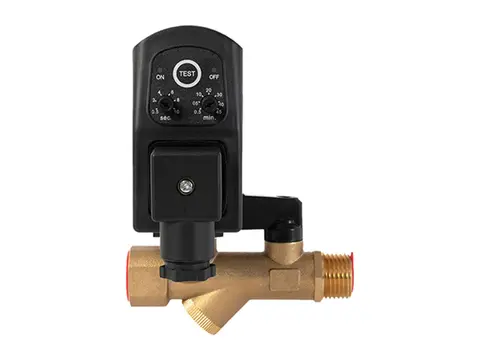
Timer Drain
Scheduled, positive condensate discharge from any collection point in your system.
View product -
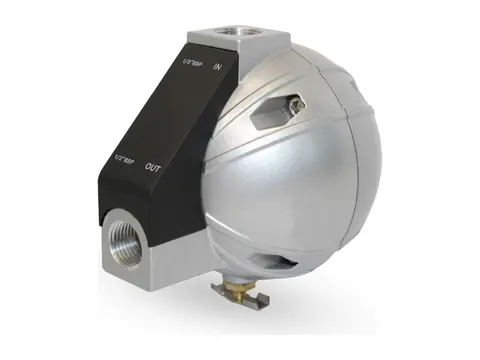
Mechanical Float Drain
Buoyancy-driven condensate removal with no power and no air loss.
View product -
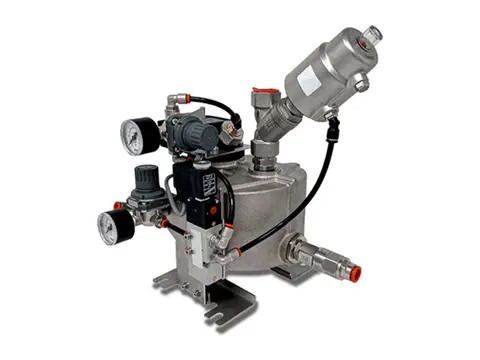
Vacuum Drain
Empties liquid from your vacuum system without breaking the vacuum.
View product
-
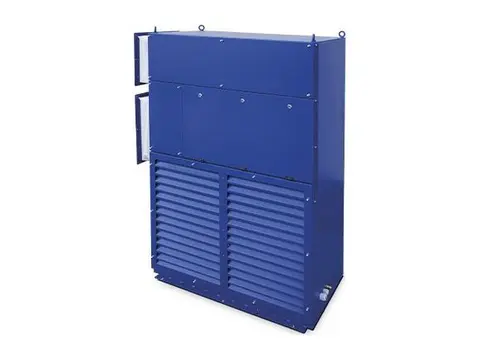
Crane Air Conditioner
Cool, clean cabins and electrical rooms for cranes working in extreme heat.
View product -
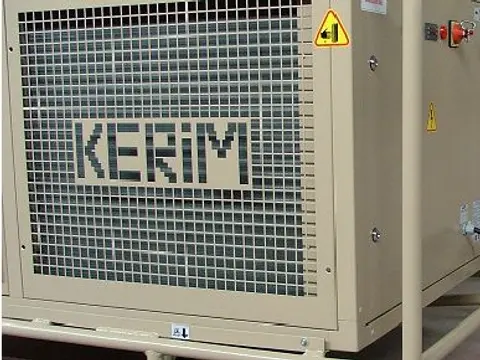
Tent Air Conditioner
Controlled climate for your tents, shelters and temporary structures.
View product -
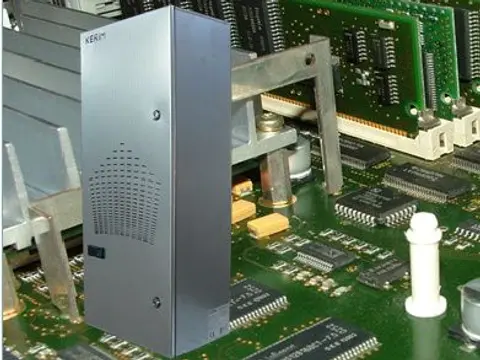
Panel Air Conditioner
Cool, clean, dry control panels, even in your hottest, dirtiest plant areas.
View product -
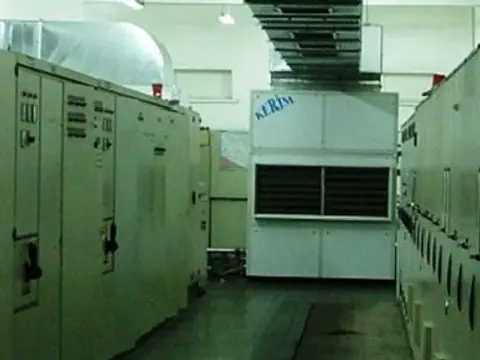
Air / Water Cooled Air Conditioner
Stable room temperatures for your electrical rooms in extreme plant heat.
View product
-
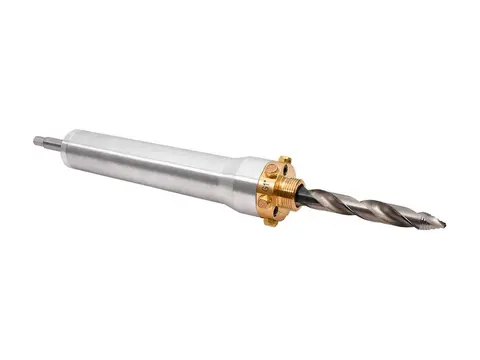
Hot Tapping
Add measurement ports to your live air lines without stopping production.
View product -
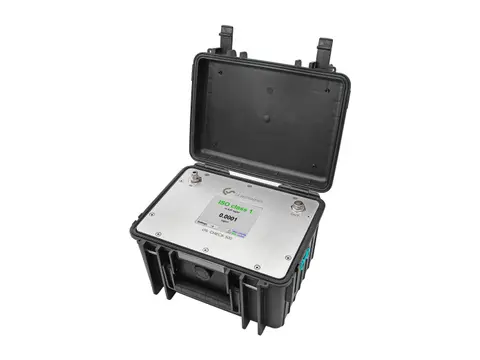
Compressed Air Quality Measurement
Prove your air's ISO 8573-1 purity: particles, oil and dew point.
View product -
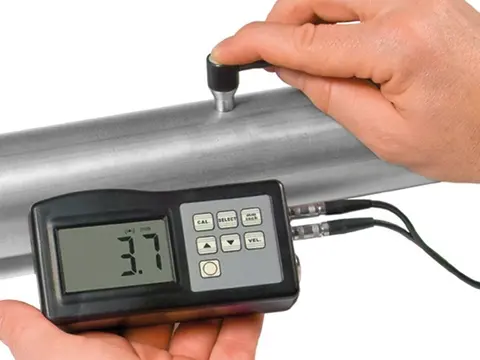
Digital Thickness Meter
Measure the metal left in your receivers and pipework, from the outside.
View product -
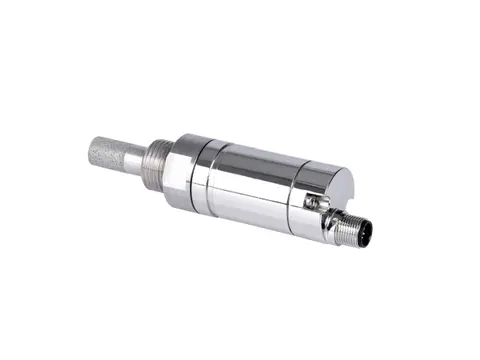
Dew Point Meter
Proof your air is dry, measured at line pressure.
View product -
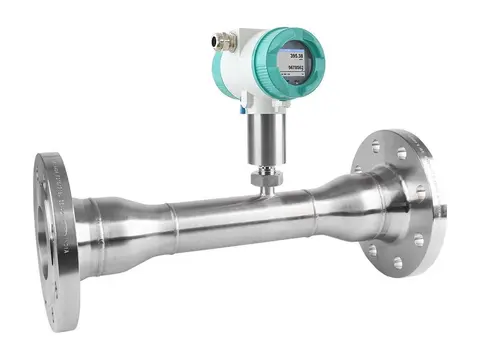
Flow Meter
True standard flow of your compressed air, whatever the line pressure.
View product -
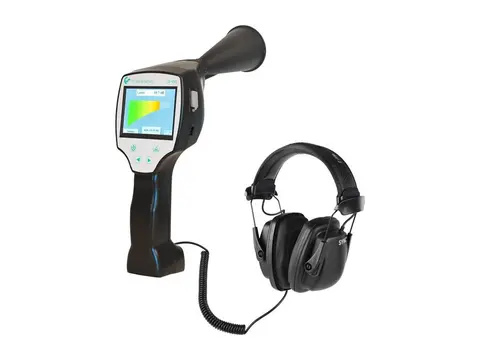
Leak Detector
Hear, locate and cost every compressed air leak in your plant.
View product -
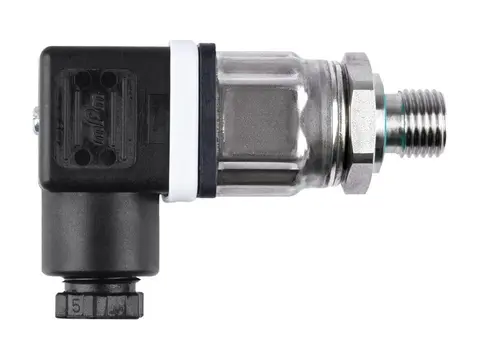
Pressure Sensor
Live pressure data from your compressor room to every point of use.
View product -
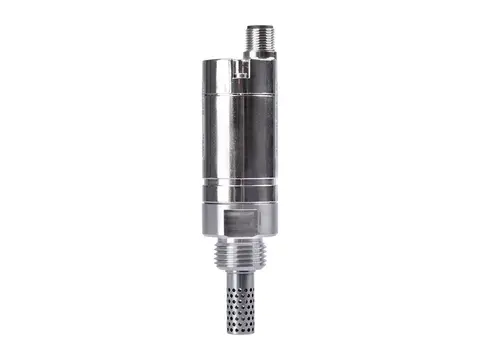
Humidity Meter
Humidity, temperature and dew point from one probe.
View product -
Power Meter
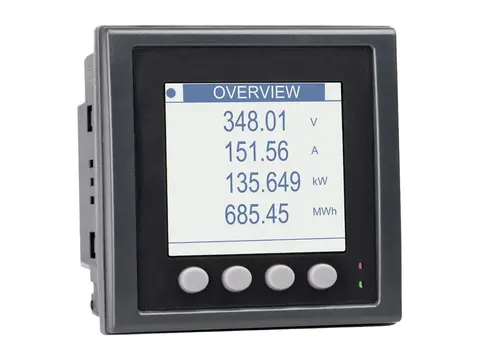
Measure the true power, energy and efficiency of your compressors.
View product
-
Health Testing of Compressed Air & Gas Dryers
Measured proof your dryer delivers its rated dew point.
View service -
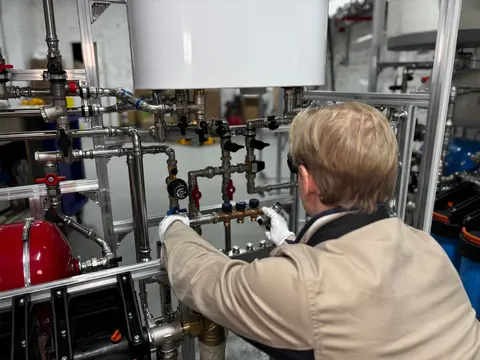
Commissioning and Service of Compressed Air & Gas Dryers
Verified dew point from first start-up through your dryer's service life.
View service -
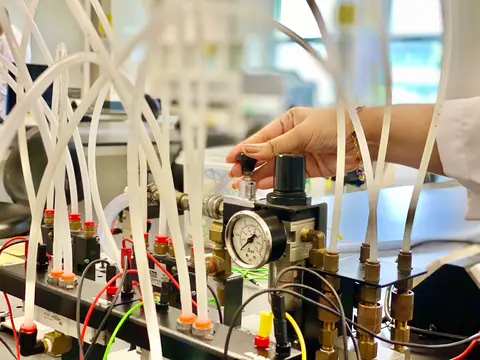
Compressed Air Quality Testing
Measured, documented proof of your compressed air purity class.
View service -
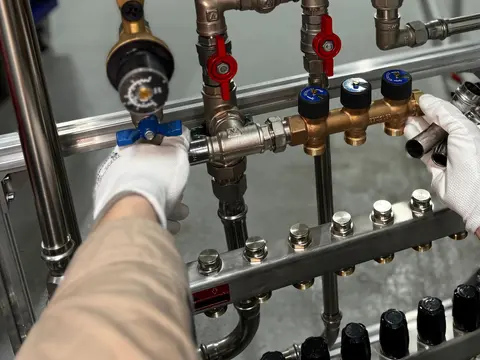
Dew Point Measurement Testing
Verified pressure dew point at the points that matter in your network.
View service -
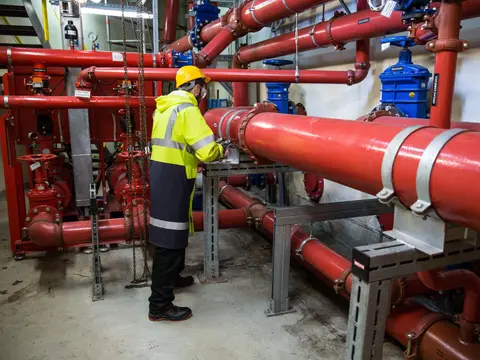
Compressed Air Flow Testing
Measured air demand, leakage and cost for your plant, not estimates.
View service -
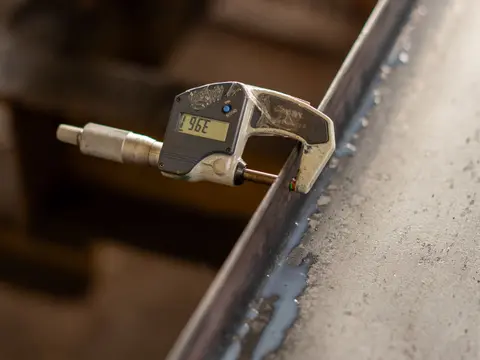
Wall Thickness Testing
Know the remaining wall, corrosion rate and safe life of your equipment.
View service -
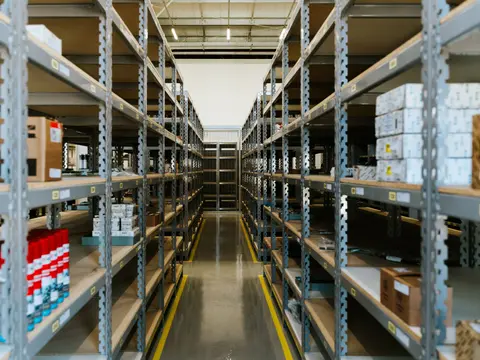
Sourcing
Spares, consumables and whole systems for your plant, sourced globally.
View service
