

Dehumidifiers
Adsorption Dehumidifier
Bone-dry air for your rooms, stores and processes, even below freezing.
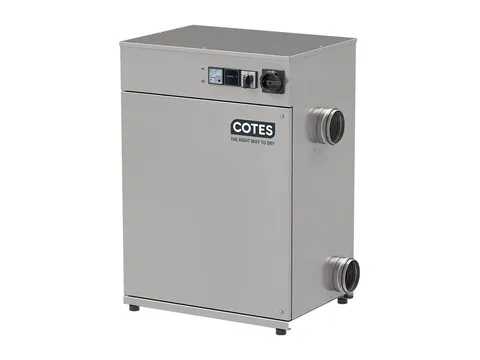
Product overview
Dry air at any temperature, right down to sub-zero dew points
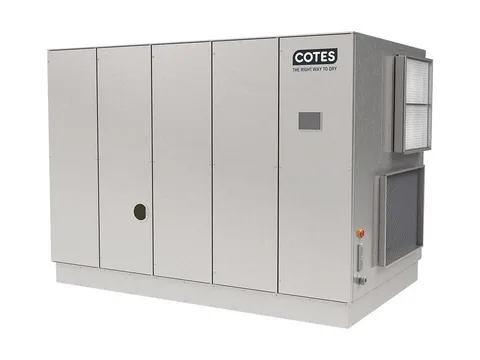
Our adsorption dehumidifier dries air by passing it through a slowly rotating desiccant rotor, a honeycomb of thousands of small channels holding silica gel, with molecular sieve added where very low dew points are needed. The desiccant attracts water molecules straight from the vapour, so your air is dried without being cooled and without liquid water forming inside the unit.
About three quarters of the rotor face dries your process air while the remaining quarter is regenerated by air heated, commonly, to 100–140 °C. The wheel turns continuously, so the dry air never stops, and the collected water leaves outdoors as humid exhaust.
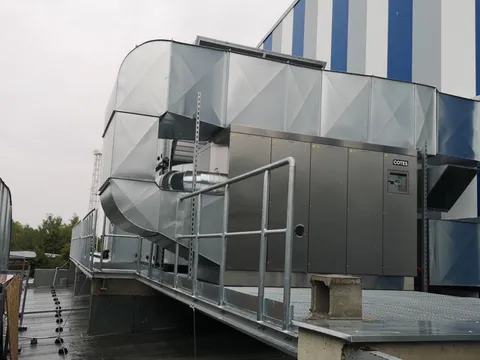
Because adsorption responds to relative humidity rather than to the amount of water in the air, it keeps drying at 0 °C and below, and it does not frost up. It treats the air of a room, a store, a production enclosure, a ship's hold or a process, as a standalone unit or built into your air-handling system.
- −20 °C to −40 °CTypical outlet dew points
- 0 °C and belowKeeps drying, with no frost build-up
- 100–140 °CReactivation air, commonly
- About 8.7 kg/hWater taken from 1,000 m³/h dried to −40 °C
Benefits
The problems it solves
Air always carries water, and people, wet processes and open doors add more. Here is what that moisture does, and how the dehumidifier stops it.
-
Processes that need very dry air
The problem
Dry rooms and moisture-reactive products need a relative humidity of a few percent at room temperature, or dew points well below 0 °C.
How it solves it
The rotor delivers dew points of −20 °C to −40 °C, and lower with pre-cooling and a purge sector, and holds them indefinitely.
-
Frost in cold stores
The problem
In a freezer store at −25 °C, humid air entering through doors deposits frost on floors, evaporators and packaging.
How it solves it
Air dried to a dew point below −25 °C stops that deposition, and the dehumidifier keeps drying below 0 °C without frosting up.
-
Sweating surfaces
The problem
In air at 20 °C and 50 % RH, a chilled pipe at 6 °C, a cold steel beam or a product from cold storage sweats and drips.
How it solves it
Any surface warmer than the air's dew point stays dry, so your pipes, products and moulds stay free of condensation.
-
Caking and sticky products
The problem
Sugar, salt, milk powder and fertilisers cake, gelatin capsules soften and hard candy becomes sticky.
How it solves it
Low relative humidity stops caking, clumping and softening in the products you make and store.
-
Corrosion and mould
The problem
Blasted steel flash-rusts within hours in humid air, and mould attacks paper, timber, textiles and stored grain.
How it solves it
Keeping humidity low stops corrosion, mould, caking, frost and condensation on your products and assets.
-
Heat going to waste
The problem
Steam, hot water, condenser heat and process waste heat are often rejected unused.
How it solves it
Reactivation can run on electricity, steam, hot water, gas or recovered waste heat, turning your surplus energy into drying capacity.
Where it’s used
Wherever moisture spoils what you make or store
From pharmaceutical suites to ships' holds, dry air protects products, processes and assets.
-

Pharmaceuticals
Dry air protects hygroscopic powders during granulation, tabletting, capsule filling and blister packing.
-

Food and confectionery
Keeps hard candy and chewing gum from becoming sticky, milk powder, sugar and spices free-flowing, and chocolate free of condensation.
-

Plastics
Dry air around injection moulds running with chilled water prevents condensation that marks parts.
-

Surface preparation and coating
Keeps blasted steel inside tanks, ship blocks and pipelines free of flash rust until coating.
-

Marine and defence
Ships' holds, laid-up vessels, aircraft and stored equipment preserved in dry air.
-

Power generation
Generators, turbines and boilers kept dry during shutdowns and lay-up.
Also lithium-ion battery dry rooms, cold stores and freezer tunnels, water and wastewater pumping stations, electronics storage to J-STD-033, bridge girders, cables and wind turbines, archives, museums and seed banks, and ice rinks.
How it works
Adsorb, turn, regenerate
A slowly turning desiccant wheel dries your air in one sector and is dried out itself by hot air in the other.
-
1. AdsorbFiltered process air enters the rotor's channels and meets desiccant that has just come out of regeneration. Water vapour is adsorbed on the channel walls, and the air leaves drier and warmer: dried from 7.3 g/kg to a −20 °C dew point, it warms by at least 16 K.
-
2. LoadThe slow drive turns the wheel at between about 6 and 20 revolutions per hour. Each segment spends about three quarters of a revolution in the process sector, and its water content rises as it goes.
-
3. Heat and releaseThe segment crosses the seal into the reactivation sector. Reactivation air, filtered and heated commonly to 100–140 °C, flows through it the opposite way, heats the desiccant and drives the water back out.
-
4. ExhaustThe reactivation fan draws the warm, humid air out and discharges it outdoors. It leaves at about 27 g/kg, with a dew point near 30 °C.
-
5. Cool and repeatThe hot, dry segment turns back into the process sector, where the incoming process air cools it, ready to adsorb again. Every segment runs through the cycle once per revolution, so the dry air flows without interruption.
Worked example: process air at 20 °C and 7.3 g/kg dried to a −20 °C dew point, with reactivation flow at one third of process flow.
Get the full details
Our brochure covers it in detail, and our questionnaire tells us what we need to recommend the right one for your plant.
Keep exploring
More from our range
Equipment for every stage of your compressed air, and our own engineers to test, commission and look after it.
-
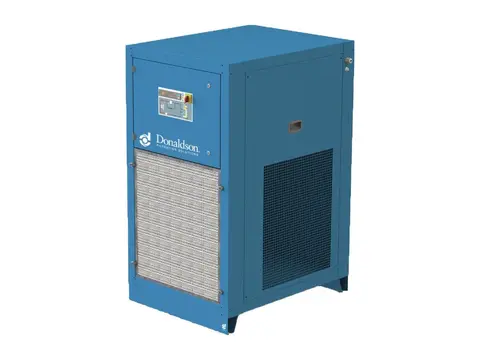
Refrigerated Air Dryers
Dry, condensate-free air for your plant, with no compressed air spent drying.
View product -
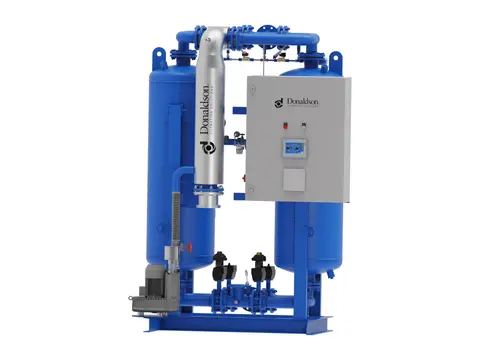
Heated Desiccant Dryers
Deep, stable dew points for your air, with heat doing the regeneration.
View product -
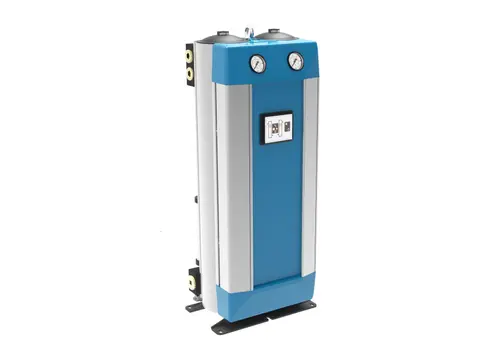
Heatless Desiccant Dryers
Deep dew points without heaters, for hazardous areas and remote sites.
View product -
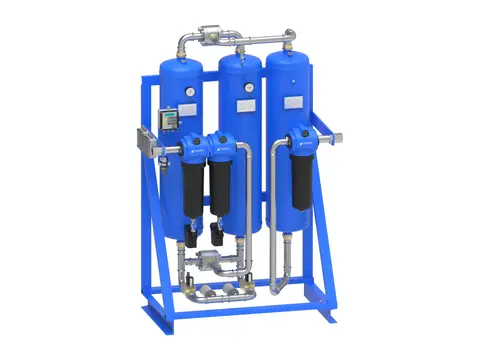
Breathing Air Systems
Your plant’s compressed air, made safe to breathe.
View product -
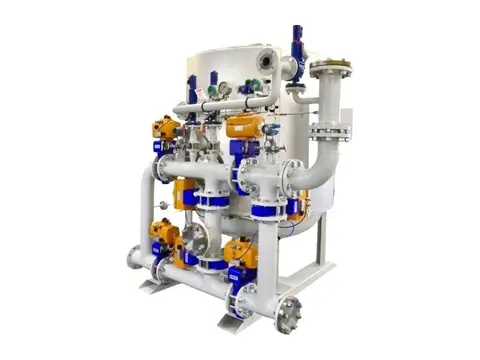
Hydrogen Dryers & De-Oxo Units
Electrolytic hydrogen purified of oxygen and water, ready for fuel cells.
View product -
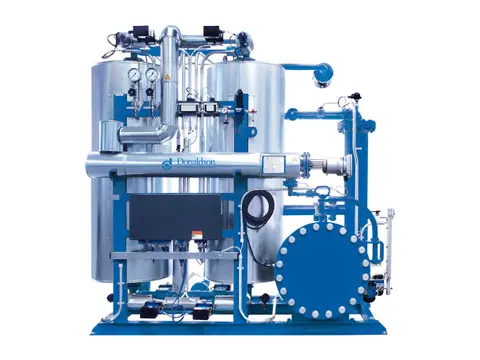
Biogas & Natural Gas Dryers
Dry, condensate-free fuel gas for your engines, boilers and upgrading plant.
View product -
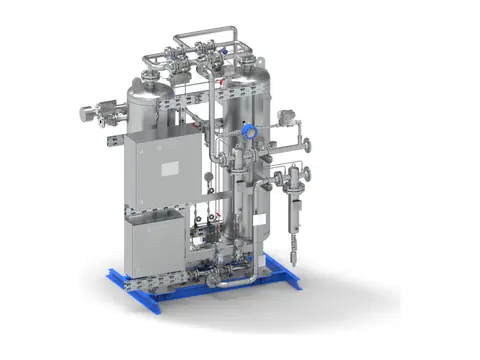
CO₂ Dryers
Beverage-grade dry CO₂ for your recovery plant, with no gas vented.
View product -
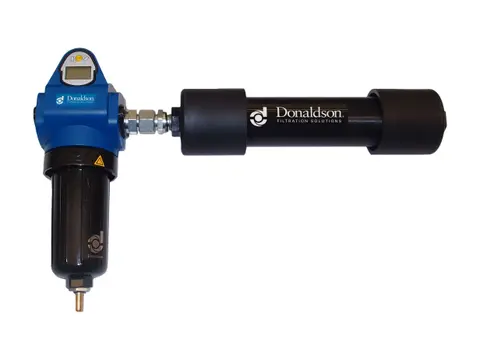
Membrane Dryers
Dry air at the point of use, with no power and no moving parts.
View product
-
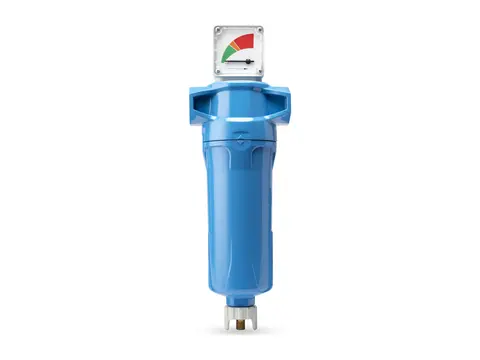
Coalescing Filters
Takes oil and water aerosols out of your air, down to 0.01 mg/m³.
View product -
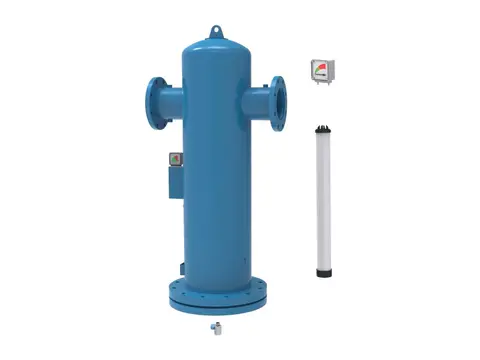
Particulate Filters
Dry, dust-free air for your plant, down to 0.01 µm particles.
View product -
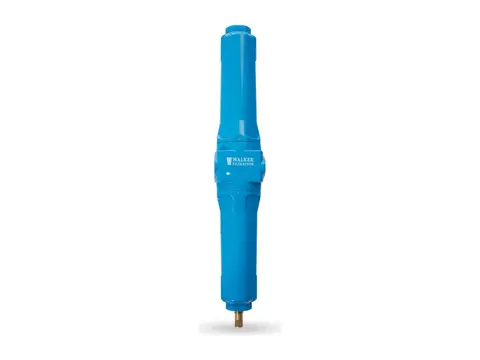
Compressed Air Duplex Filters
Change filter elements without interrupting your air supply.
View product -
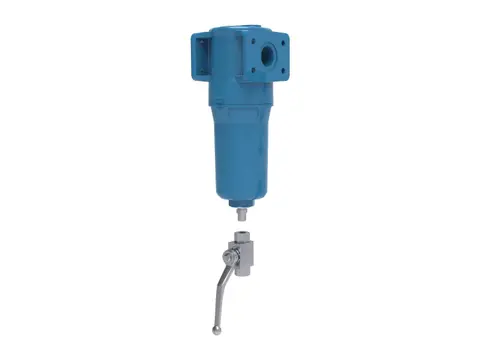
High Pressure Filters
Certified air purity for your high-pressure lines, up to 350 bar g.
View product -
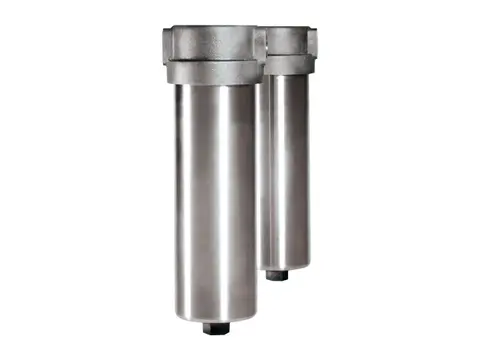
High Temperature Filters
Particle-free compressed air and gas where your process runs hot.
View product -
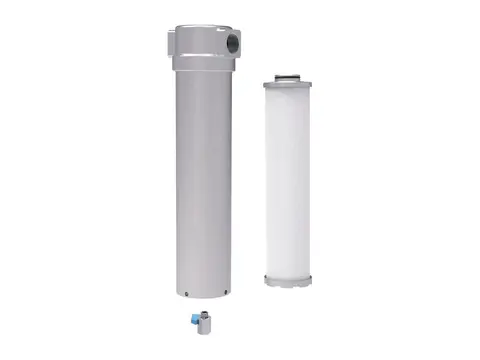
Ammonia and Refrigerant Filters
Keeps compressor oil out of your condensers and evaporators.
View product -
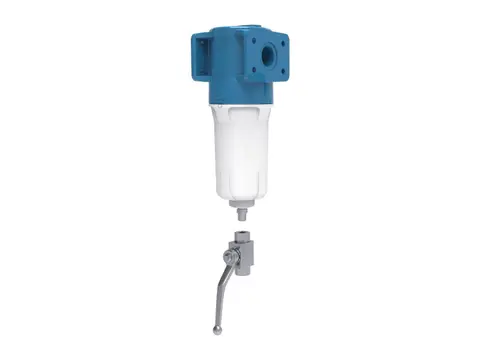
Oxygen Filters
Particle-free oxygen for your system, without adding an ignition source.
View product -
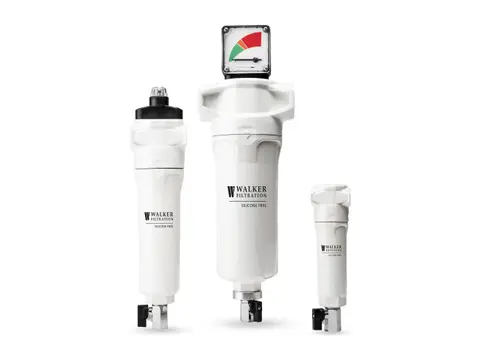
Silicone-Free Filters
Crater-free paint finishes, from air free of paint-wetting contaminants.
View product -
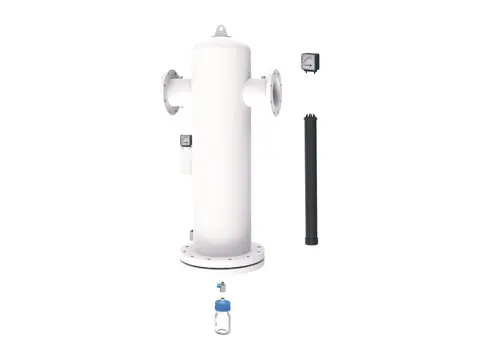
Medical Vacuum Filters
Keeps pathogens from hospital suction away from your pumps and exhaust.
View product -
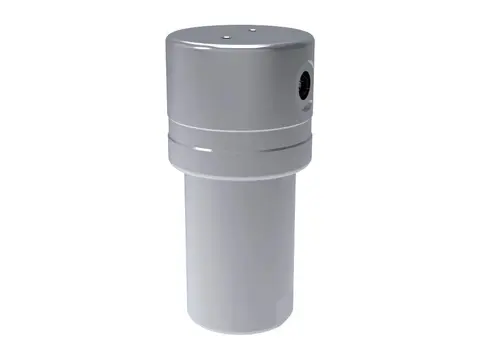
Hydrogen Filters
Particle, aerosol and oil-free hydrogen, from electrolyser to dispenser.
View product -
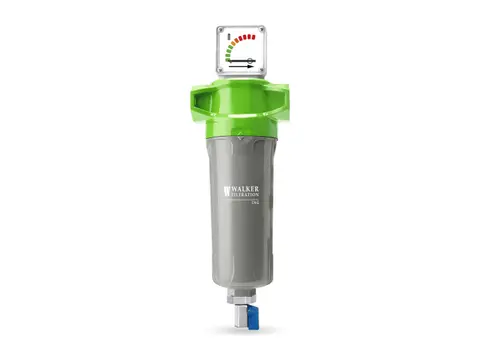
CNG Filters
Oil-free, particle-free natural gas from your compressor to the vehicle.
View product
-
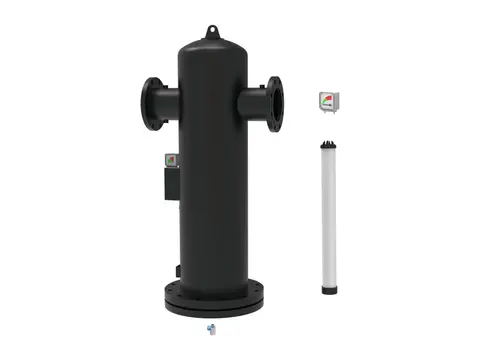
Centrifugal Moisture Separators
Bulk liquid out of your air by centrifugal force, with no element to replace.
View product -
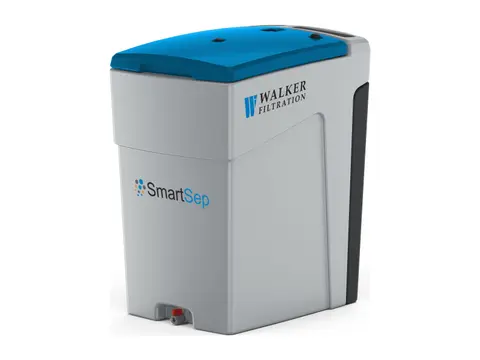
Oil Water Separator
Turns oily compressor condensate into water fit for sewer discharge.
View product -
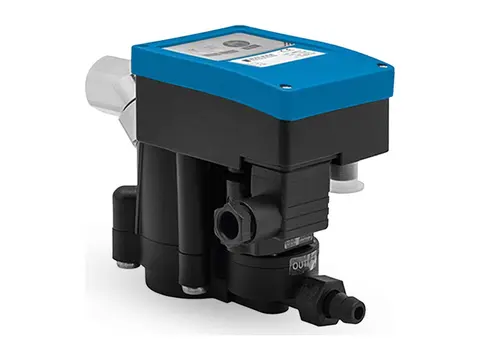
Zero-Loss Electronic Drain
Discharges every drop of condensate from your system, never your compressed air.
View product -
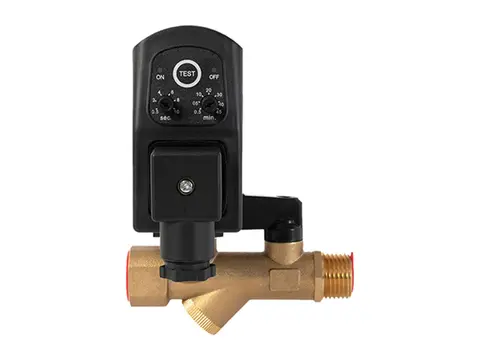
Timer Drain
Scheduled, positive condensate discharge from any collection point in your system.
View product -
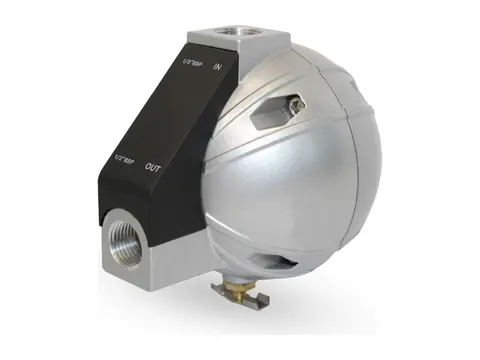
Mechanical Float Drain
Buoyancy-driven condensate removal with no power and no air loss.
View product -
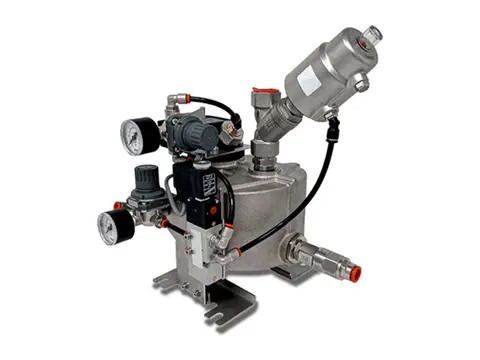
Vacuum Drain
Empties liquid from your vacuum system without breaking the vacuum.
View product
-
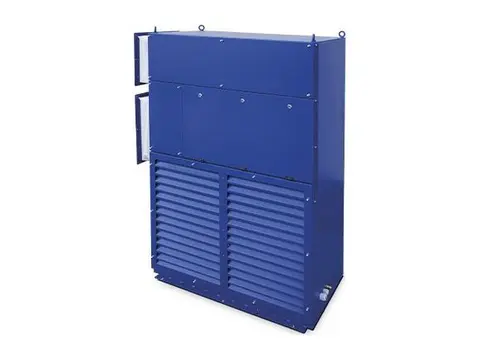
Crane Air Conditioner
Cool, clean cabins and electrical rooms for cranes working in extreme heat.
View product -
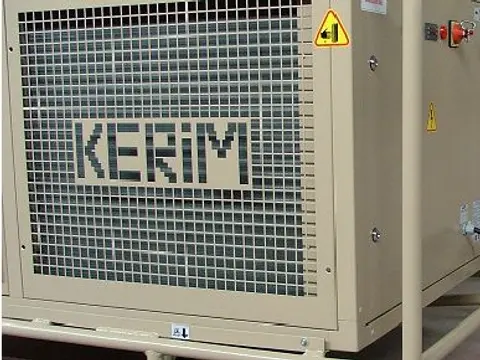
Tent Air Conditioner
Controlled climate for your tents, shelters and temporary structures.
View product -
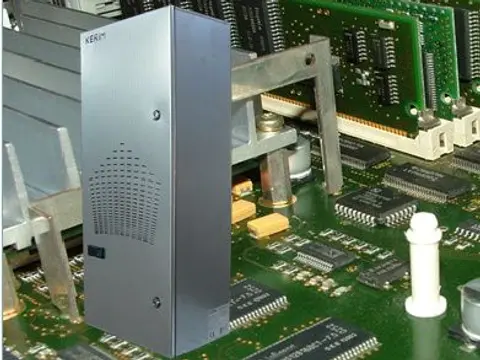
Panel Air Conditioner
Cool, clean, dry control panels, even in your hottest, dirtiest plant areas.
View product -
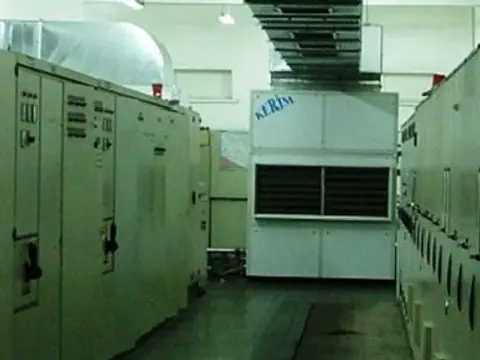
Air / Water Cooled Air Conditioner
Stable room temperatures for your electrical rooms in extreme plant heat.
View product
-
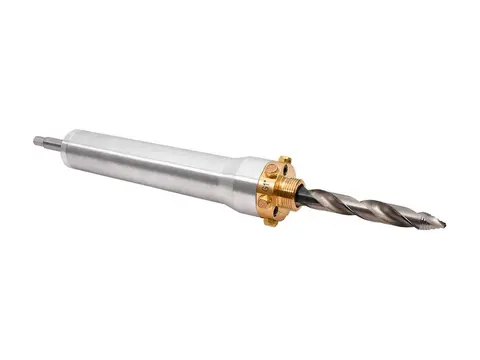
Hot Tapping
Add measurement ports to your live air lines without stopping production.
View product -
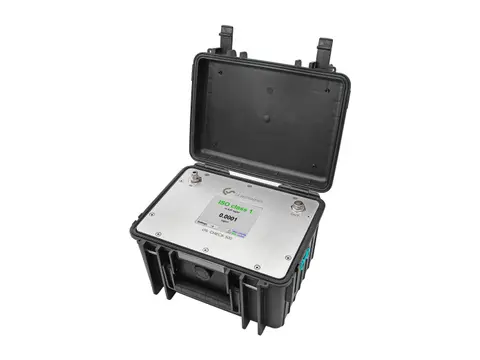
Compressed Air Quality Measurement
Prove your air's ISO 8573-1 purity: particles, oil and dew point.
View product -
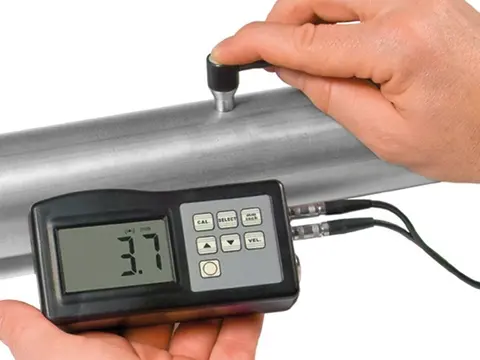
Digital Thickness Meter
Measure the metal left in your receivers and pipework, from the outside.
View product -
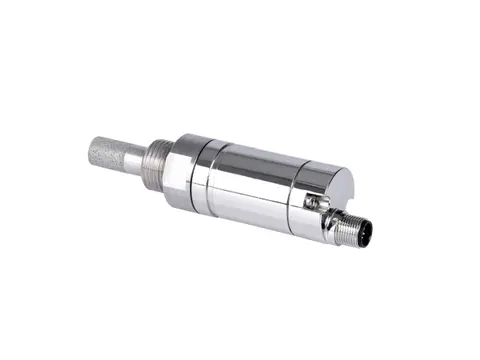
Dew Point Meter
Proof your air is dry, measured at line pressure.
View product -
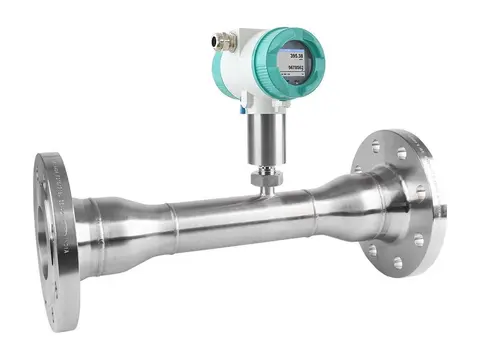
Flow Meter
True standard flow of your compressed air, whatever the line pressure.
View product -

Leak Detector
Hear, locate and cost every compressed air leak in your plant.
View product -
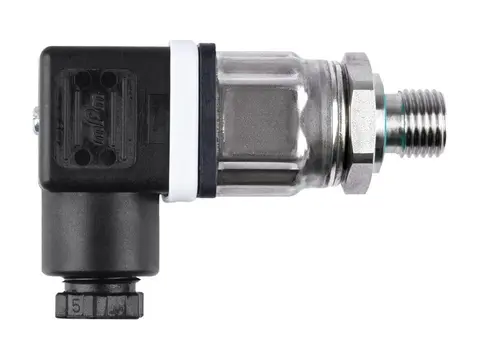
Pressure Sensor
Live pressure data from your compressor room to every point of use.
View product -
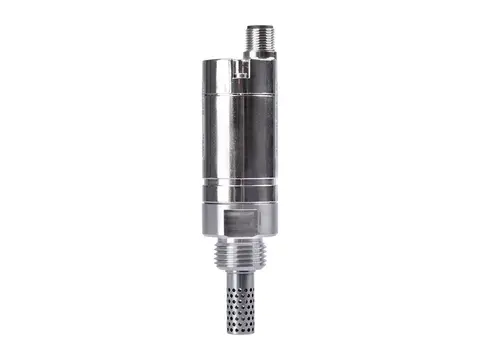
Humidity Meter
Humidity, temperature and dew point from one probe.
View product -
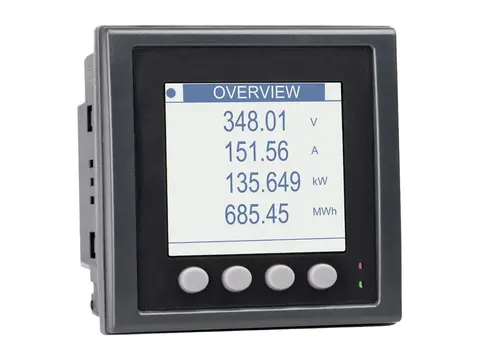
Power Meter
Measure the true power, energy and efficiency of your compressors.
View product
-
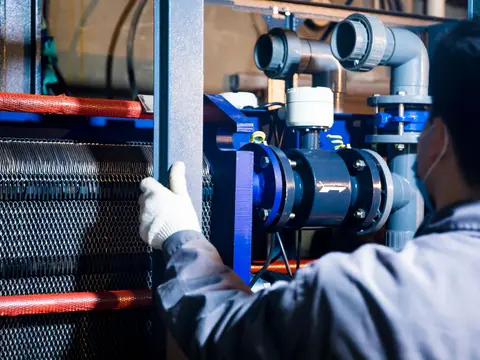
Health Testing of Compressed Air & Gas Dryers
Measured proof your dryer delivers its rated dew point.
View service -
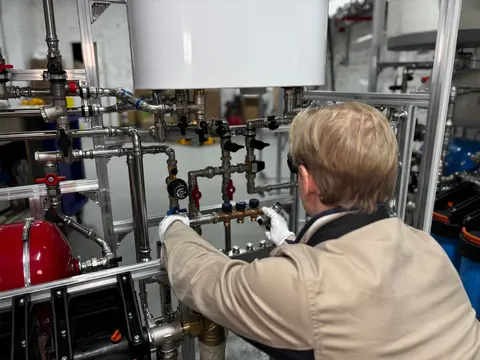
Commissioning and Service of Compressed Air & Gas Dryers
Verified dew point from first start-up through your dryer's service life.
View service -
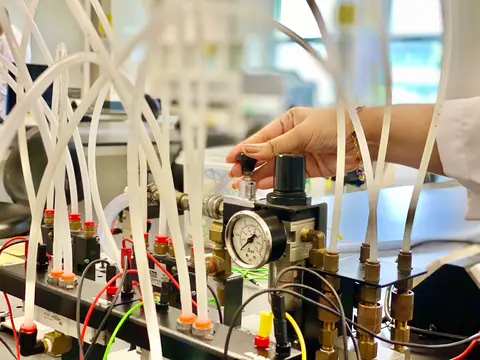
Compressed Air Quality Testing
Measured, documented proof of your compressed air purity class.
View service -
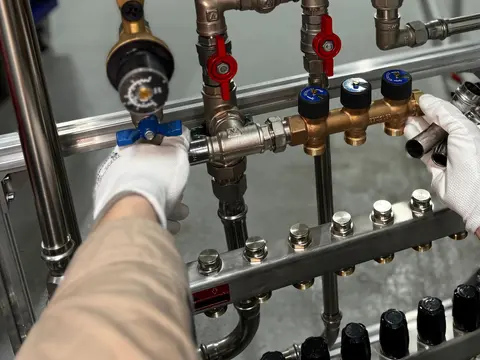
Dew Point Measurement Testing
Verified pressure dew point at the points that matter in your network.
View service -
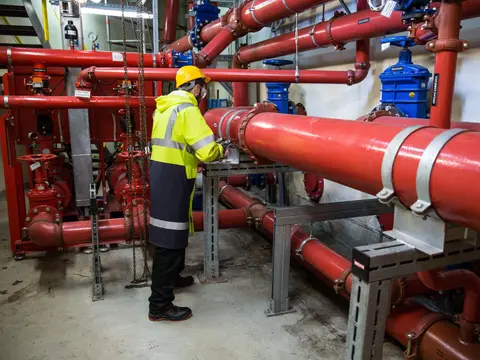
Compressed Air Flow Testing
Measured air demand, leakage and cost for your plant, not estimates.
View service -
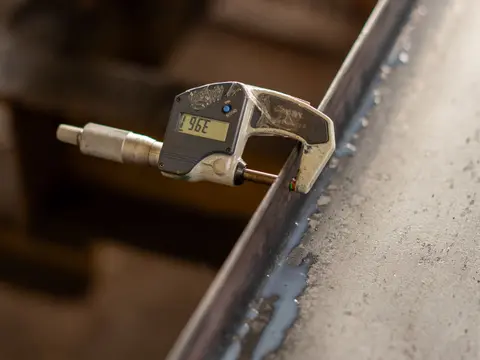
Wall Thickness Testing
Know the remaining wall, corrosion rate and safe life of your equipment.
View service -

Sourcing
Spares, consumables and whole systems for your plant, sourced globally.
View service
