
Compressed Air & Gas Filters
CNG Filter
Oil-free, particle-free gas from your compressor to every vehicle you fill, at full station pressure.
Product overview
Clean gas at every stage of your CNG station
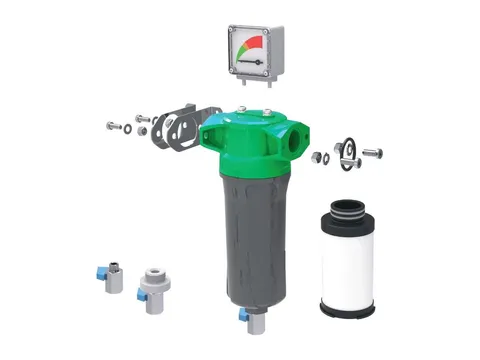
Lubricated reciprocating compressors inject oil into their cylinders and packings, and part of it leaves the final stage as vapour. As the gas cools in the aftercooler, that vapour condenses into sub-micron droplets that no gravity separator can settle out. Our CNG filter captures them in a bed of fine fibres, merges them into drops heavy enough to drain, and collects the liquid for removal.
It stops solids too: rust, mill scale and black powder from steel pipelines, wear debris and ring fragments from compressors, and weld spatter from new pipework. Filters at your station inlet, compressor discharge and dispenser each handle what enters their section of the station.
The filter works at the full working pressure of your station, typically 200–300 bar on the discharge side, and serves online, mother and daughter stations as well as compressed biomethane (bio-CNG) plants.
- 200–300 barTypical discharge-side working pressure
- About 293Standard m³ of methane in one actual m³ at 250 bar
- Below 1 µmSize of most compressor oil droplets
- 12 monthsLongest interval between coalescing element changes
Benefits
The problems it solves
Gas that has passed a lubricated compressor or a long steel pipeline carries oil and solids to small orifices and precision seats. Here is what they do, and how the filters stop them.
-
Unsteady vehicle regulators
The problem
Oil collects on the vehicle regulator seat and diaphragm, the coldest point in the fuel system, and alters the regulated pressure.
How it solves it
Oil-free gas keeps regulated pressure and injector delivery stable, preserving engine performance and your customers' confidence in the station.
-
Oil slugs from storage
The problem
Oil that reaches the cascade collects there and is later dispensed into vehicles in slugs.
How it solves it
The discharge filter captures oil before storage, so your cascades stay clean.
-
Worn compressors
The problem
Pipeline solids erode compressor valve plates and score cylinder liners.
How it solves it
The inlet filter keeps suction gas clean, lengthening the interval between your compressor overhauls.
-
Leaking valve seats
The problem
A particle trapped under a valve seat at 250 bar vents gas into a hazardous area and lets stored gas bypass the priority sequence.
How it solves it
Particle-free gas keeps high-pressure seats tight, cutting venting losses and gas detector alarms.
-
Inaccurate billing
The problem
Deposits in meter tubes affect the quantity of gas billed at the dispenser.
How it solves it
Clean gas at the dispenser inlet keeps your meter accurate and protects its valves and breakaway coupling.
-
Hidden compressor wear
The problem
Rising oil carry-over from worn rings or an over-set lubricator goes unnoticed until vehicle regulators start to fail.
How it solves it
The volume you drain from the filter sump is a record of carry-over, an early sign of compressor wear.
Where it’s used
From the station to the vehicle, and beyond
Wherever natural gas is compressed, stored in cascades and let down again, the filters protect the regulators, meters, injectors and burners downstream.
-

Vehicles and fleets
Bus and fleet depots filling CNG vehicles, and workshops filling and testing vehicle CNG systems after fitment or inspection.
-
Glass and ceramics
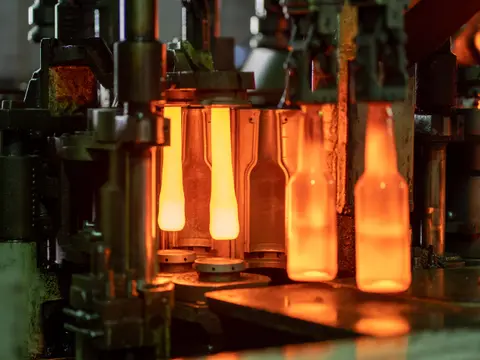
Plants receiving CNG in cascades by virtual pipeline and reducing its pressure for burners.
-
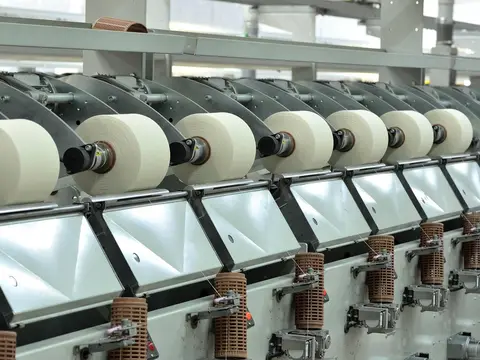
Textiles
Textile plants supplied with CNG in cascades, away from a pipeline.
-
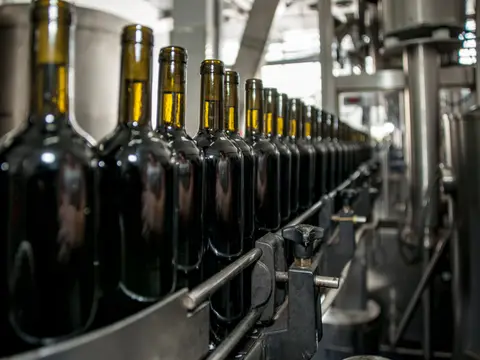
Food processing
Food plants burning cascade-supplied CNG at a reduced, controlled pressure.
-
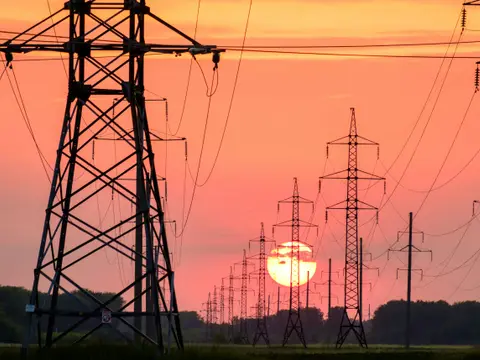
Gas engines and generator sets
Sites where engines run on CNG supplied from on-site storage.
-

Marine and rail
Vessels and locomotives with natural gas fuel systems filled from high-pressure storage.
Also city gas distribution stations, mobile cascade filling, bio-CNG and biomethane plants, compressor packages, engine and emissions test cells, and gas utilities running temporary cascade supply.
How it works
Stop, coalesce, drain, protect
Each filter handles the contaminants formed or picked up in its own section of the station, from pipeline to dispenser.
-
1. Inlet filterAt supply pressure, the inlet filter stops pipeline dust, rust and black powder before they erode the compressor's valves, score its liners or foul the dryer's desiccant.
-
2. Capture the oilAfter the aftercooler has turned the oil vapour into droplets, the discharge filter passes the gas from the core of its element outward through fine glass microfibres, which capture droplets by impaction, interception and diffusion.
-
3. Coalesce and drainCaptured droplets merge into drops that drain down the outer face into the sump. The drain leads to a closed vessel, so gas flashing off the oil vents to a safe location and the oil is kept for disposal.
-
4. Dispenser filterAt the dispenser inlet, a final filter stops particles picked up in storage vessels and high-pressure pipework, protecting the meter, dispenser valves and breakaway coupling on the way to the vehicle.
-
5. Watch the loadingThe differential pressure gauge shows how loaded the element is. Once it is wetted, a further rise means solids, not liquid, and together with the volume drained it tells you the condition of both filter and compressor.
At a station delivering 1,000 Sm³/h, about 3.4 m³/h of actual gas passes a discharge filter at 250 bar.
Get the full details
Our brochure covers it in detail, and our questionnaire tells us what we need to recommend the right one for your plant.
Keep exploring
More from our range
Equipment for every stage of your compressed air, and our own engineers to test, commission and look after it.
-
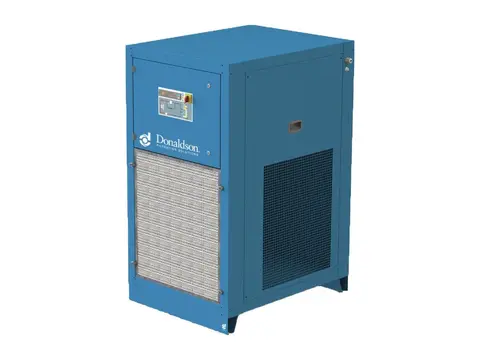
Refrigerated Air Dryers
Dry, condensate-free air for your plant, with no compressed air spent drying.
View product -
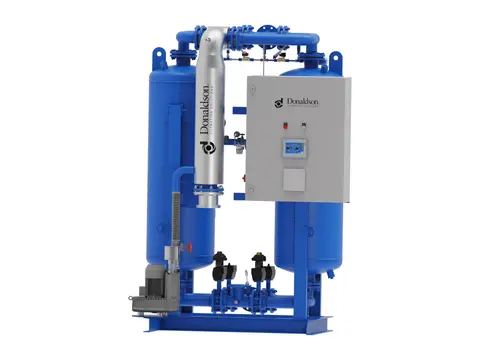
Heated Desiccant Dryers
Deep, stable dew points for your air, with heat doing the regeneration.
View product -
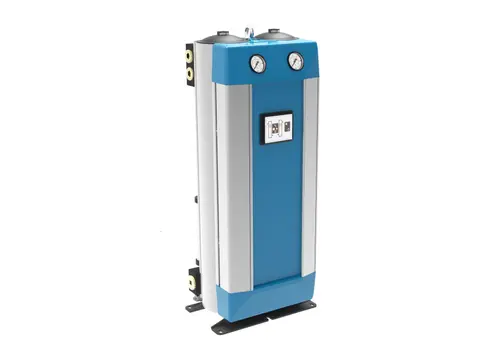
Heatless Desiccant Dryers
Deep dew points without heaters, for hazardous areas and remote sites.
View product -
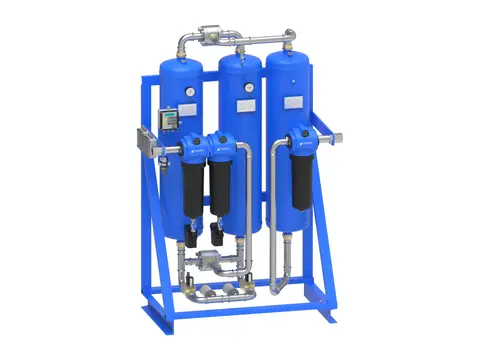
Breathing Air Systems
Your plant’s compressed air, made safe to breathe.
View product -
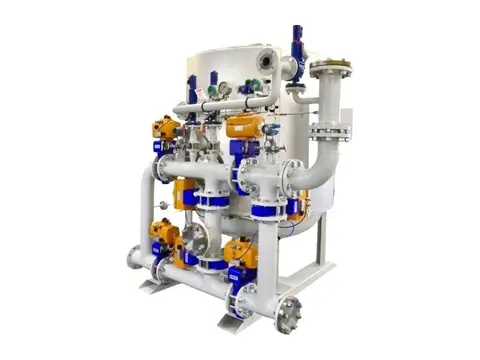
Hydrogen Dryers & De-Oxo Units
Electrolytic hydrogen purified of oxygen and water, ready for fuel cells.
View product -
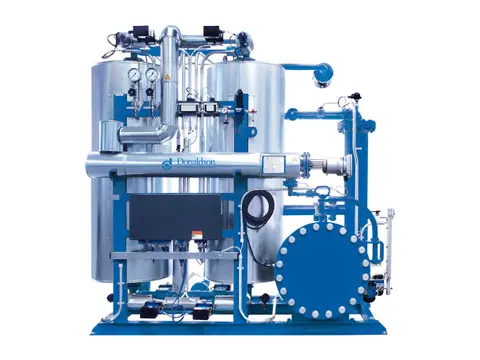
Biogas & Natural Gas Dryers
Dry, condensate-free fuel gas for your engines, boilers and upgrading plant.
View product -
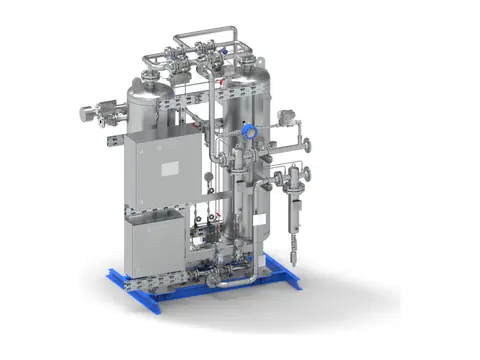
CO₂ Dryers
Beverage-grade dry CO₂ for your recovery plant, with no gas vented.
View product -
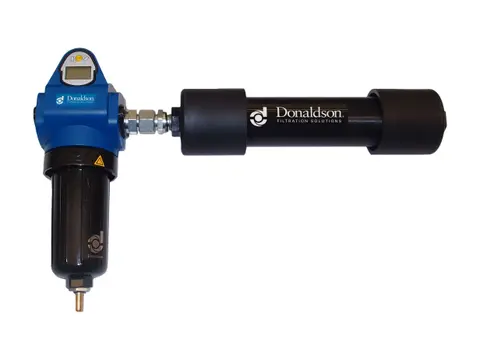
Membrane Dryers
Dry air at the point of use, with no power and no moving parts.
View product
-
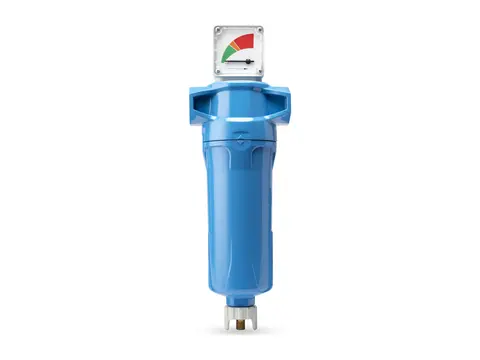
Coalescing Filters
Takes oil and water aerosols out of your air, down to 0.01 mg/m³.
View product -
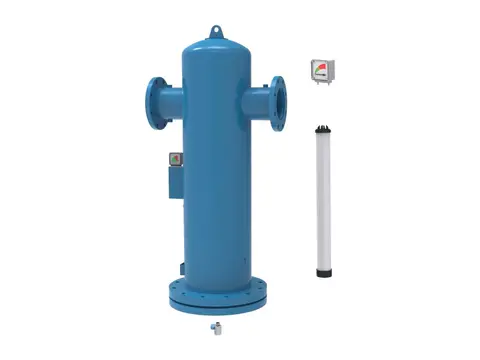
Particulate Filters
Dry, dust-free air for your plant, down to 0.01 µm particles.
View product -
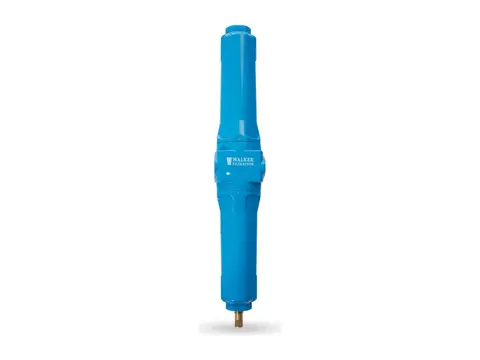
Compressed Air Duplex Filters
Change filter elements without interrupting your air supply.
View product -
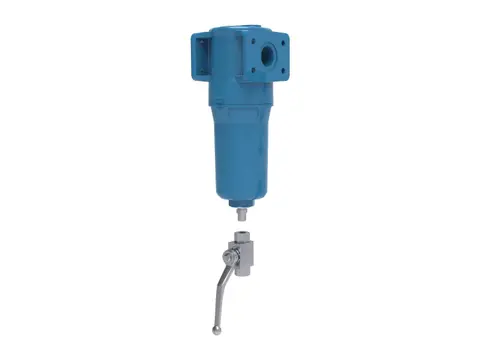
High Pressure Filters
Certified air purity for your high-pressure lines, up to 350 bar g.
View product -
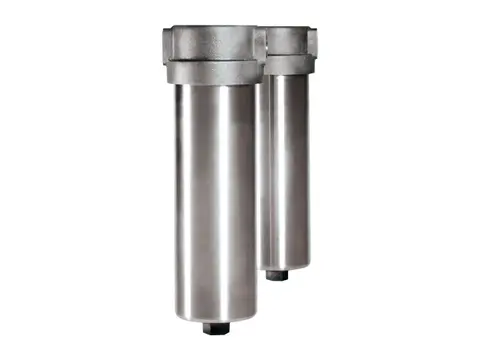
High Temperature Filters
Particle-free compressed air and gas where your process runs hot.
View product -
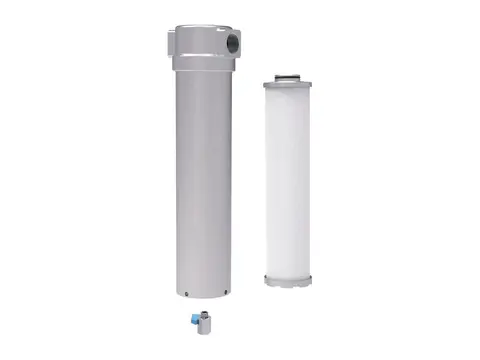
Ammonia and Refrigerant Filters
Keeps compressor oil out of your condensers and evaporators.
View product -
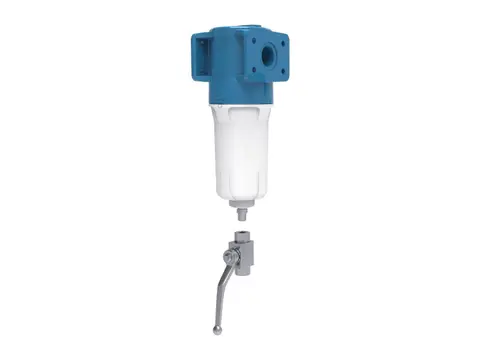
Oxygen Filters
Particle-free oxygen for your system, without adding an ignition source.
View product -
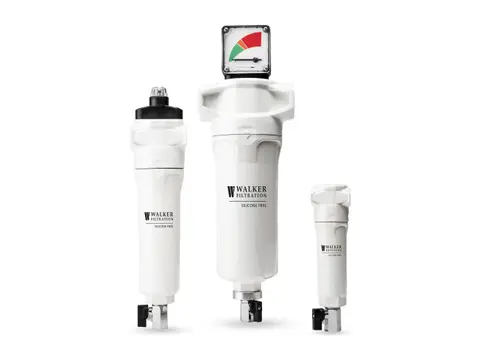
Silicone-Free Filters
Crater-free paint finishes, from air free of paint-wetting contaminants.
View product -
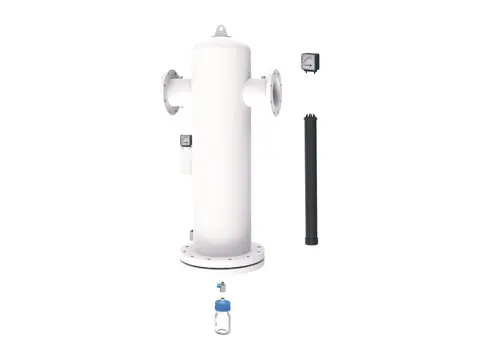
Medical Vacuum Filters
Keeps pathogens from hospital suction away from your pumps and exhaust.
View product -
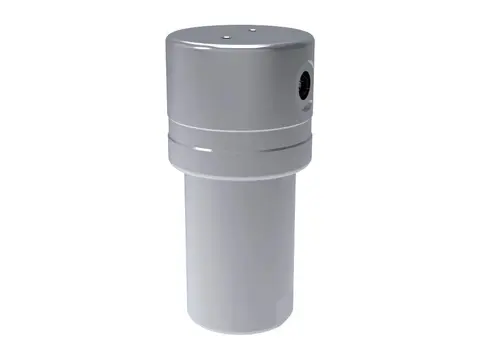
Hydrogen Filters
Particle, aerosol and oil-free hydrogen, from electrolyser to dispenser.
View product
-
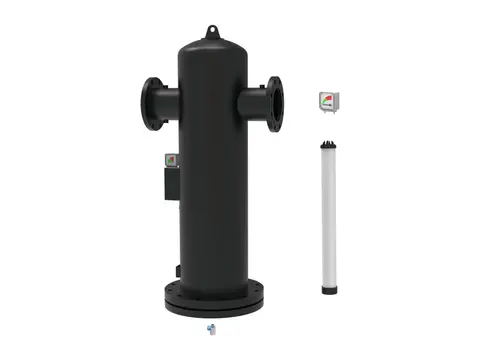
Centrifugal Moisture Separators
Bulk liquid out of your air by centrifugal force, with no element to replace.
View product -
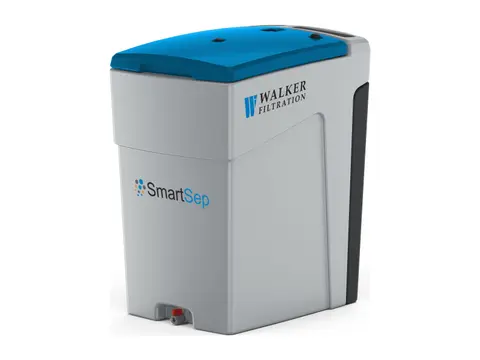
Oil Water Separator
Turns oily compressor condensate into water fit for sewer discharge.
View product -
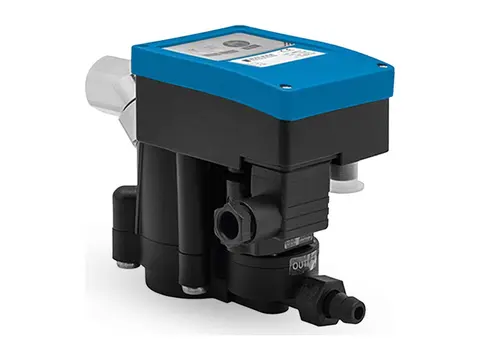
Zero-Loss Electronic Drain
Discharges every drop of condensate from your system, never your compressed air.
View product -
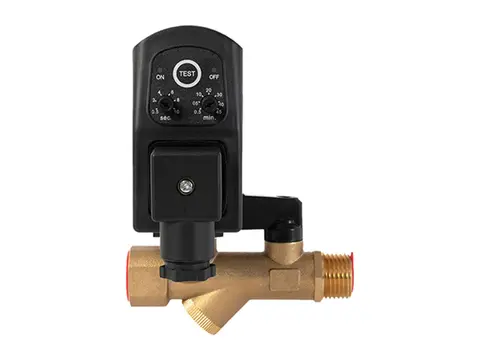
Timer Drain
Scheduled, positive condensate discharge from any collection point in your system.
View product -
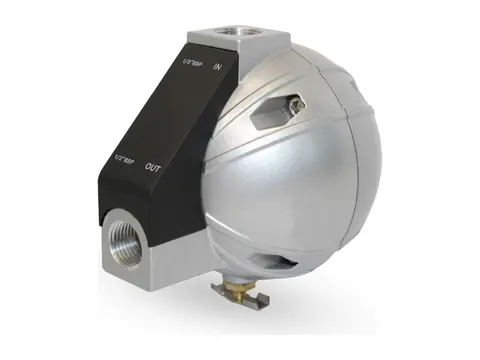
Mechanical Float Drain
Buoyancy-driven condensate removal with no power and no air loss.
View product -
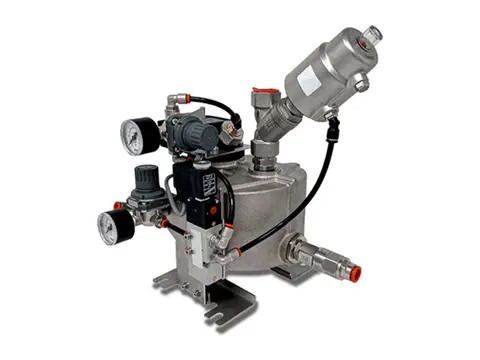
Vacuum Drain
Empties liquid from your vacuum system without breaking the vacuum.
View product
-
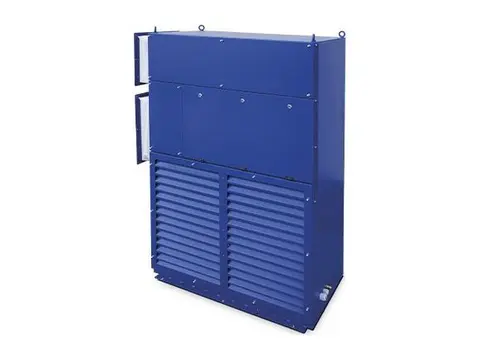
Crane Air Conditioner
Cool, clean cabins and electrical rooms for cranes working in extreme heat.
View product -
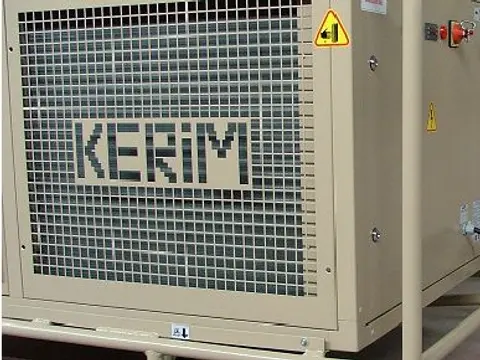
Tent Air Conditioner
Controlled climate for your tents, shelters and temporary structures.
View product -
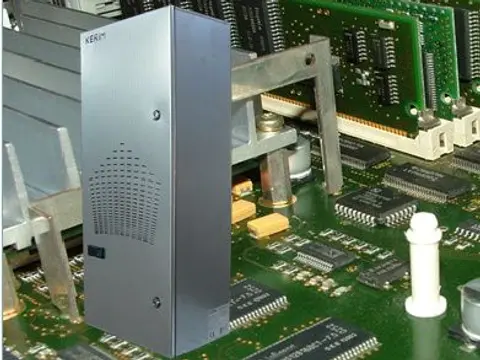
Panel Air Conditioner
Cool, clean, dry control panels, even in your hottest, dirtiest plant areas.
View product -
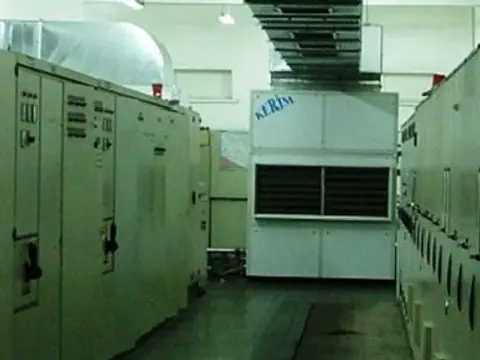
Air / Water Cooled Air Conditioner
Stable room temperatures for your electrical rooms in extreme plant heat.
View product
-
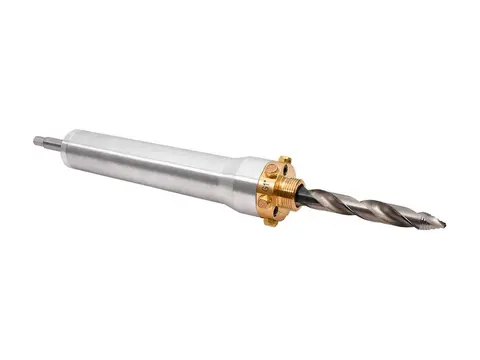
Hot Tapping
Add measurement ports to your live air lines without stopping production.
View product -
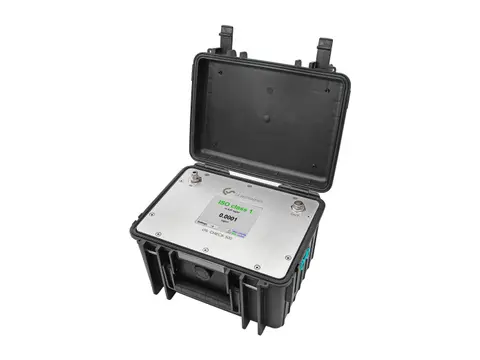
Compressed Air Quality Measurement
Prove your air's ISO 8573-1 purity: particles, oil and dew point.
View product -
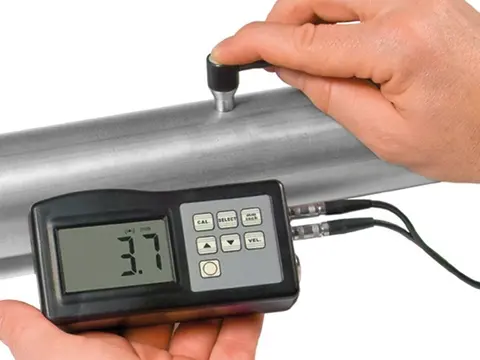
Digital Thickness Meter
Measure the metal left in your receivers and pipework, from the outside.
View product -
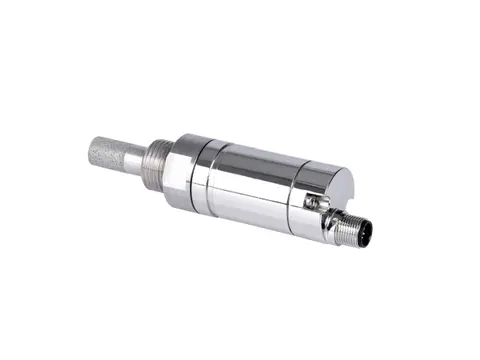
Dew Point Meter
Proof your air is dry, measured at line pressure.
View product -
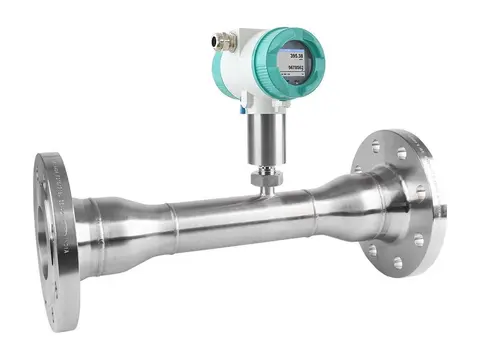
Flow Meter
True standard flow of your compressed air, whatever the line pressure.
View product -
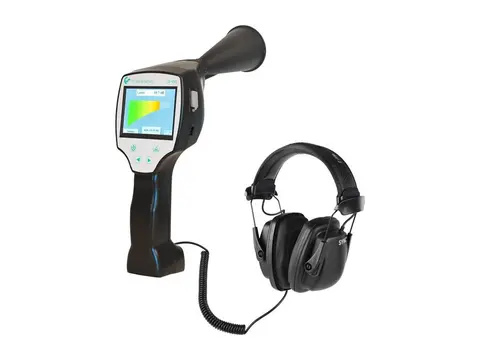
Leak Detector
Hear, locate and cost every compressed air leak in your plant.
View product -
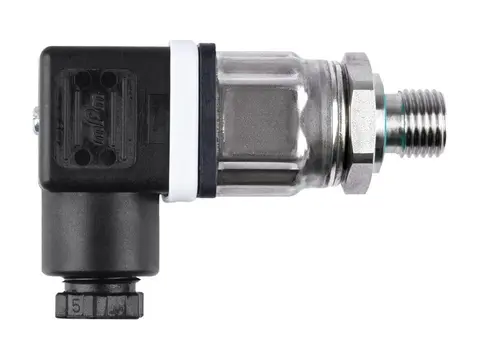
Pressure Sensor
Live pressure data from your compressor room to every point of use.
View product -
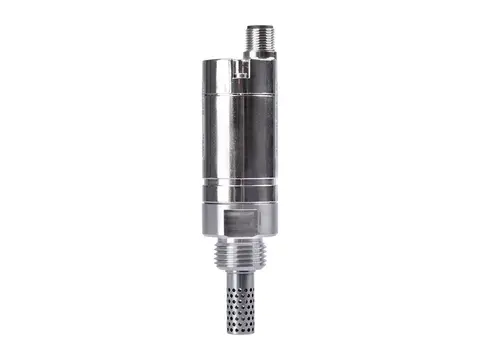
Humidity Meter
Humidity, temperature and dew point from one probe.
View product -
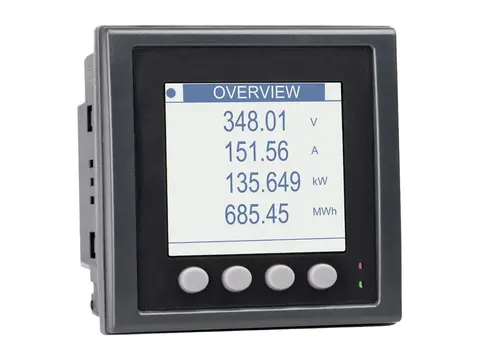
Power Meter
Measure the true power, energy and efficiency of your compressors.
View product
-
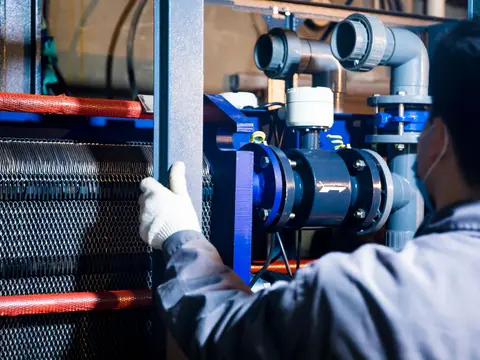
Health Testing of Compressed Air & Gas Dryers
Measured proof your dryer delivers its rated dew point.
View service -
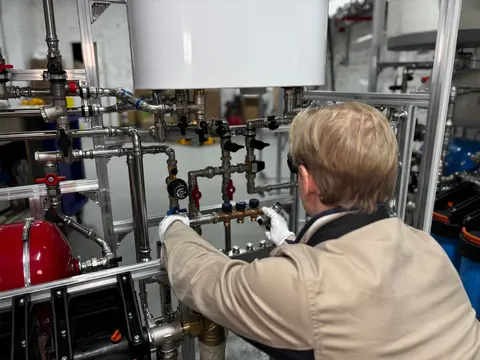
Commissioning and Service of Compressed Air & Gas Dryers
Verified dew point from first start-up through your dryer's service life.
View service -
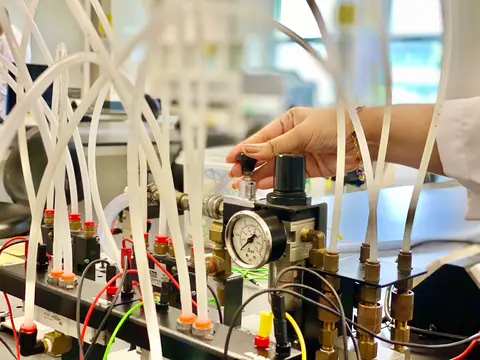
Compressed Air Quality Testing
Measured, documented proof of your compressed air purity class.
View service -
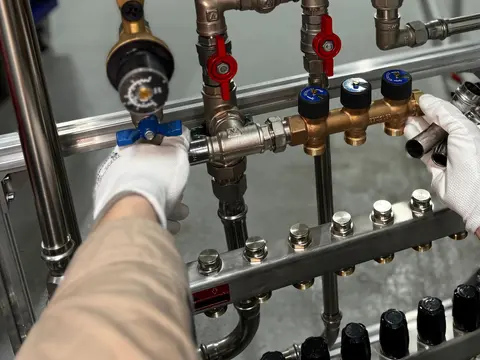
Dew Point Measurement Testing
Verified pressure dew point at the points that matter in your network.
View service -
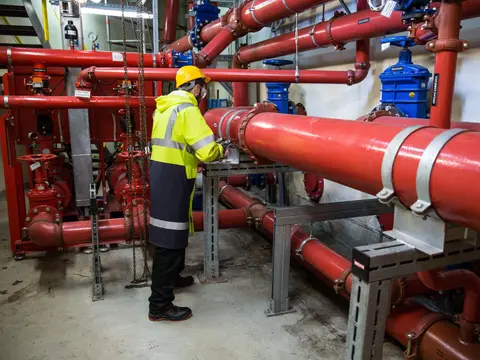
Compressed Air Flow Testing
Measured air demand, leakage and cost for your plant, not estimates.
View service -
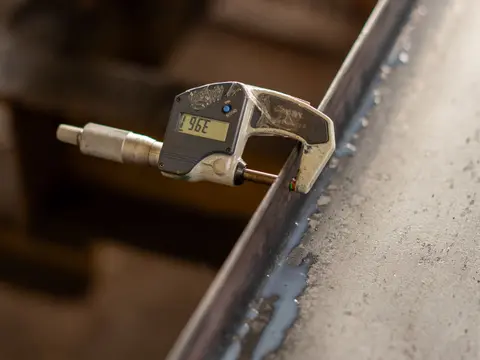
Wall Thickness Testing
Know the remaining wall, corrosion rate and safe life of your equipment.
View service -
Sourcing
Spares, consumables and whole systems for your plant, sourced globally.
View service
