
Industrial Air Conditioners
Panel Air Conditioner
Cool, clean, dry control panels, so your drives keep running right beside the heat and dust they control.
Product overview
Keep your panels cool without letting plant air in
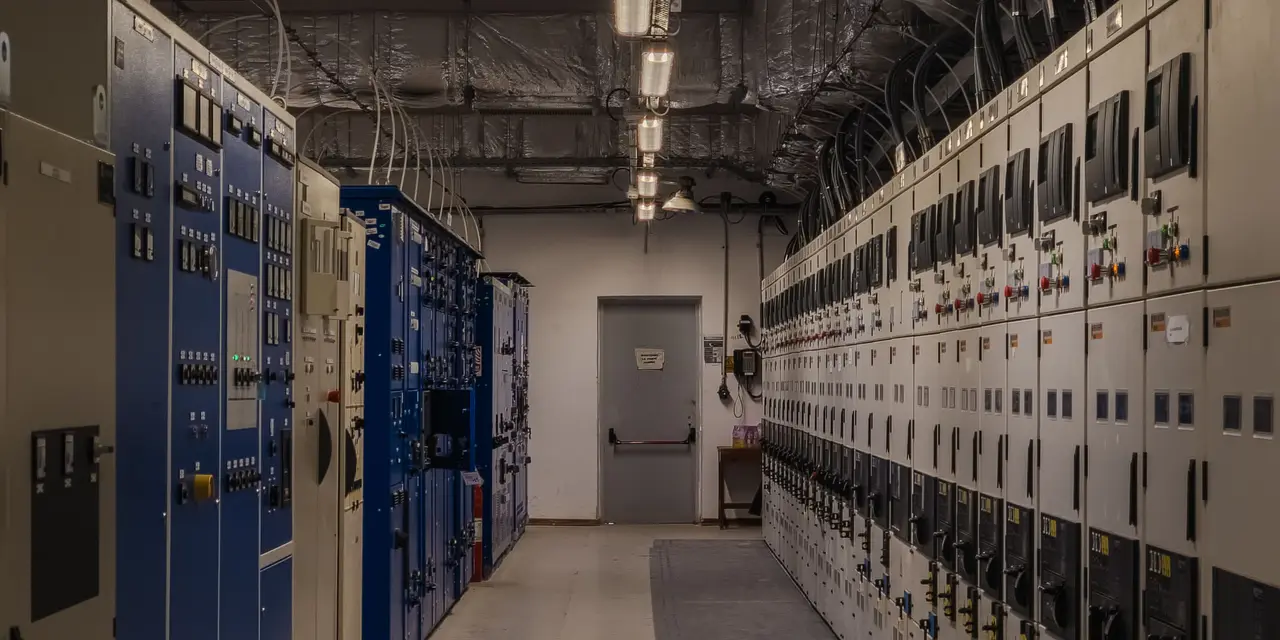
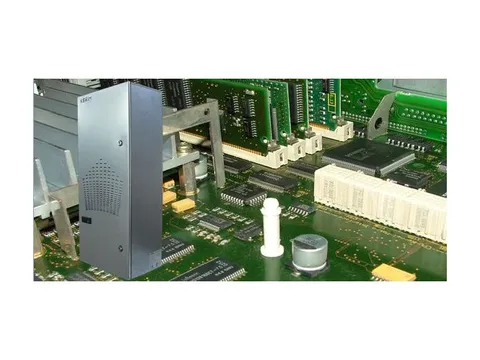
Our panel air conditioner mounts on your electrical enclosure and holds the air inside it at a set temperature, typically 30–35 °C, however hot the room around it becomes. It takes away the heat released by drives, power supplies, PLCs, transformers and switchgear, and rejects it to the room air outside the enclosure.
Enclosure air and room air never mix. Heat crosses between them only through the refrigerant, so dust, oil mist, metal fines, lint and corrosive vapours stay out, and your enclosure keeps its IP54 or IP55 rating under IEC 60529.
The cold coil also dries the enclosure air, draining the water outside the panel. The unit needs no cooling water, compressed air or ducting: it draws power from the panel supply and mounts through a cut-out in an existing wall, door or roof.
- 35 °CEnclosure held, with the room at 45 °C
- IP54 or IP55Enclosure rating kept, to IEC 60529
- Roughly halfCapacitor life lost for each 10 K rise
- Power onlyNo cooling water, compressed air or ducting
Benefits
The problems it solves
Electronic devices are rated for the temperature of the air inside the enclosure, not the room. Here is what hot, dirty plant air does to a panel, and how the unit stops it.
-
Drives tripping and derating
The problem
Many variable-speed drives are rated for 40 °C without derating and lose output current above that, or trip on overtemperature.
How it solves it
Your drives and controllers stay within their rated temperature and run at rated current, not a derated value.
-
Components ageing fast
The problem
The life of aluminium electrolytic capacitors roughly halves for each 10 K rise, and fans, relay coils and insulation age the same way.
How it solves it
Holding the enclosure air at a controlled temperature slows the ageing of capacitors, fans, relay coils and insulation.
-
Panels hotter than the room
The problem
When the room is at or above the permitted internal temperature, the enclosure walls add heat rather than remove it.
How it solves it
The unit pumps heat from the colder panel to the warmer room, holding your enclosure at 35 °C in a 45 °C room.
-
Dust, lint and oil mist
The problem
Conductive dust bridges circuit tracks, lint mats over heat sinks within days, and oil films degrade insulation.
How it solves it
No outside air enters the panel, so your circuit boards, heat sinks and contacts stay clean.
-
Condensation and corrosion
The problem
In humid climates and wash-down areas, moisture condenses on surfaces that cool at night or when equipment stops.
How it solves it
Water condenses on the evaporator and drains out, so surfaces inside the panel stay dry as they cool.
-
Thermal cycling
The problem
Swings in temperature expand and contract solder joints, terminals and busbar connections.
How it solves it
A stable internal temperature limits this cycling across day and night and across seasons.
Where it’s used
Wherever your panels sit beside the process
Enclosures can sit directly beside the process they control, in hot and dirty areas.
-
Steel and aluminium plants
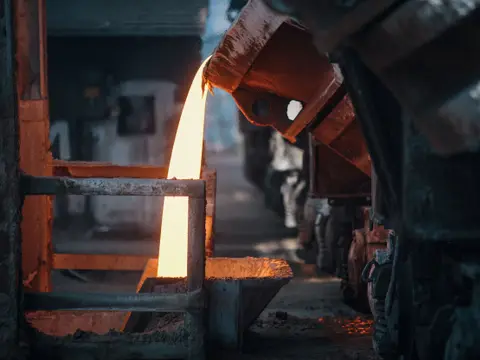
Drive and automation panels near rolling mills, furnaces and casting lines, in ambient air above 45 °C and conductive metal dust.
-

Cement, mining and minerals
Panels for kilns, crushers, mills and conveyors that must exclude abrasive and conductive dust.
-

Automotive plants
Robot controllers, welding controllers and conveyor drives in body and paint shops.
-

Textile mills
Panels where airborne lint would block ventilation openings and settle on circuit boards.
-

Plastics and rubber
Panels beside injection moulding machines, extruders and vulcanising presses that receive radiant heat from the process.
-

Food and beverage
Panels in bakeries, fryers and bottling halls that face heat, flour dust and wash-down humidity.
Also CNC machine tools, pulp and paper, power generation and distribution, water and wastewater, oil, gas and chemicals, material handling and ports, outdoor telecom and battery cabinets, and drive panels for compressors, dryers and nitrogen generators in hot compressor rooms.
How it works
Two sealed air circuits, one refrigerant
A closed refrigeration circuit carries the heat from the air inside your panel to the room air outside it, while the two never mix.
-
1. Take up the panel's heatThe internal fan draws warm air from the top of the enclosure across the evaporator, where the refrigerant boils at typically between 0 °C and 15 °C. The cold, drier air returns near the bottom and rises past your components, and the water it gave up drains outside the enclosure.
-
2. CompressThe hermetic compressor raises the refrigerant vapour's pressure by a factor of roughly three to five, lifting its temperature well above that of the room air. The work of compression is added to the refrigerant as heat.
-
3. Reject the heat to the roomThe external fan draws room air across the condenser, where the refrigerant condenses typically 10–20 K above the room air temperature. A unit removing 1,000 W with a 400 W electrical input rejects 1,400 W into the room.
-
4. ExpandThe liquid passes through a capillary tube or thermostatic expansion valve. The sudden pressure drop lowers its boiling point below the enclosure air temperature, and the mixture returns to the evaporator.
-
5. Keep the circuits apartA sealed partition and gaskets that match your enclosure's protection rating separate the two air paths. The refrigerant pipes pass through in sealed joints, and no air moves between the circuits.
Example: a room at 45 °C with the enclosure held at 35 °C.
Get the full details
Our brochure covers it in detail, and our questionnaire tells us what we need to recommend the right one for your plant.
Keep exploring
More from our range
Equipment for every stage of your compressed air, and our own engineers to test, commission and look after it.
-
Refrigerated Air Dryers
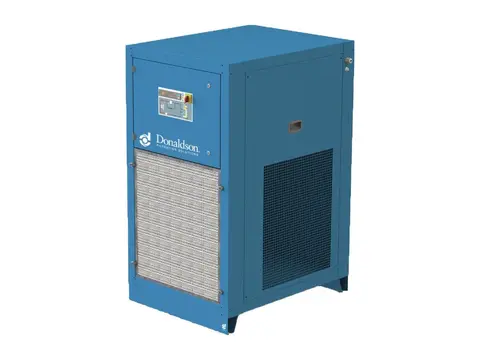
Dry, condensate-free air for your plant, with no compressed air spent drying.
View product -
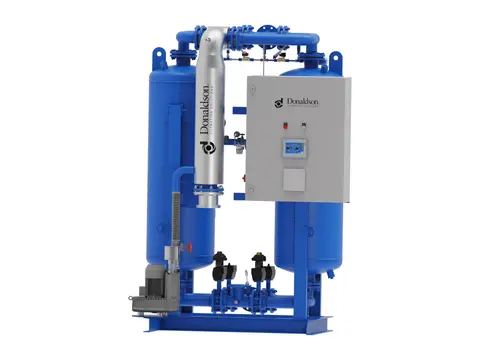
Heated Desiccant Dryers
Deep, stable dew points for your air, with heat doing the regeneration.
View product -
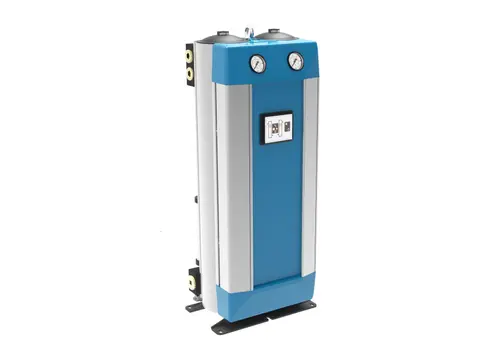
Heatless Desiccant Dryers
Deep dew points without heaters, for hazardous areas and remote sites.
View product -
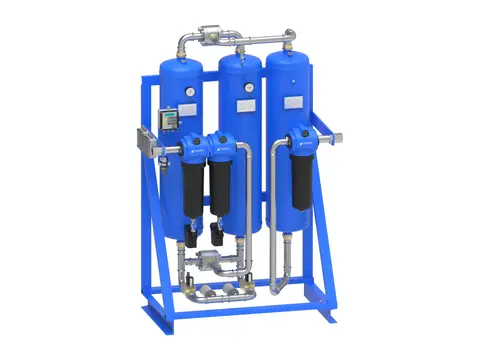
Breathing Air Systems
Your plant’s compressed air, made safe to breathe.
View product -
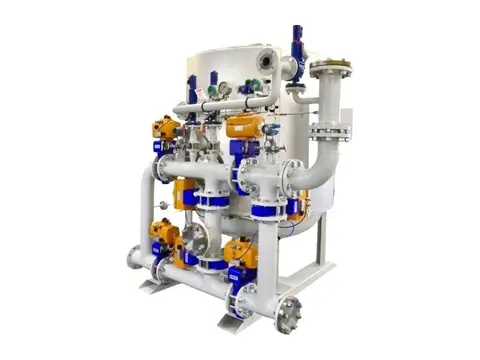
Hydrogen Dryers & De-Oxo Units
Electrolytic hydrogen purified of oxygen and water, ready for fuel cells.
View product -
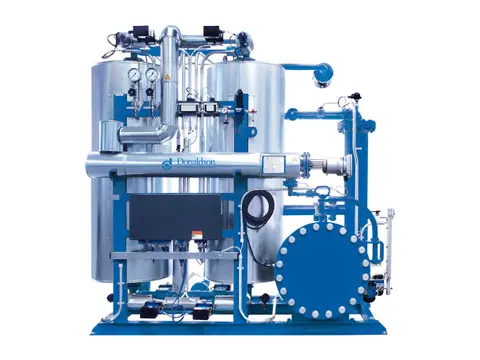
Biogas & Natural Gas Dryers
Dry, condensate-free fuel gas for your engines, boilers and upgrading plant.
View product -
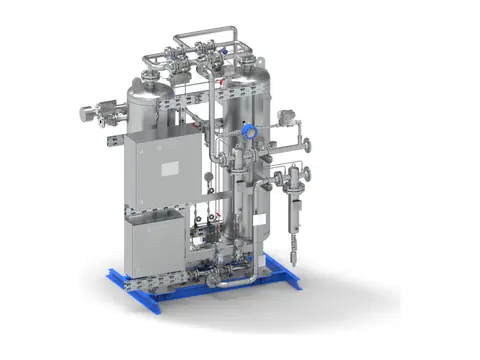
CO₂ Dryers
Beverage-grade dry CO₂ for your recovery plant, with no gas vented.
View product -
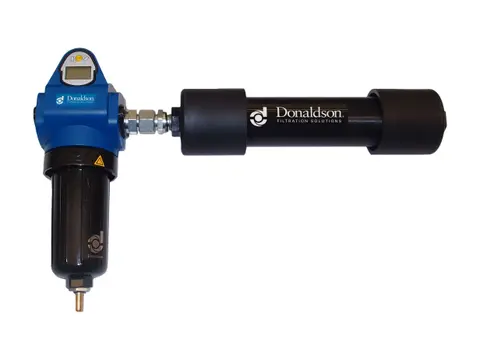
Membrane Dryers
Dry air at the point of use, with no power and no moving parts.
View product
-
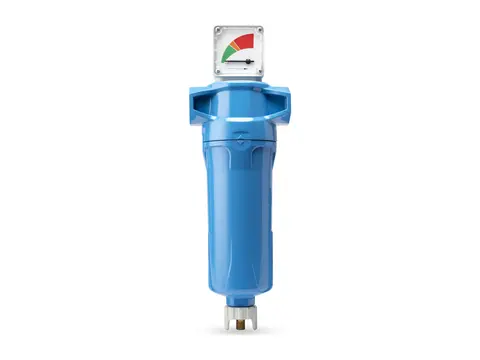
Coalescing Filters
Takes oil and water aerosols out of your air, down to 0.01 mg/m³.
View product -
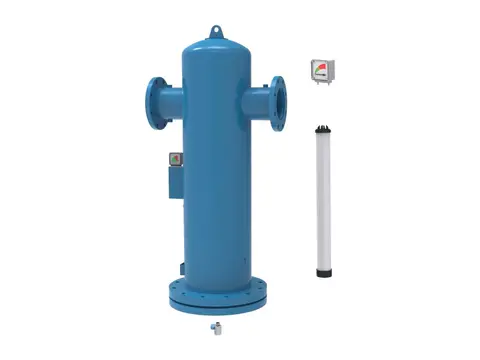
Particulate Filters
Dry, dust-free air for your plant, down to 0.01 µm particles.
View product -
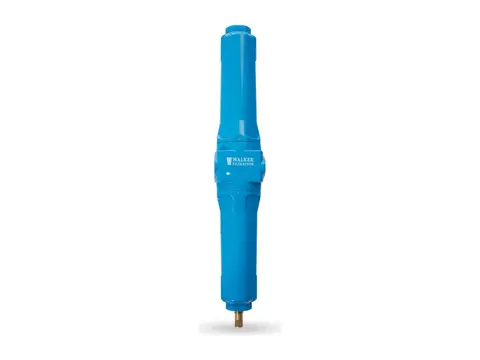
Compressed Air Duplex Filters
Change filter elements without interrupting your air supply.
View product -
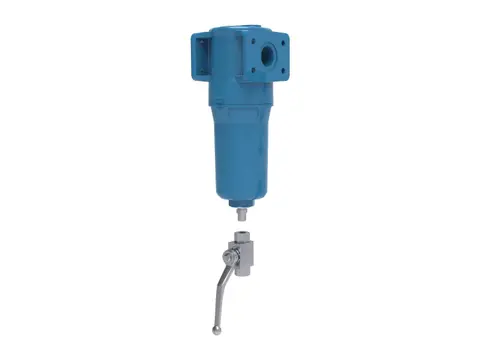
High Pressure Filters
Certified air purity for your high-pressure lines, up to 350 bar g.
View product -
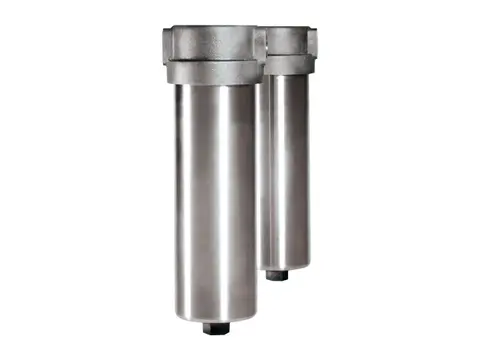
High Temperature Filters
Particle-free compressed air and gas where your process runs hot.
View product -
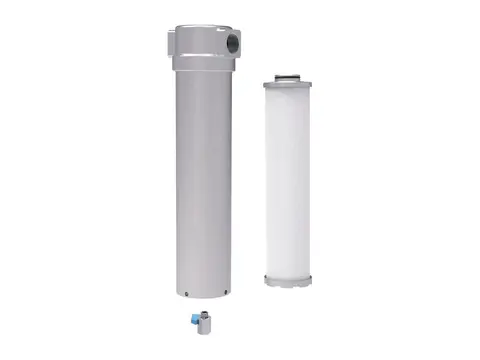
Ammonia and Refrigerant Filters
Keeps compressor oil out of your condensers and evaporators.
View product -
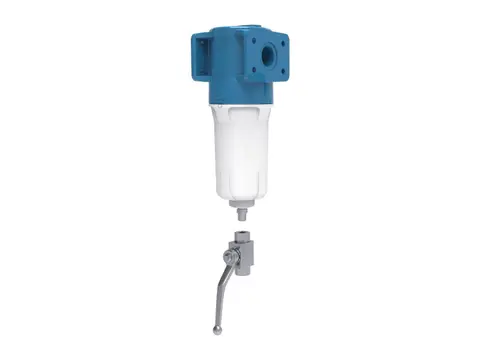
Oxygen Filters
Particle-free oxygen for your system, without adding an ignition source.
View product -
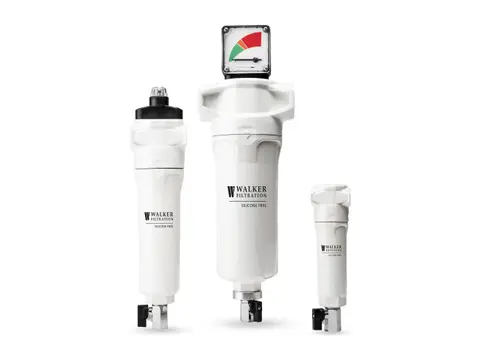
Silicone-Free Filters
Crater-free paint finishes, from air free of paint-wetting contaminants.
View product -
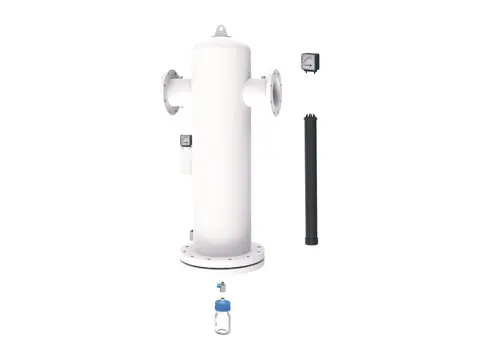
Medical Vacuum Filters
Keeps pathogens from hospital suction away from your pumps and exhaust.
View product -
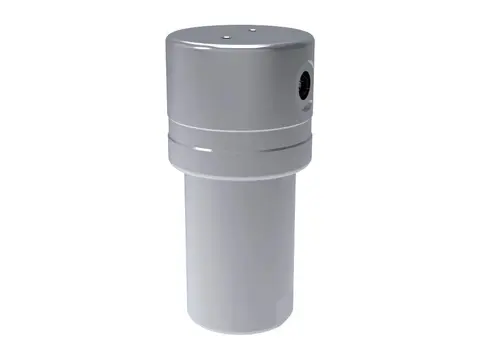
Hydrogen Filters
Particle, aerosol and oil-free hydrogen, from electrolyser to dispenser.
View product -
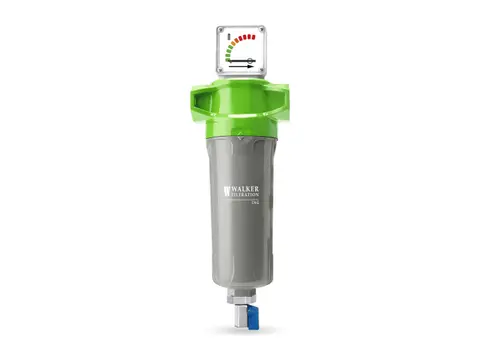
CNG Filters
Oil-free, particle-free natural gas from your compressor to the vehicle.
View product
-
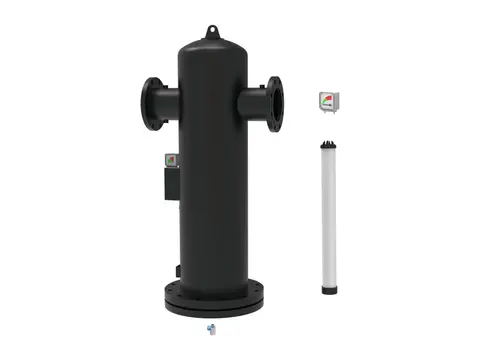
Centrifugal Moisture Separators
Bulk liquid out of your air by centrifugal force, with no element to replace.
View product -
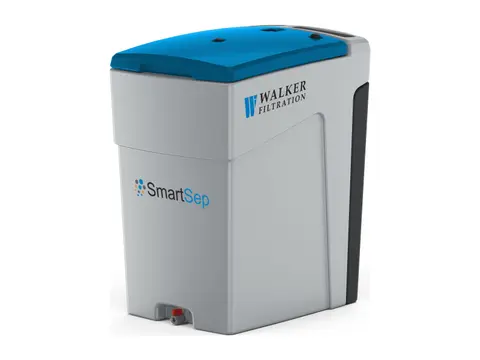
Oil Water Separator
Turns oily compressor condensate into water fit for sewer discharge.
View product -
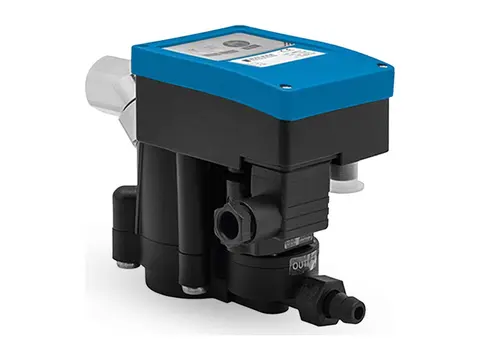
Zero-Loss Electronic Drain
Discharges every drop of condensate from your system, never your compressed air.
View product -
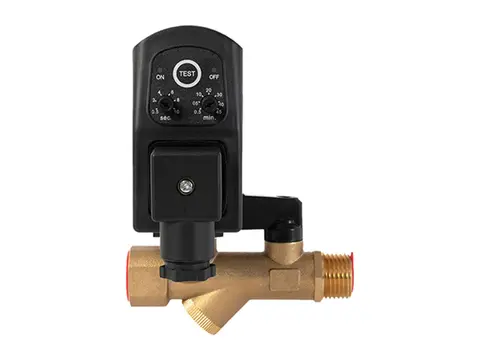
Timer Drain
Scheduled, positive condensate discharge from any collection point in your system.
View product -
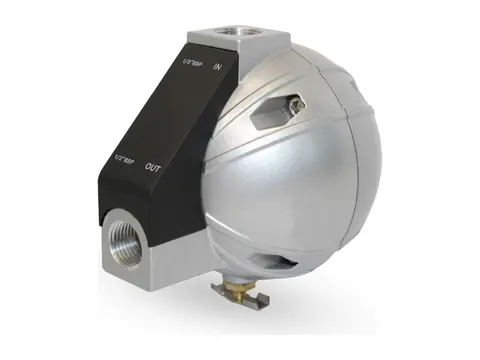
Mechanical Float Drain
Buoyancy-driven condensate removal with no power and no air loss.
View product -
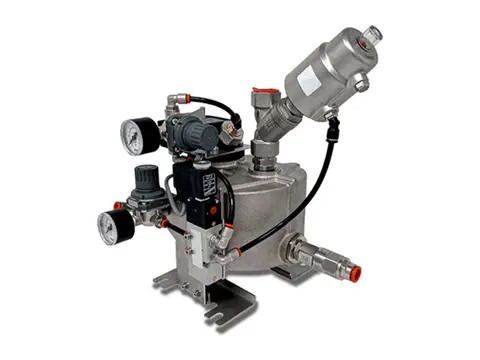
Vacuum Drain
Empties liquid from your vacuum system without breaking the vacuum.
View product
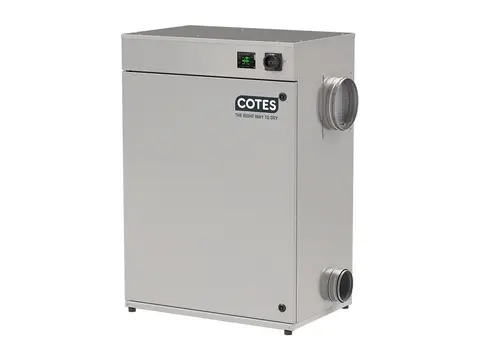
-
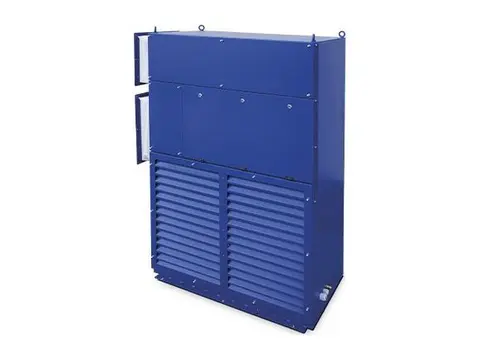
Crane Air Conditioner
Cool, clean cabins and electrical rooms for cranes working in extreme heat.
View product -
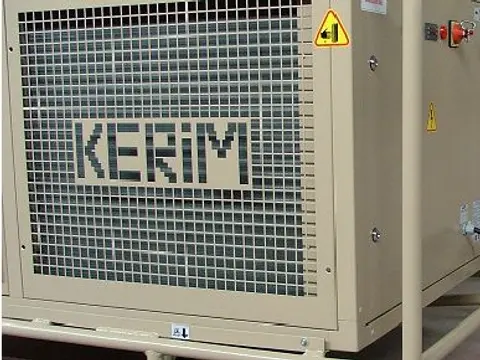
Tent Air Conditioner
Controlled climate for your tents, shelters and temporary structures.
View product -
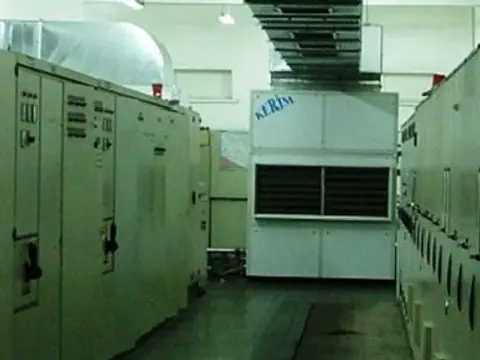
Air / Water Cooled Air Conditioner
Stable room temperatures for your electrical rooms in extreme plant heat.
View product
-
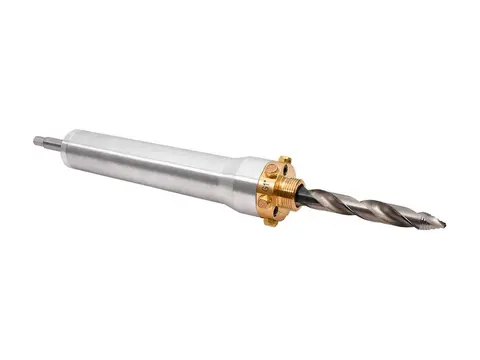
Hot Tapping
Add measurement ports to your live air lines without stopping production.
View product -
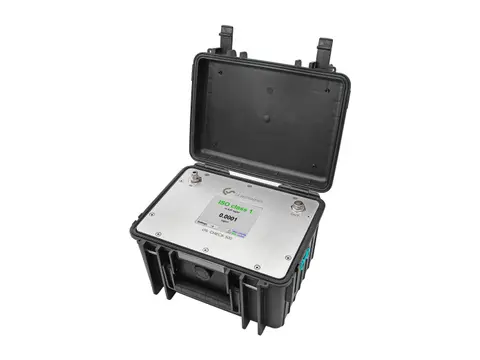
Compressed Air Quality Measurement
Prove your air's ISO 8573-1 purity: particles, oil and dew point.
View product -
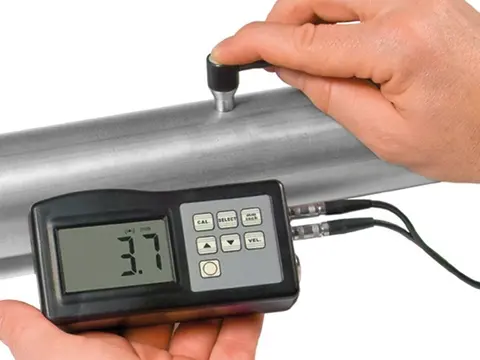
Digital Thickness Meter
Measure the metal left in your receivers and pipework, from the outside.
View product -
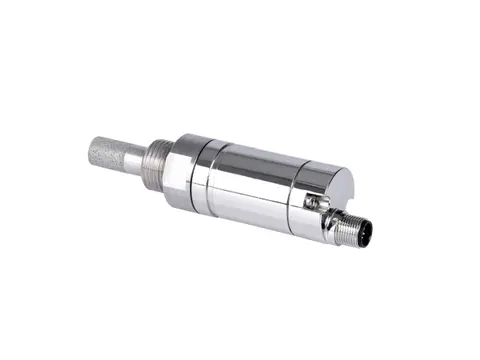
Dew Point Meter
Proof your air is dry, measured at line pressure.
View product -
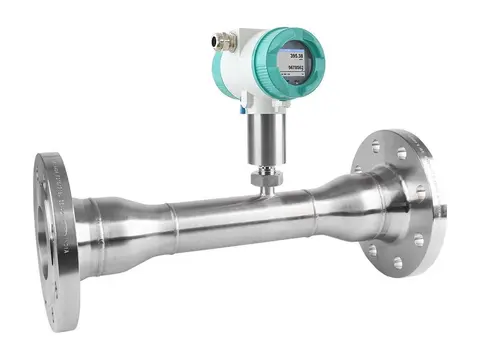
Flow Meter
True standard flow of your compressed air, whatever the line pressure.
View product -

Leak Detector
Hear, locate and cost every compressed air leak in your plant.
View product -
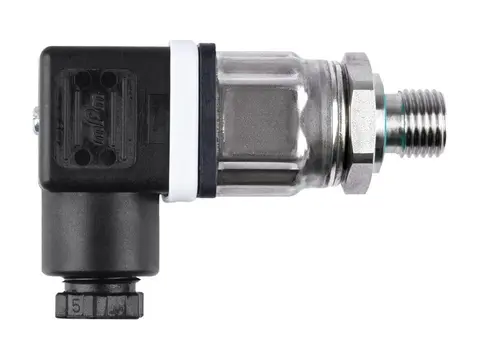
Pressure Sensor
Live pressure data from your compressor room to every point of use.
View product -
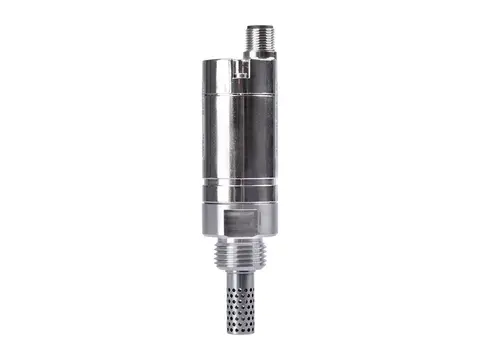
Humidity Meter
Humidity, temperature and dew point from one probe.
View product -
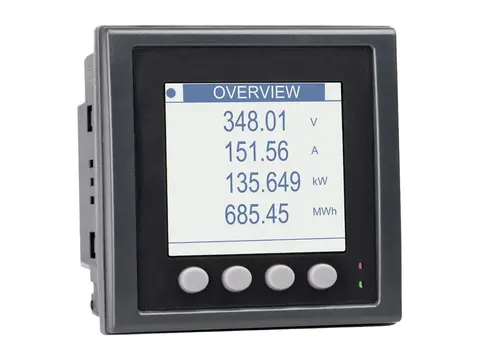
Power Meter
Measure the true power, energy and efficiency of your compressors.
View product
-
Health Testing of Compressed Air & Gas Dryers
Measured proof your dryer delivers its rated dew point.
View service -
Commissioning and Service of Compressed Air & Gas Dryers
Verified dew point from first start-up through your dryer's service life.
View service -
Compressed Air Quality Testing
Measured, documented proof of your compressed air purity class.
View service -
Dew Point Measurement Testing
Verified pressure dew point at the points that matter in your network.
View service -
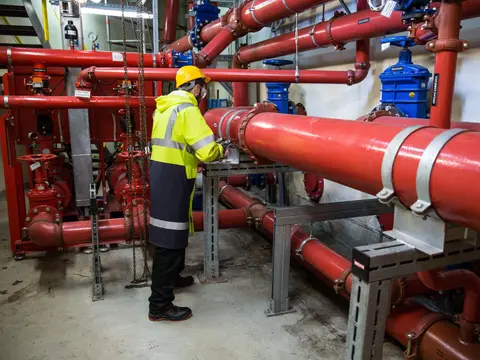
Compressed Air Flow Testing
Measured air demand, leakage and cost for your plant, not estimates.
View service -
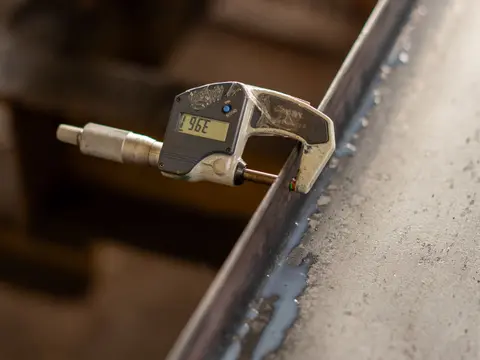
Wall Thickness Testing
Know the remaining wall, corrosion rate and safe life of your equipment.
View service -
Sourcing
Spares, consumables and whole systems for your plant, sourced globally.
View service
