
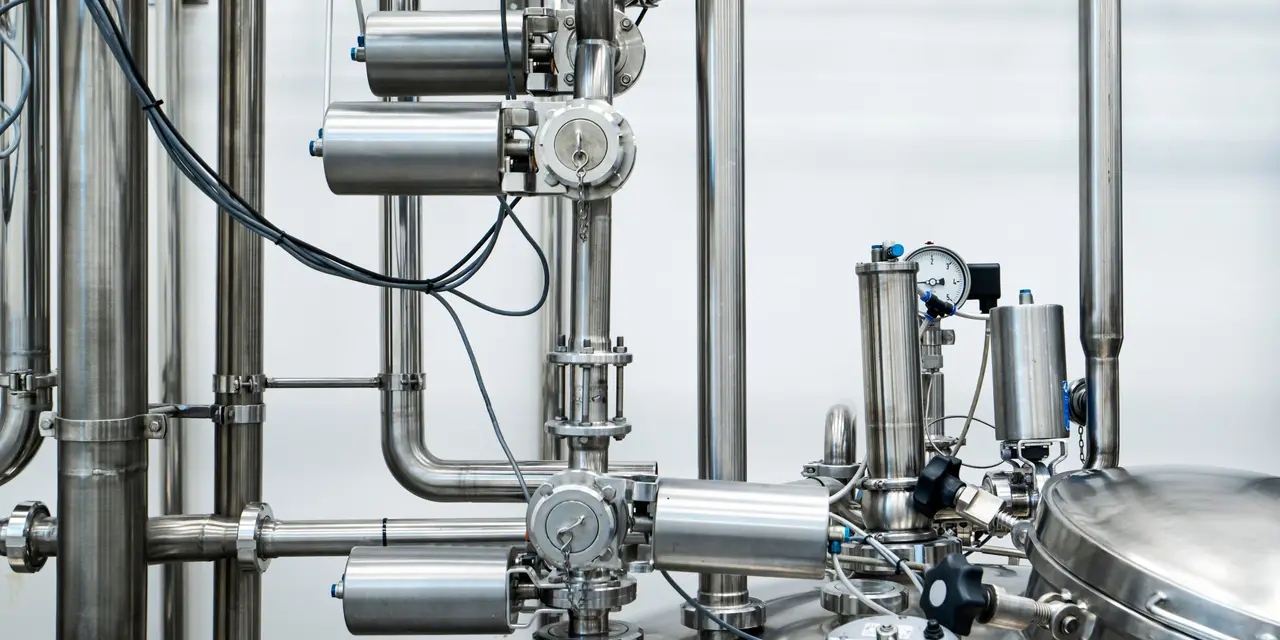
Compressed Air & Gas Filters
Silicone-Free Filter
Flawless finishes start with clean air: every trace of silicone out, and nothing added back by the filter.
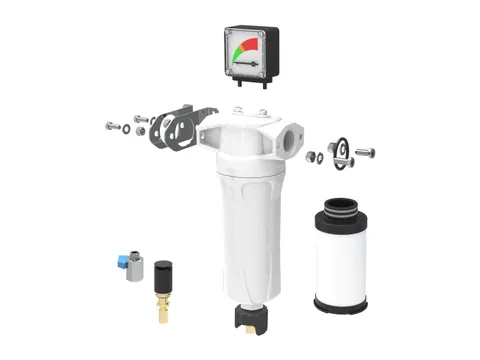
Product overview
Crater-free paint, from air with nothing to wet it away
A trace of silicone landing on a surface about to be painted leaves a crater: the wet paint flows away from the contaminated spot. Only a molecular layer is needed, invisible to the eye and too small to weigh, so a single droplet in your spray air or a film left by blow-off cleaning is enough.
Our silicone-free filters remove particles, oil and water aerosol and, in the activated carbon stage, oil vapour and siloxanes. Every wetted part, from housing and element to seals, O-ring lubricant and automatic drain, is made, assembled and packed without silicone, so the filter itself releases no paint-wetting impairment substances (PWIS).
Combined with a dryer, the sequence delivers air meeting ISO 8573-1:2010 Class 1 for oil, total oil of 0.01 mg/m³ or less, with PWIS-free status verified as a separate requirement by paint-crater test methods such as those in VDMA 24364.
- 0.01 mg/m³Total oil, ISO 8573-1:2010 Class 1
- 0.01 µmFinest particle and aerosol grade
- More than 99.6 %Of the oil aerosol removed
- 20–21 mN/mSurface tension of silicone, below most liquid paints
Benefits
The problems it solves
In a paint shop, compressed air atomises the paint and cleans the surface before coating. Here is what silicone in that air does, and how the filters stop it.
-
Craters in the finish
The problem
Silicone lowers the surface energy of any spot it touches, so primer, basecoat and clearcoat pull away and leave craters.
How it solves it
Removing PWIS from your air removes a direct cause of craters, so more parts pass inspection the first time.
-
Costly rework
The problem
A cratered surface must be sanded, cleaned and repainted, using paint, booth time and a second oven cycle.
How it solves it
Each crater avoided saves the sanding, repainting and second cure, and the booth time that goes with them.
-
A filter that contaminates
The problem
Silicone grease is widely used on O-rings in pneumatic equipment, so an ordinary filter can add silicone at the last stage before the paint.
How it solves it
Every wetted part, seal and lubricant is silicone-free and verified, so the filter never becomes a new source.
-
Oil you cannot see
The problem
Oil vapour and volatile siloxanes drawn in at the compressor intake pass through coalescing media as gas.
How it solves it
The activated carbon stage adsorbs them, bringing total oil, including vapour, to 0.01 mg/m³ or below.
-
Supplier audits
The problem
Automotive manufacturers require PWIS-free equipment in painting areas, verified to a recognised test method.
How it solves it
Test certificates for PWIS-free status satisfy OEM supplier audits and equipment approval for your paint areas.
-
Weak bonds and faulty contacts
The problem
Silicone films make adhesive bonds fail at the interface, solder dewet from pads and relay contacts develop high resistance.
How it solves it
Surfaces blown off with PWIS-free air keep the surface energy adhesives need, and siloxane-free air keeps contacts clean.
Where it’s used
Wherever air touches a finish
Wherever compressed air atomises a coating or prepares a surface for one, a trace of silicone shows in the result.
-

Automotive paint shops
Robot atomisers, spray guns, booth blow-off and body cleaning ahead of primer, basecoat and clearcoat.
-

Paint and coatings manufacture
Air for mixing, filling and laboratory spray-out testing, where contamination would appear in quality-control panels.
-
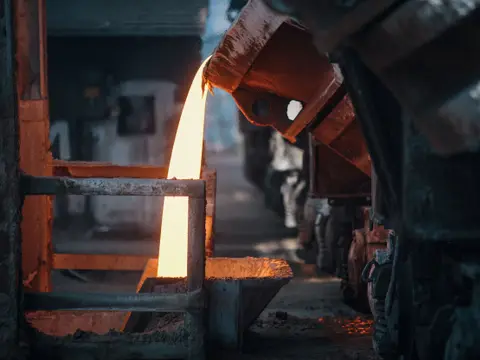
Coil coating and metal packaging
Coating lines where a contamination defect repeats along kilometres of strip.
Also vehicle body repair workshops, automotive component painting, aerospace, rail, commercial vehicle and agricultural equipment, powder coating, wood and furniture finishing, adhesive bonding and sealing, electronics, optics and glass coating, and printing and labelling.
How it works
Coarse to fine, nothing added
Each stage takes out the contaminant that would overload the next, and every stage is built so it adds no silicone of its own.
-
1. CoalesceA general-purpose 1 µm filter takes the heavier aerosol load, then a high-efficiency 0.01 µm filter brings oil aerosol down to 0.01 mg/m³ or below. The captured droplets merge, drain to the sump and leave through the automatic drain.
-
2. Dry and polishThe dryer lowers the dew point so no liquid water reaches the carbon stage or the paint, and a dry particulate filter retains the dust generated inside the dryer.
-
3. AdsorbActivated carbon holds oil vapour, odours and volatile siloxanes that pass through the coalescers as gas. It sits after the dryer because dry air at a stable temperature gives the carbon its full capacity.
-
4. Nothing added backEvery wetted part of every filter, including the seals, the O-ring lubricant and the automatic drain, is made without silicone, so no stage adds silicone back to the air it has cleaned.
-
5. At the boothA point-of-use silicone-free filter sits directly upstream of your spray gun or robot atomiser, catching what the distribution network adds, such as pipe scale and fitting residues.
Keep the carbon stage inlet at or below its rated temperature, commonly 35 °C.
Get the full details
Our brochure covers it in detail, and our questionnaire tells us what we need to recommend the right one for your plant.
Keep exploring
More from our range
Equipment for every stage of your compressed air, and our own engineers to test, commission and look after it.
-
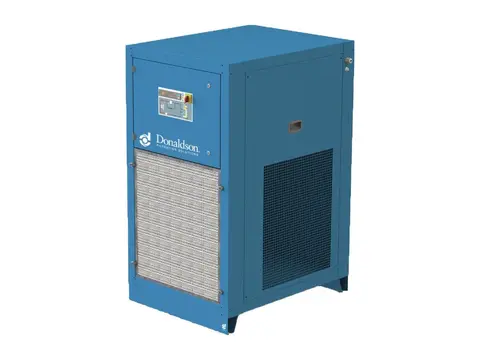
Refrigerated Air Dryers
Dry, condensate-free air for your plant, with no compressed air spent drying.
View product -
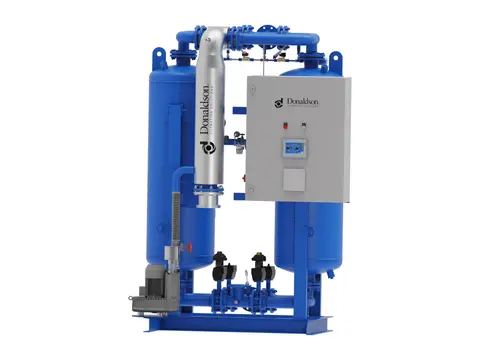
Heated Desiccant Dryers
Deep, stable dew points for your air, with heat doing the regeneration.
View product -
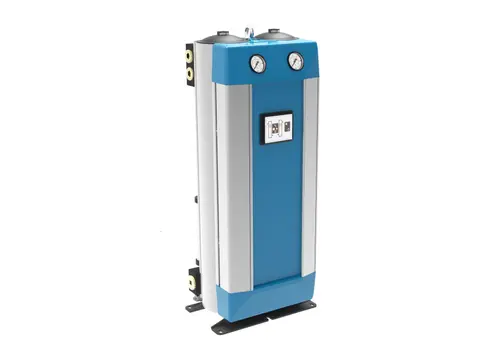
Heatless Desiccant Dryers
Deep dew points without heaters, for hazardous areas and remote sites.
View product -
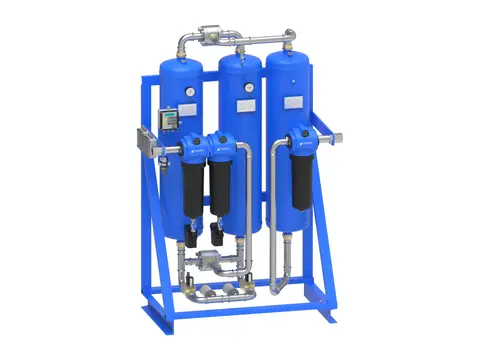
Breathing Air Systems
Your plant’s compressed air, made safe to breathe.
View product -
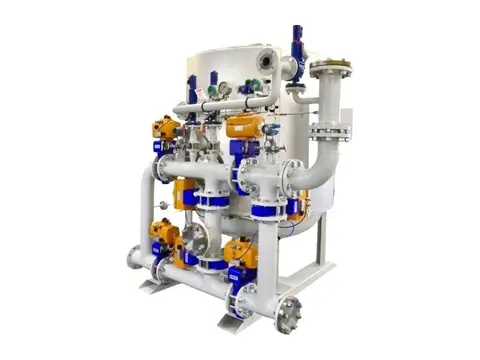
Hydrogen Dryers & De-Oxo Units
Electrolytic hydrogen purified of oxygen and water, ready for fuel cells.
View product -
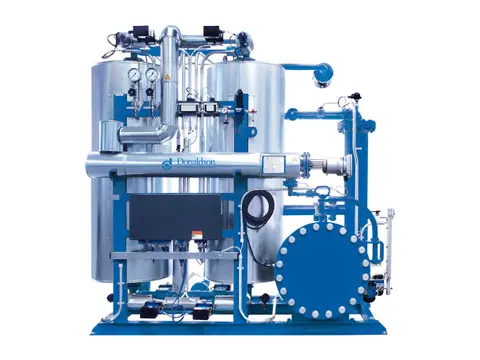
Biogas & Natural Gas Dryers
Dry, condensate-free fuel gas for your engines, boilers and upgrading plant.
View product -
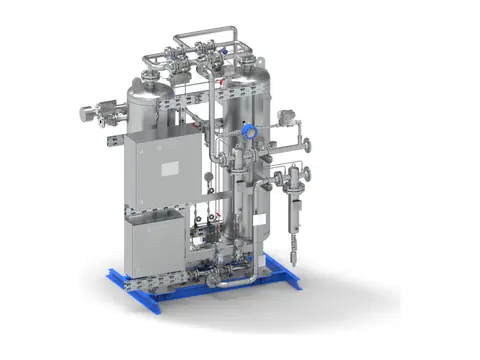
CO₂ Dryers
Beverage-grade dry CO₂ for your recovery plant, with no gas vented.
View product -
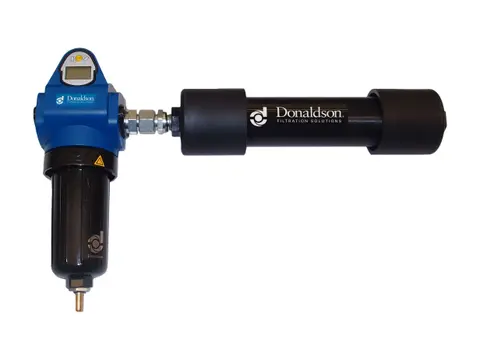
Membrane Dryers
Dry air at the point of use, with no power and no moving parts.
View product
-
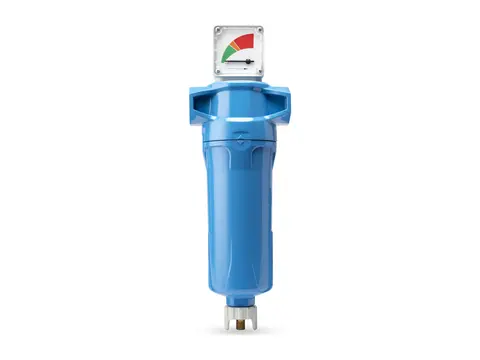
Coalescing Filters
Takes oil and water aerosols out of your air, down to 0.01 mg/m³.
View product -
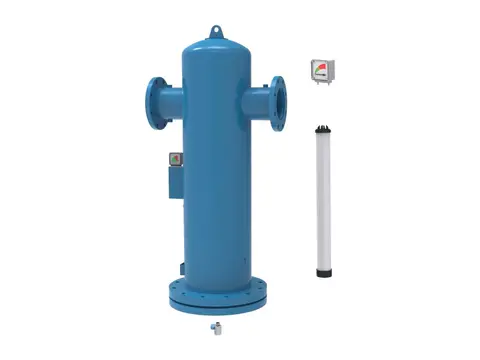
Particulate Filters
Dry, dust-free air for your plant, down to 0.01 µm particles.
View product -
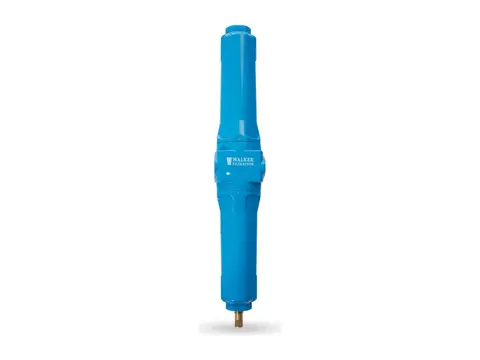
Compressed Air Duplex Filters
Change filter elements without interrupting your air supply.
View product -
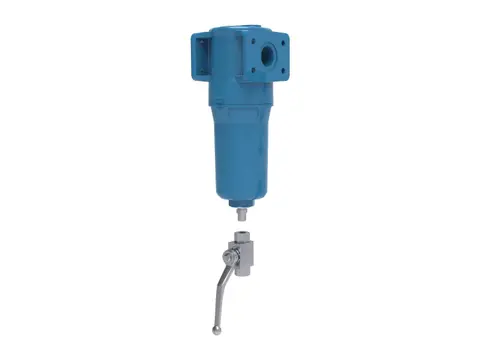
High Pressure Filters
Certified air purity for your high-pressure lines, up to 350 bar g.
View product -
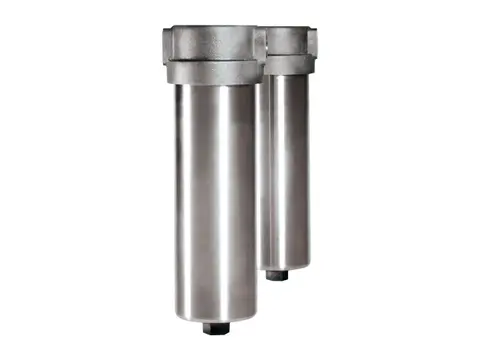
High Temperature Filters
Particle-free compressed air and gas where your process runs hot.
View product -
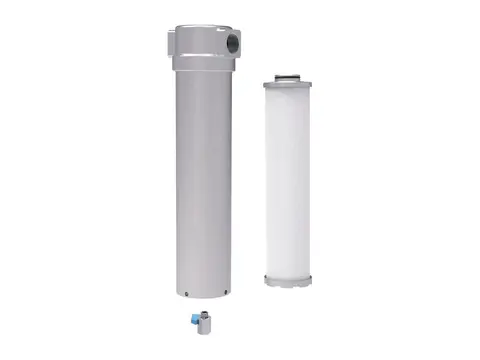
Ammonia and Refrigerant Filters
Keeps compressor oil out of your condensers and evaporators.
View product -
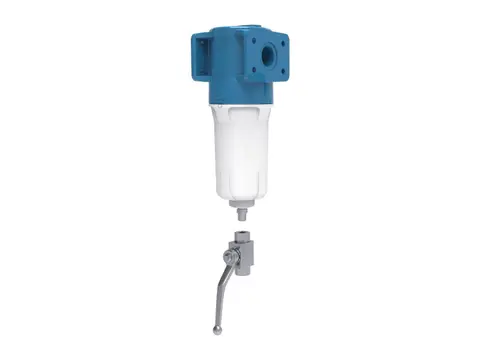
Oxygen Filters
Particle-free oxygen for your system, without adding an ignition source.
View product -
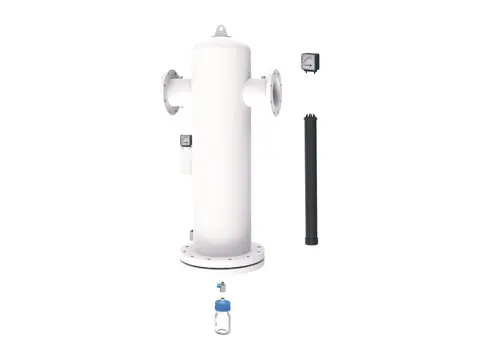
Medical Vacuum Filters
Keeps pathogens from hospital suction away from your pumps and exhaust.
View product -
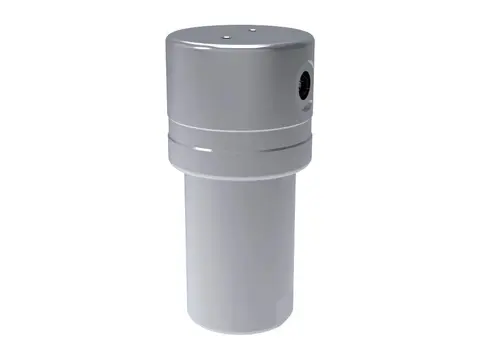
Hydrogen Filters
Particle, aerosol and oil-free hydrogen, from electrolyser to dispenser.
View product -
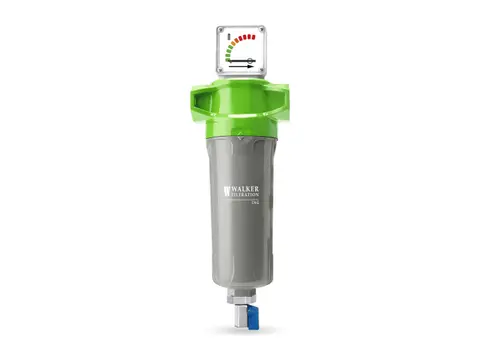
CNG Filters
Oil-free, particle-free natural gas from your compressor to the vehicle.
View product
-
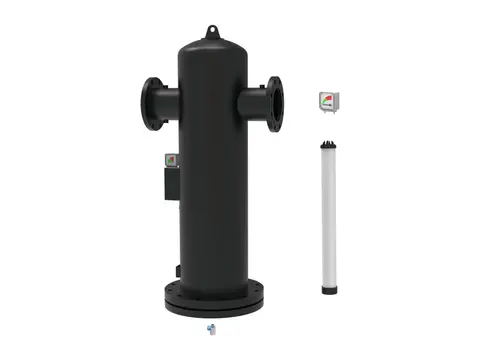
Centrifugal Moisture Separators
Bulk liquid out of your air by centrifugal force, with no element to replace.
View product -
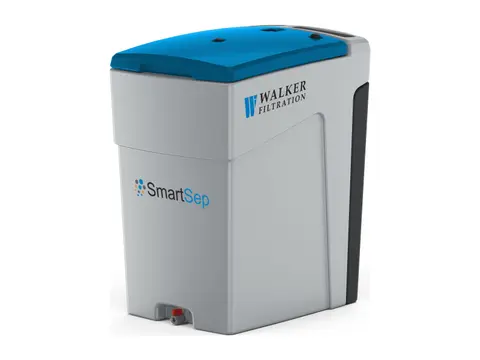
Oil Water Separator
Turns oily compressor condensate into water fit for sewer discharge.
View product -
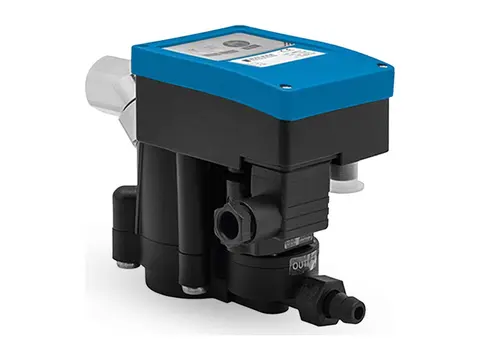
Zero-Loss Electronic Drain
Discharges every drop of condensate from your system, never your compressed air.
View product -
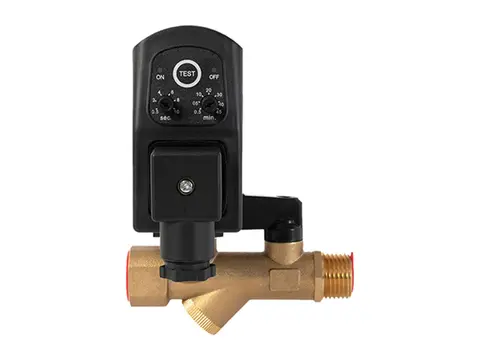
Timer Drain
Scheduled, positive condensate discharge from any collection point in your system.
View product -
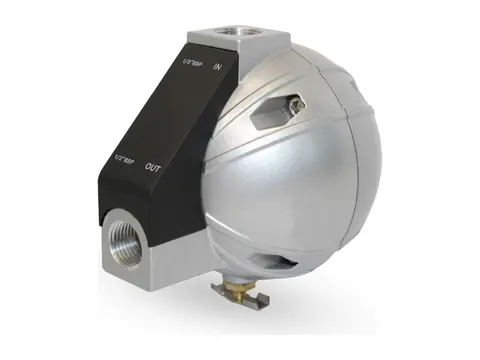
Mechanical Float Drain
Buoyancy-driven condensate removal with no power and no air loss.
View product -
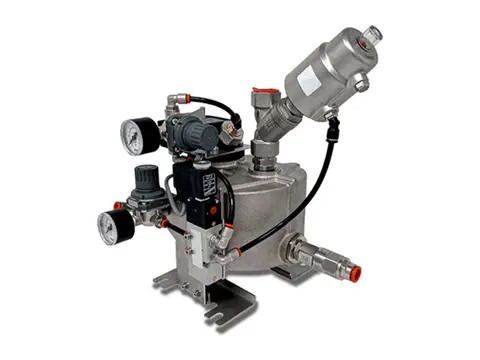
Vacuum Drain
Empties liquid from your vacuum system without breaking the vacuum.
View product
-
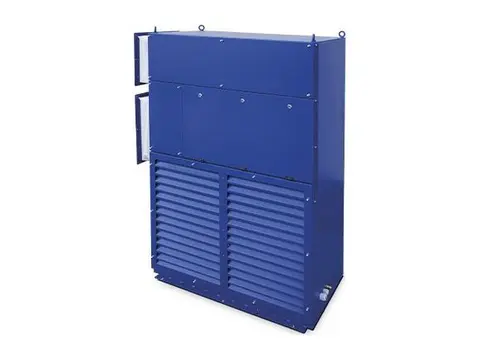
Crane Air Conditioner
Cool, clean cabins and electrical rooms for cranes working in extreme heat.
View product -
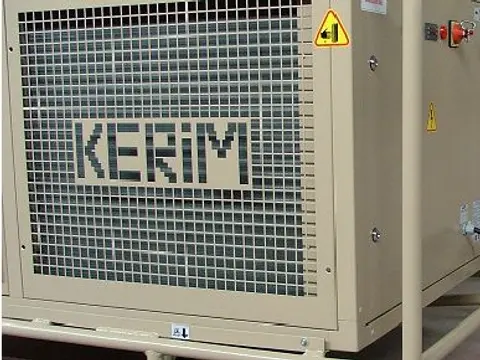
Tent Air Conditioner
Controlled climate for your tents, shelters and temporary structures.
View product -
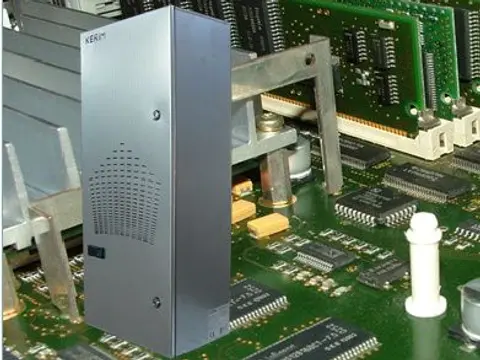
Panel Air Conditioner
Cool, clean, dry control panels, even in your hottest, dirtiest plant areas.
View product -
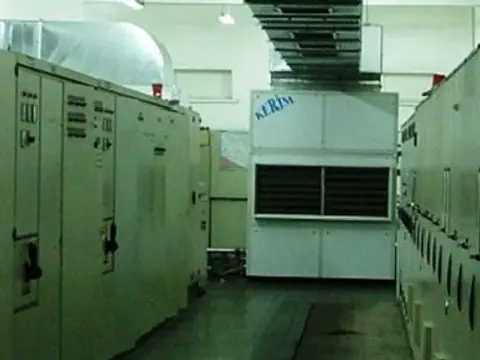
Air / Water Cooled Air Conditioner
Stable room temperatures for your electrical rooms in extreme plant heat.
View product
-
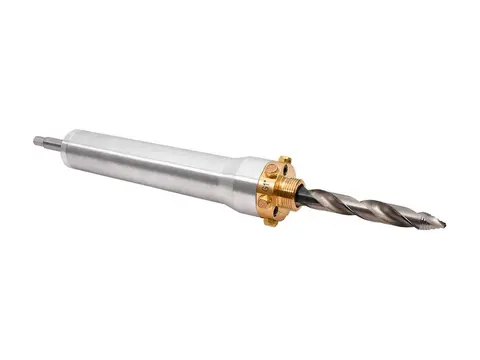
Hot Tapping
Add measurement ports to your live air lines without stopping production.
View product -
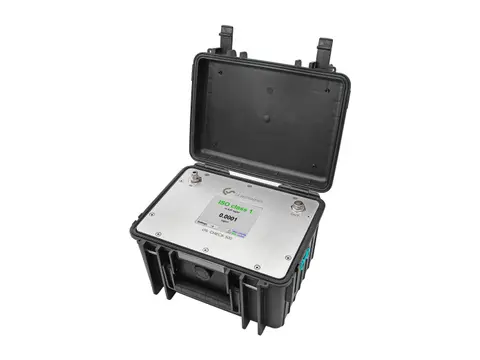
Compressed Air Quality Measurement
Prove your air's ISO 8573-1 purity: particles, oil and dew point.
View product -
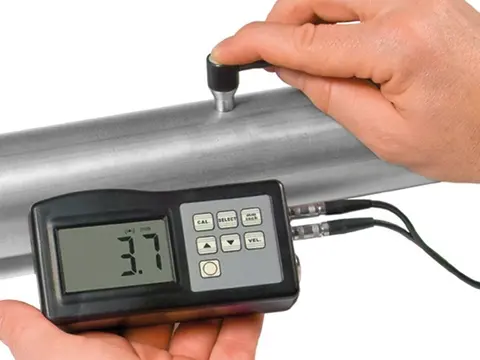
Digital Thickness Meter
Measure the metal left in your receivers and pipework, from the outside.
View product -
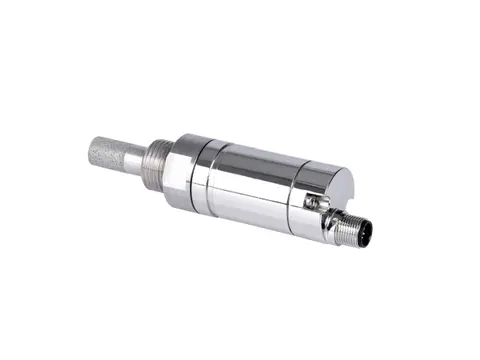
Dew Point Meter
Proof your air is dry, measured at line pressure.
View product -
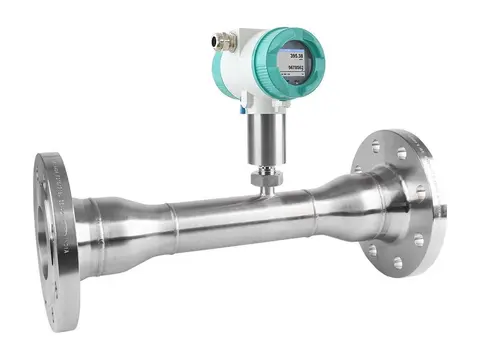
Flow Meter
True standard flow of your compressed air, whatever the line pressure.
View product -
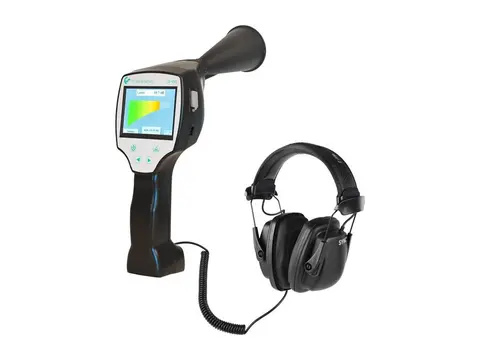
Leak Detector
Hear, locate and cost every compressed air leak in your plant.
View product -
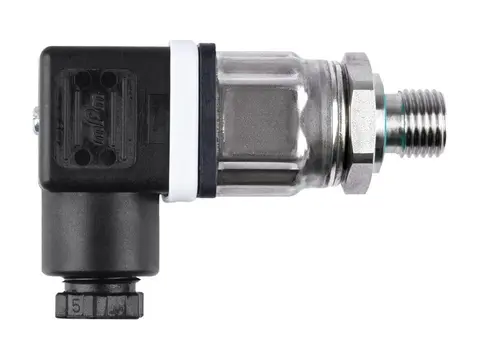
Pressure Sensor
Live pressure data from your compressor room to every point of use.
View product -
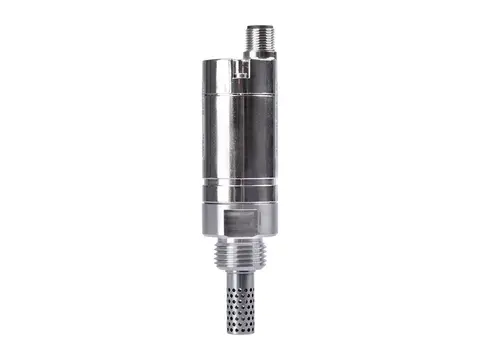
Humidity Meter
Humidity, temperature and dew point from one probe.
View product -
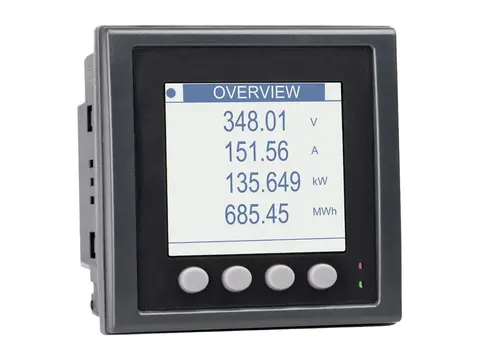
Power Meter
Measure the true power, energy and efficiency of your compressors.
View product
-
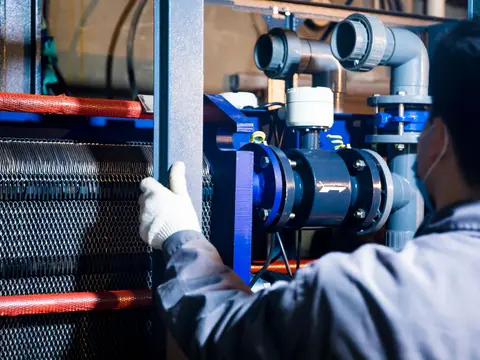
Health Testing of Compressed Air & Gas Dryers
Measured proof your dryer delivers its rated dew point.
View service -
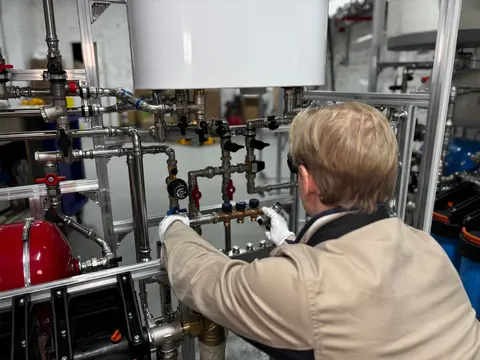
Commissioning and Service of Compressed Air & Gas Dryers
Verified dew point from first start-up through your dryer's service life.
View service -
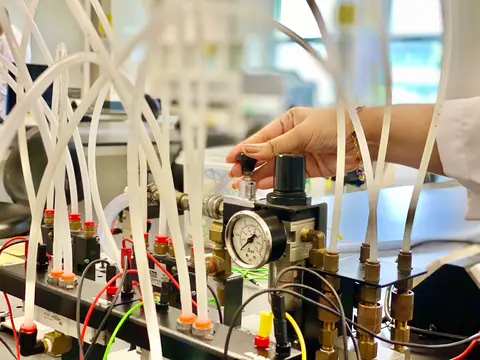
Compressed Air Quality Testing
Measured, documented proof of your compressed air purity class.
View service -
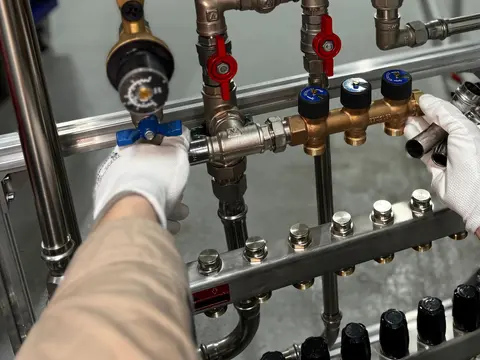
Dew Point Measurement Testing
Verified pressure dew point at the points that matter in your network.
View service -
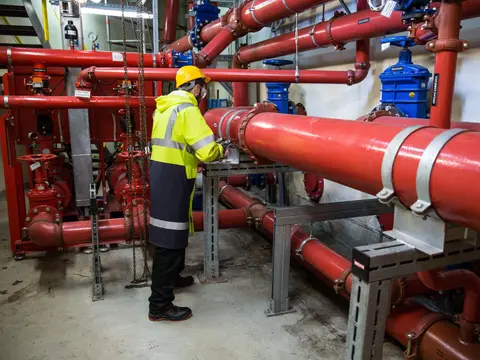
Compressed Air Flow Testing
Measured air demand, leakage and cost for your plant, not estimates.
View service -
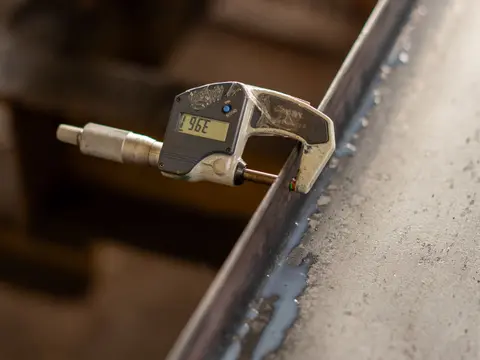
Wall Thickness Testing
Know the remaining wall, corrosion rate and safe life of your equipment.
View service -
Sourcing
Spares, consumables and whole systems for your plant, sourced globally.
View service
