
Measurement Equipments
Leak Detector
Track down the leaks your compressors are paying for, by sound, while your plant keeps running.
Product overview
Hear every leak, even beside a running compressor
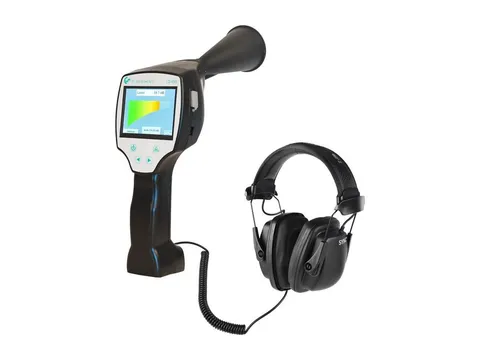
Our ultrasonic leak detector finds leaks in your compressed air and gas systems by the sound they make. Air escaping through a crack, loose thread, worn seal or perforated hose forms a turbulent jet that radiates sound, much of it between 20 kHz and 100 kHz. The detector receives a narrow band around 40 kHz, plays it as a hiss in your headphones and shows its intensity in decibels, so you follow the rising signal straight to the source.
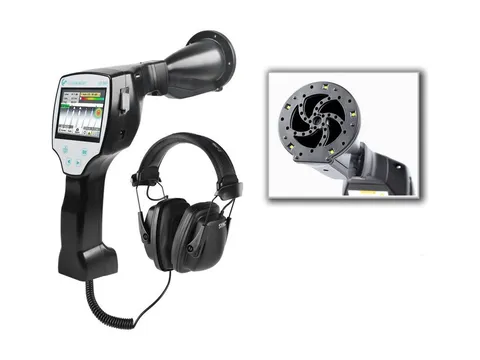
Motors, fans, gearboxes and conveyors make most of their noise below 10 kHz, and the 40 kHz receiver rejects it. A leak you could never hear beside a running compressor stays clear in the headphones, so you survey during production, without shutting down. A parabolic concentrator reaches overhead pipe racks from the floor, and a flexible probe reaches into machine frames and behind panels.
For each leak, the detector estimates the flow in litres per minute from the ultrasonic level, the distance and your system pressure, and converts it into annual energy consumption and cost. Every leak is tagged, photographed and logged, giving you a repair list ranked by cost.
- 40 kHzReceiving band, far above plant noise
- ±4°Reception with a 150 mm parabolic concentrator
- 74 l/minThrough an ideal 1 mm orifice at 7 bar g
- 20–30 %Of compressor output wasted by leaks in a typical plant
Benefits
The problems it solves
Leaks are the largest avoidable loss in a compressed air system. Here is why they go unfound, and how the detector changes that.
-
Leaks you cannot hear
The problem
In a plant at 80–90 dB(A), the hiss of a small leak is masked completely, and much of its energy lies above the 20 kHz limit of human hearing.
How it solves it
The detector listens at 40 kHz, where the leak signal dominates, so you find leaks during production with no shutdown.
-
Energy lost around the clock
The problem
At normal system pressure, leak flow does not fall when machines stop, so leaks set a base load your compressors supply for every hour the network stays pressurised.
How it solves it
Repairing the leaks you find removes that load, including through nights and weekends, and most repairs are just a fitting, seal, hose or a tightened joint.
-
Small holes, big bills
The problem
A real 1 mm hole at 7 bar g passes roughly 45–67 l/min of free air. At 6.5 kW per m³/min, a 60 l/min leak draws about 0.4 kW, around 3,400 kWh a year in a system that stays pressurised.
How it solves it
Each leak gets an estimated flow and cost, so your repair list puts the most expensive leaks first.
-
Replacing sound parts
The problem
On a crowded valve manifold, guessing which connection is leaking means replacing parts that were never at fault.
How it solves it
Directional reception traces the signal to a single fitting, thread or seal, so only the leaking part is replaced.
-
Ladders and permits
The problem
Leaks on ceiling headers, pipe racks and crane rails usually mean ladders, access platforms and work-at-height permits.
How it solves it
With the parabolic concentrator fitted, you locate overhead leaks from floor level.
-
Creeping setpoints
The problem
Leakage lowers pressure at the point of use, so setpoints get raised, and every additional 1 bar raises compressor energy by about 7 %.
How it solves it
Fixing leaks restores pressure at your machines, so your compressor setpoint can come back down.
Where it’s used
Wherever your plant runs on air
Any network under pressure can leak through its joints, couplings and seals. The detector finds those leaks wherever air and gas are used.
-

Automotive and components
Assembly lines with thousands of pneumatic cylinders, valves and couplings, each a potential leak point.
-

Food and beverage
Packaging, filling and conveying lines, and the nitrogen and carbon dioxide lines used for blanketing and carbonation.
-

Pharmaceuticals
Tablet presses, coating lines and cleanroom pneumatics that run around the clock, where leaks near product add contamination risk.
-

Textiles
Air-jet looms and spinning machines that consume large volumes of air through many small connections.
-

Plastics and packaging
Blow moulding at 30–40 bar g, which raises the flow through every opening.
-

Cement, glass, steel and mining
Long distribution networks running through dusty, noisy areas where leaks cannot be heard.
Also chemicals, oil and gas (with intrinsically safe versions for hazardous areas), hospital medical gas pipelines, power generation, vacuum systems, passing steam traps and valves, energy audits under ISO 11011:2013, and gaps in door seals, cabins and cleanroom panels.
How it works
Hear it, trace it, cost it
A leak's jet gives off ultrasound far above the noise of your plant. The detector tunes in to it, turns it into a sound you can hear, and leads you to the source.
-
1. The leakAbove about 0.9 bar g, air escapes through an opening at the speed of sound, 313 m/s at the throat. The turbulent jet radiates ultrasound across a broad spectrum, much of it between 20 kHz and 100 kHz.
-
2. Tune out the plantMachine noise sits mostly below 10 kHz. The parabolic concentrator focuses the ultrasound onto a piezoelectric sensor that resonates near 40 kHz, so only the leak's narrow band gets through.
-
3. Hear itThe detector mixes the signal with a 40 kHz oscillator, turning ultrasound between 38 kHz and 42 kHz into sound between 0 and 2 kHz. A leak comes through your headphones as a steady rushing hiss.
-
4. PinpointAt 40 kHz the wavelength is just 8.6 mm, so the sound travels in a narrow beam and fades within metres. The level in decibels peaks when the sensor faces the leak, and a second viewing angle confirms it.
-
5. Cost itFrom the level, your distance to the leak and the system pressure, the detector estimates the flow in l/min and converts it into energy and cost a year. Each leak is tagged, photographed and logged.
Throat velocity and wavelength quoted for air at 20 °C.
Get the full details
Our brochure covers it in detail, and our questionnaire tells us what we need to recommend the right one for your plant.
Keep exploring
More from our range
Equipment for every stage of your compressed air, and our own engineers to test, commission and look after it.
-
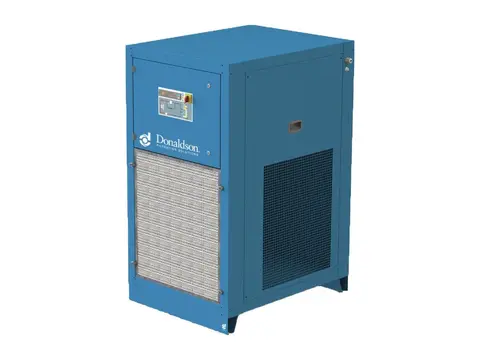
Refrigerated Air Dryers
Dry, condensate-free air for your plant, with no compressed air spent drying.
View product -
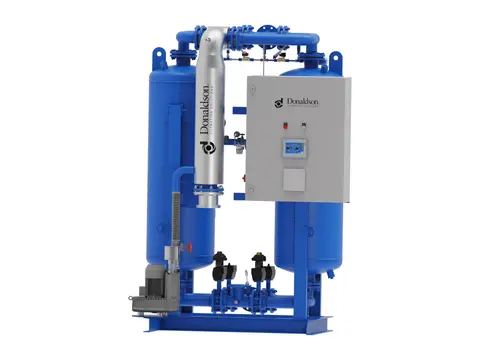
Heated Desiccant Dryers
Deep, stable dew points for your air, with heat doing the regeneration.
View product -
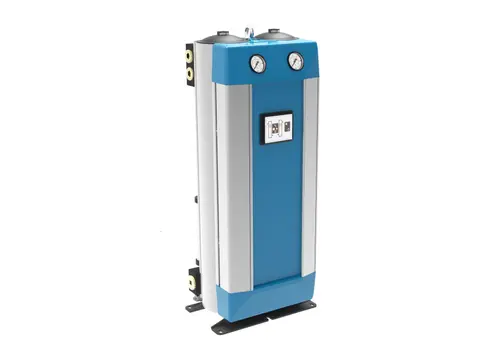
Heatless Desiccant Dryers
Deep dew points without heaters, for hazardous areas and remote sites.
View product -
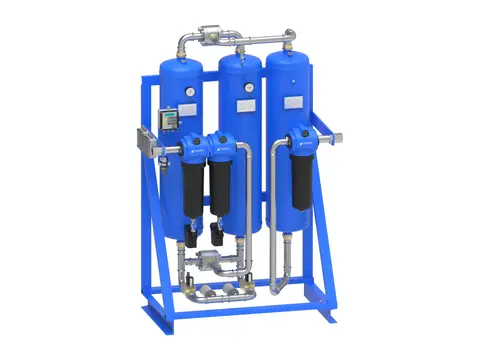
Breathing Air Systems
Your plant’s compressed air, made safe to breathe.
View product -
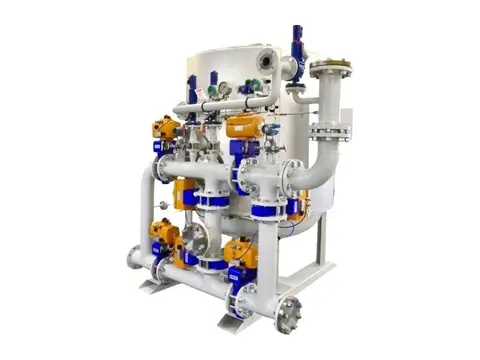
Hydrogen Dryers & De-Oxo Units
Electrolytic hydrogen purified of oxygen and water, ready for fuel cells.
View product -
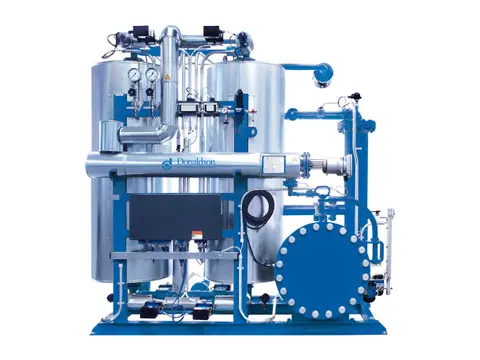
Biogas & Natural Gas Dryers
Dry, condensate-free fuel gas for your engines, boilers and upgrading plant.
View product -
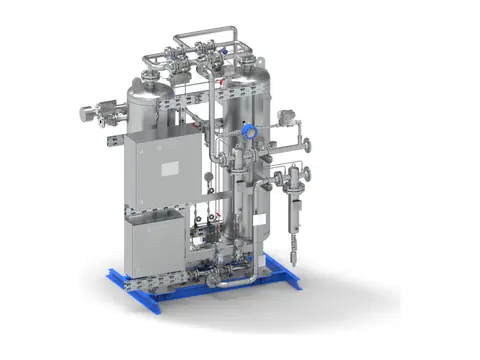
CO₂ Dryers
Beverage-grade dry CO₂ for your recovery plant, with no gas vented.
View product -
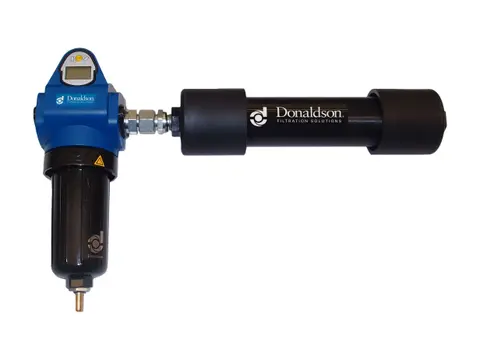
Membrane Dryers
Dry air at the point of use, with no power and no moving parts.
View product
-
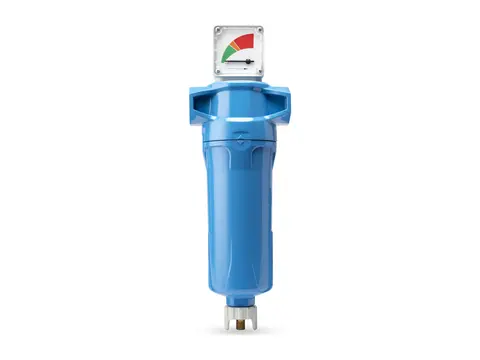
Coalescing Filters
Takes oil and water aerosols out of your air, down to 0.01 mg/m³.
View product -
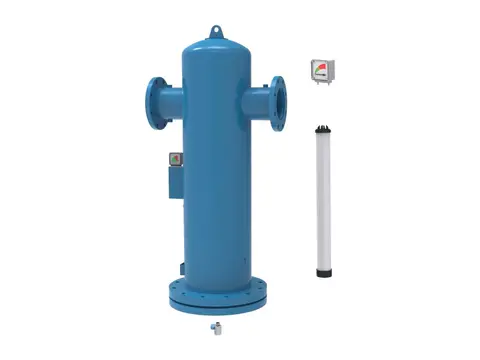
Particulate Filters
Dry, dust-free air for your plant, down to 0.01 µm particles.
View product -
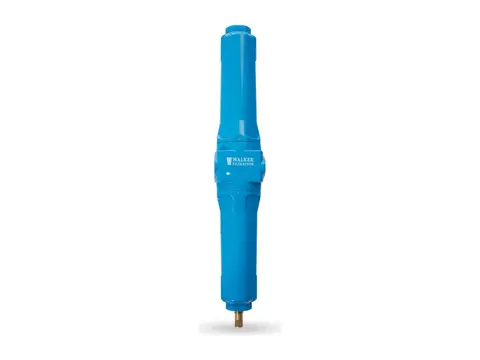
Compressed Air Duplex Filters
Change filter elements without interrupting your air supply.
View product -
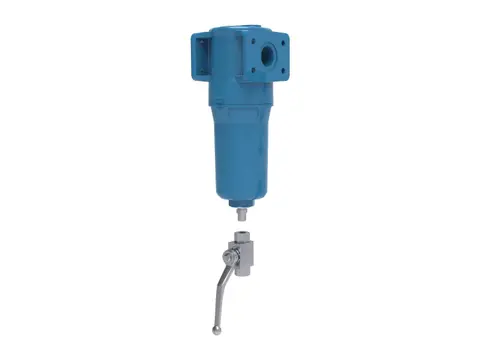
High Pressure Filters
Certified air purity for your high-pressure lines, up to 350 bar g.
View product -
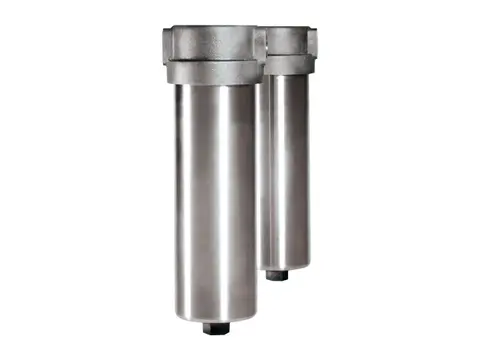
High Temperature Filters
Particle-free compressed air and gas where your process runs hot.
View product -
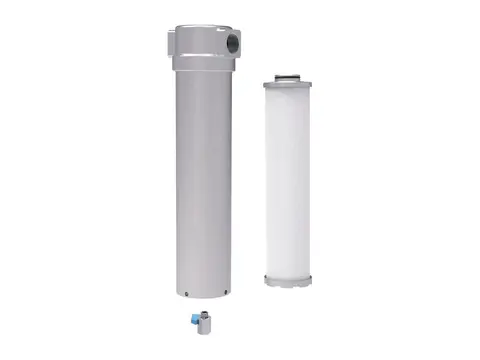
Ammonia and Refrigerant Filters
Keeps compressor oil out of your condensers and evaporators.
View product -
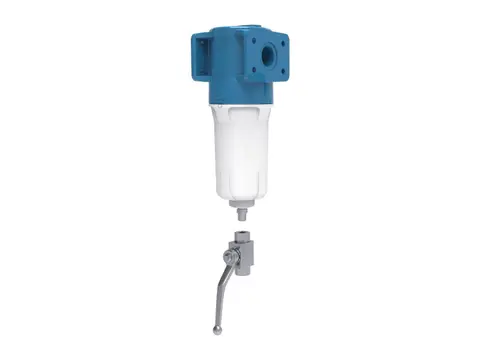
Oxygen Filters
Particle-free oxygen for your system, without adding an ignition source.
View product -
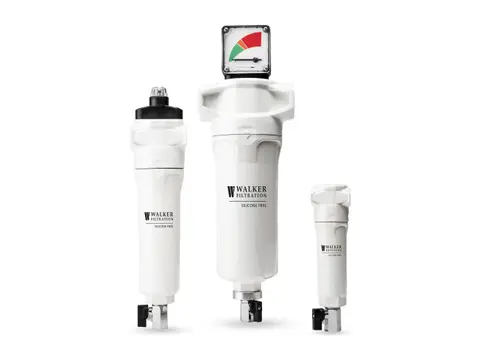
Silicone-Free Filters
Crater-free paint finishes, from air free of paint-wetting contaminants.
View product -
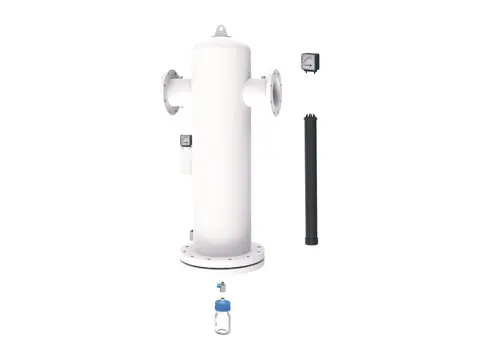
Medical Vacuum Filters
Keeps pathogens from hospital suction away from your pumps and exhaust.
View product -
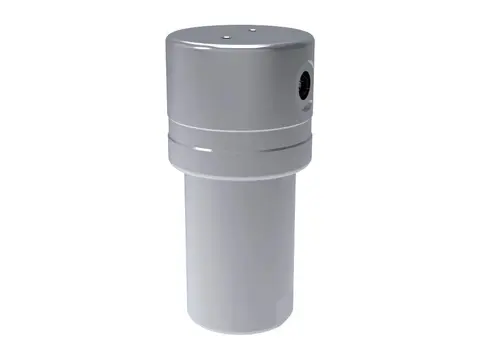
Hydrogen Filters
Particle, aerosol and oil-free hydrogen, from electrolyser to dispenser.
View product -
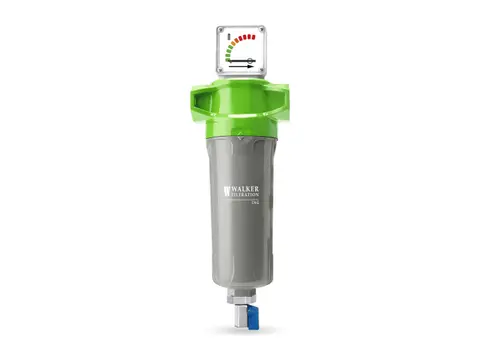
CNG Filters
Oil-free, particle-free natural gas from your compressor to the vehicle.
View product
-
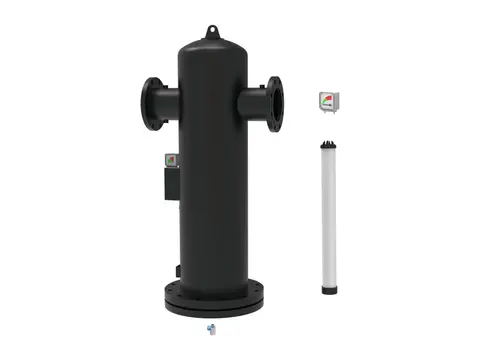
Centrifugal Moisture Separators
Bulk liquid out of your air by centrifugal force, with no element to replace.
View product -
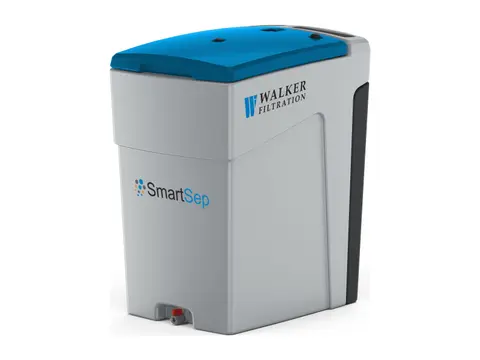
Oil Water Separator
Turns oily compressor condensate into water fit for sewer discharge.
View product -
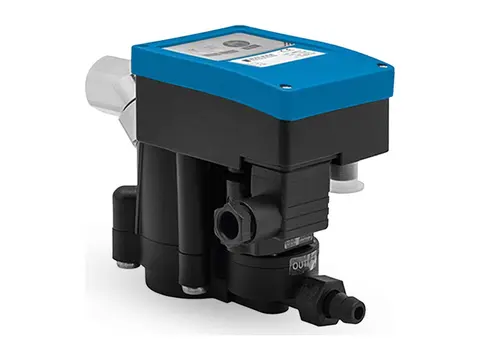
Zero-Loss Electronic Drain
Discharges every drop of condensate from your system, never your compressed air.
View product -
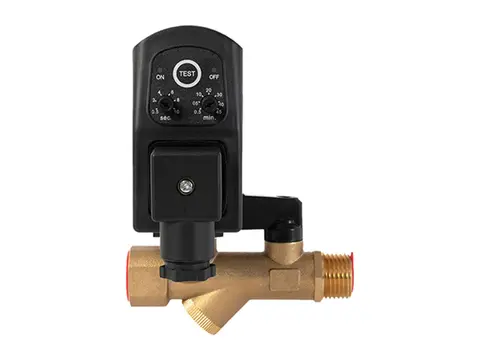
Timer Drain
Scheduled, positive condensate discharge from any collection point in your system.
View product -
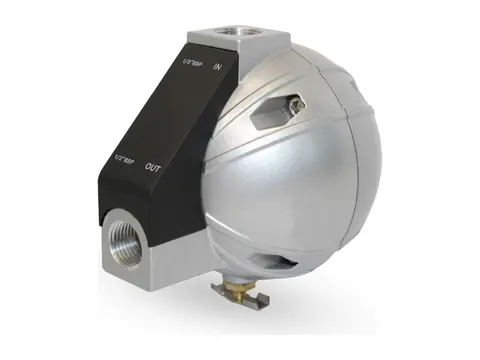
Mechanical Float Drain
Buoyancy-driven condensate removal with no power and no air loss.
View product -
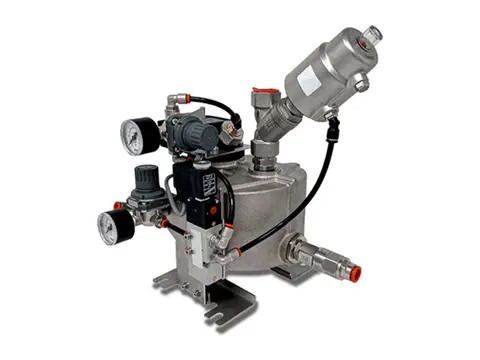
Vacuum Drain
Empties liquid from your vacuum system without breaking the vacuum.
View product
-
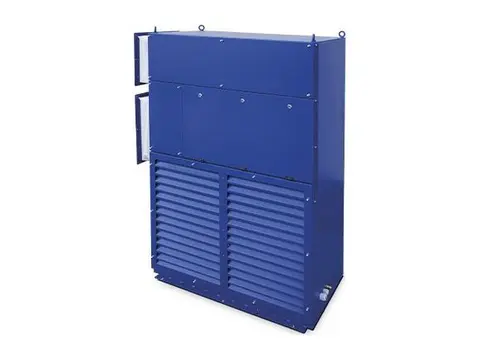
Crane Air Conditioner
Cool, clean cabins and electrical rooms for cranes working in extreme heat.
View product -
Tent Air Conditioner
Controlled climate for your tents, shelters and temporary structures.
View product -
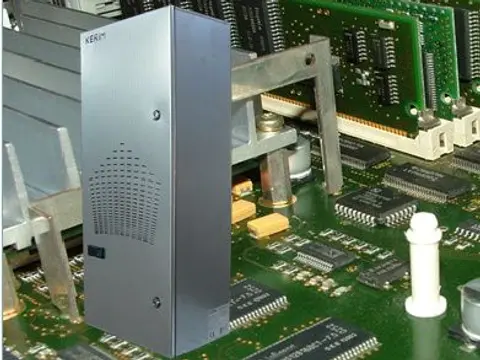
Panel Air Conditioner
Cool, clean, dry control panels, even in your hottest, dirtiest plant areas.
View product -
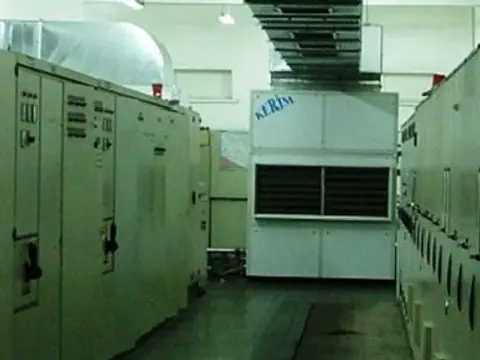
Air / Water Cooled Air Conditioner
Stable room temperatures for your electrical rooms in extreme plant heat.
View product
-
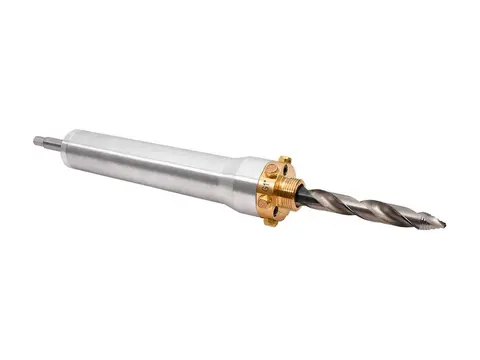
Hot Tapping
Add measurement ports to your live air lines without stopping production.
View product -
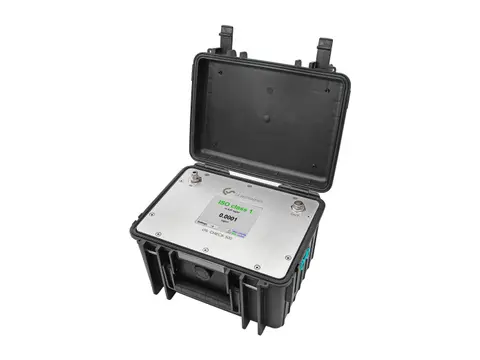
Compressed Air Quality Measurement
Prove your air's ISO 8573-1 purity: particles, oil and dew point.
View product -
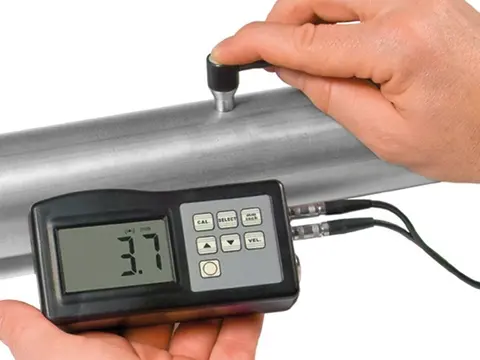
Digital Thickness Meter
Measure the metal left in your receivers and pipework, from the outside.
View product -
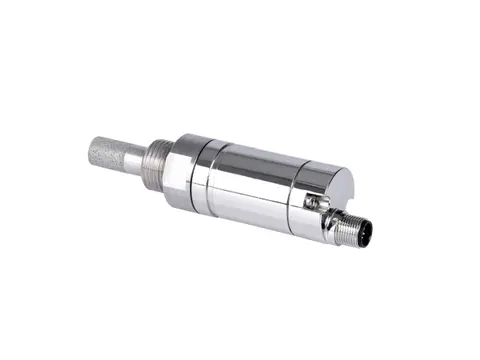
Dew Point Meter
Proof your air is dry, measured at line pressure.
View product -
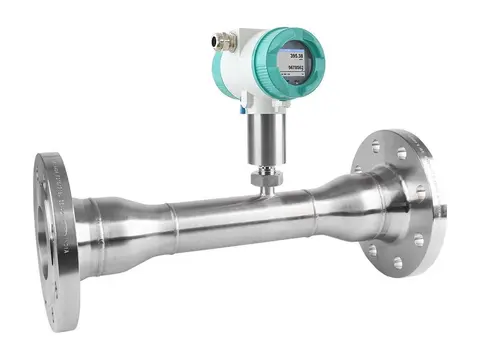
Flow Meter
True standard flow of your compressed air, whatever the line pressure.
View product -
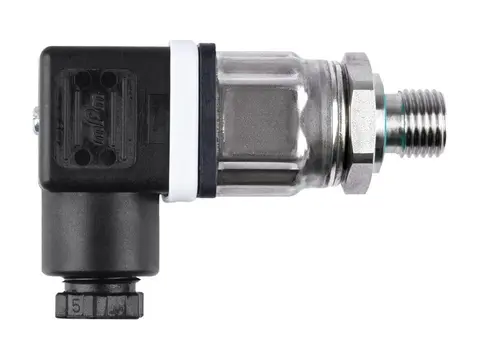
Pressure Sensor
Live pressure data from your compressor room to every point of use.
View product -
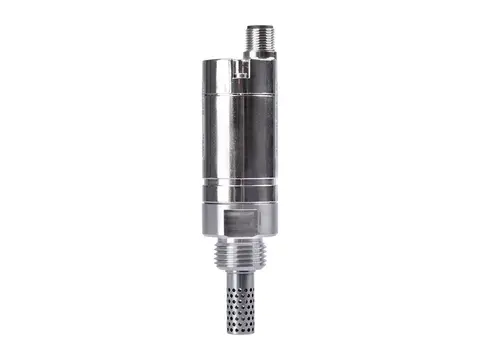
Humidity Meter
Humidity, temperature and dew point from one probe.
View product -
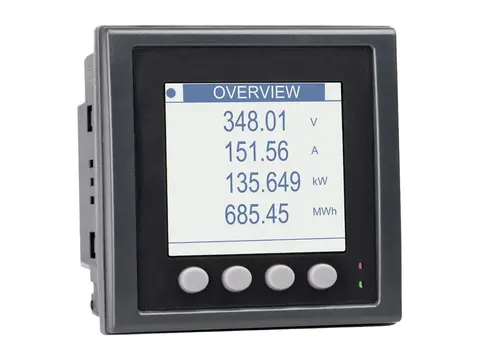
Power Meter
Measure the true power, energy and efficiency of your compressors.
View product
-
Health Testing of Compressed Air & Gas Dryers
Measured proof your dryer delivers its rated dew point.
View service -
Commissioning and Service of Compressed Air & Gas Dryers
Verified dew point from first start-up through your dryer's service life.
View service -
Compressed Air Quality Testing
Measured, documented proof of your compressed air purity class.
View service -
Dew Point Measurement Testing
Verified pressure dew point at the points that matter in your network.
View service -
Compressed Air Flow Testing
Measured air demand, leakage and cost for your plant, not estimates.
View service -
Wall Thickness Testing
Know the remaining wall, corrosion rate and safe life of your equipment.
View service -
Sourcing
Spares, consumables and whole systems for your plant, sourced globally.
View service
