

Compressed Air & Gas Dryers
Refrigerated Air Dryer
Dry, dependable air across your whole plant, without spending a drop of compressed air to make it.
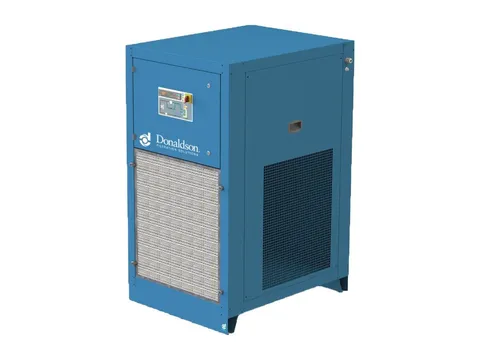
Product overview
Dry air for your plant, without spending compressed air to make it
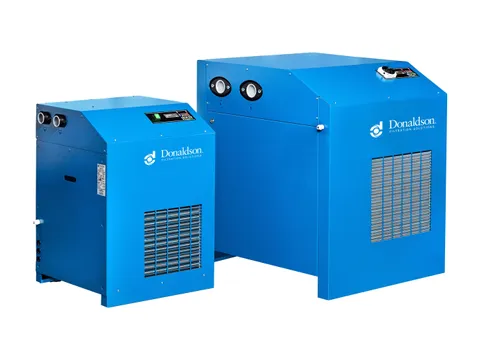
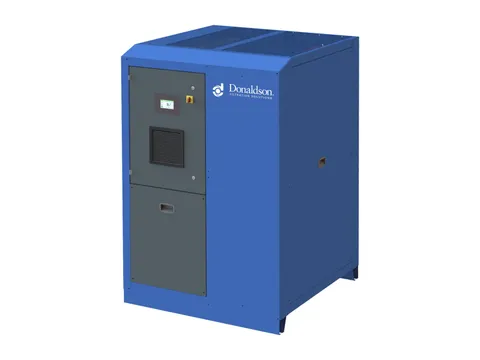
Our refrigerated air dryer cools your compressed air until its excess water vapour condenses, separates and drains that water away, then rewarms the air before it leaves. It delivers a pressure dew point as low as +3 °C, so no liquid can form anywhere your network stays warmer than that, which covers most indoor systems.
Air saturated at 35 °C and 7 bar g carries about 5.3 kg of water an hour for every 1,000 m³/h of free air. The dryer takes out about 87 % of it, roughly 110 litres of condensate a day at continuous full load, and discharges it through an automatic drain.
With a general-purpose filter upstream and a high-efficiency coalescing filter downstream, it forms the core of a system delivering ISO 8573-1 Class 1:4:1 or 2:4:2 air, for general manufacturing, instrument air in heated buildings and indirect food contact.
- +3 °CPressure dew point
- Class 4ISO 8573-1:2010 water class
- About 87 %Of the water removed at the dryer
- ZeroCompressed air used for drying
Benefits
The problems it solves
Compressing air packs its water in with it. Here is what that water does to a plant, and how the dryer stops it.
-
Rust in your pipework
The problem
Rust flakes from wet pipework block orifices, jam valve spools and score cylinder bores.
How it solves it
Pipework above +3 °C stays free of condensate all year, so your steel network stays free of internal rust.
-
Worn seals and tools
The problem
Condensate strips grease from cylinder seals and air tools, raising friction and wear.
How it solves it
With the water taken out at the dryer, your valves, cylinders, instruments and tools keep their lubrication and last longer.
-
Spoiled product
The problem
Water droplets cause fisheyes and blistering in paint, spotting in blow-off and stains on yarn and fabric.
How it solves it
No liquid can form in a network kept above +3 °C, so none reaches your point of use.
-
Drains all over the plant
The problem
Drip legs and low-point drains spread across the network, venting compressed air when they fail.
How it solves it
Water and coalesced oil leave through one drain at the dryer, piped to your oil–water separator.
-
Sweating pipes
The problem
Cold, dried air makes pipework sweat on the outside in a humid compressor room or production hall.
How it solves it
The dryer rewarms the air before it leaves, so your pipes stay dry outside as well as in.
-
Audits and warranties
The problem
Customers, auditors and machine warranties name the air quality class you have to meet.
How it solves it
A dew point reading at the outlet documents ISO 8573-1 Class 4 for audits and customer specifications.
Where it’s used
Wherever plant air runs indoors
Most plant air runs through heated buildings where pipes stay above 10 °C all year. That is exactly where a +3 °C dew point keeps the whole network dry.
-

Automotive and engineering
Assembly tools, robotic grippers, machine tool clamping and spindle air, and paint shop supply.
-

Food and beverage
Air in indirect contact with food, such as packaging machinery and actuators, to BCAS Guideline 102 Class 2:4:2.
-
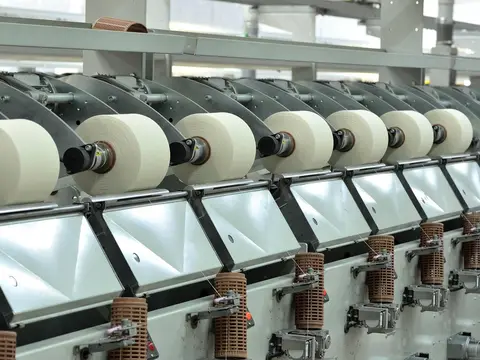
Textiles
Air-jet looms, texturising and splicing, where condensate stains yarn and fabric.
-

Plastics
Injection moulding robots, mould ejection and blow moulding pilot air.
-

Pharmaceutical utilities
Plant air for valve actuation and services that do not touch the product.
-

Process plant instrument air
Instrument air in heated buildings where pipework stays at or above 13 °C, meeting ISA-7.0.01.
Also general manufacturing, packaging and printing, woodworking and furniture, workshops and garages, hospitals and laboratories, and pre-drying ahead of desiccant dryers and nitrogen generators.
How it works
Cool, separate, rewarm
A closed refrigeration circuit chills your air until its water condenses out. The dry air is then warmed back up before it reaches your pipework.
-
1. Pre-coolWarm, saturated air at 35 °C enters the air-to-air heat exchanger and is cooled to about 21 °C by the cold, dry air leaving. About 60 % of the condensate already forms here.
-
2. ChillIn the evaporator, boiling refrigerant cools the air to about +3 °C, and the rest of the surplus water vapour condenses into droplets.
-
3. Separate and drainThe moisture separator throws the droplets out of the air, and the automatic drain discharges them.
-
4. RewarmThe cold, dry air passes back through the heat exchanger and leaves at about 25 °C. Its water content is unchanged, so its dew point stays at +3 °C while its relative humidity falls to about 24 %.
-
5. The refrigeration circuitThe refrigerant compressor raises the refrigerant's pressure, the condenser rejects the heat to ambient air or cooling water, and the expansion valve drops the pressure so the refrigerant boils in the evaporator again. The evaporator is held just above freezing, so the condensate never turns to ice.
Typical figures at 7 bar g, with saturated inlet air at 35 °C.
Get the full details
Our brochure covers it in detail, and our questionnaire tells us what we need to recommend the right one for your plant.
Keep exploring
More from our range
Equipment for every stage of your compressed air, and our own engineers to test, commission and look after it.
-
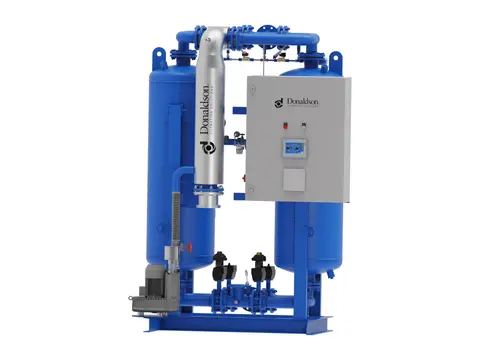
Heated Desiccant Dryers
Deep, stable dew points for your air, with heat doing the regeneration.
View product -
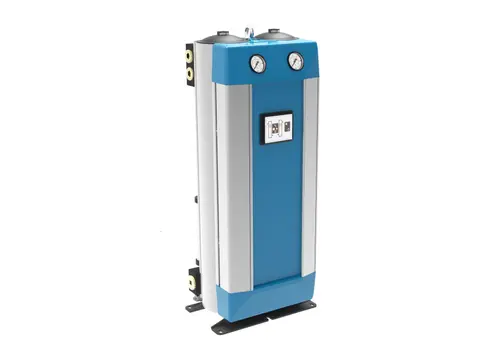
Heatless Desiccant Dryers
Deep dew points without heaters, for hazardous areas and remote sites.
View product -
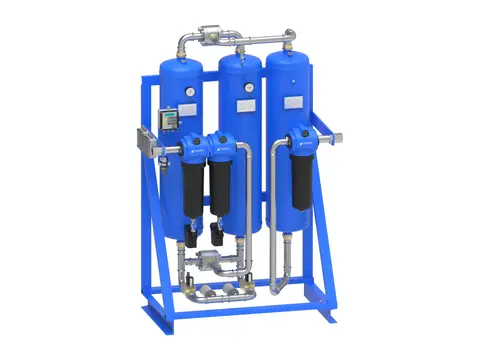
Breathing Air Systems
Your plant’s compressed air, made safe to breathe.
View product -
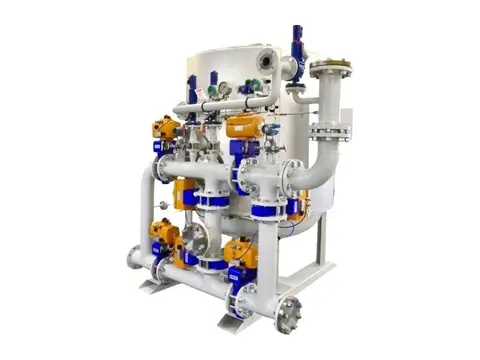
Hydrogen Dryers & De-Oxo Units
Electrolytic hydrogen purified of oxygen and water, ready for fuel cells.
View product -
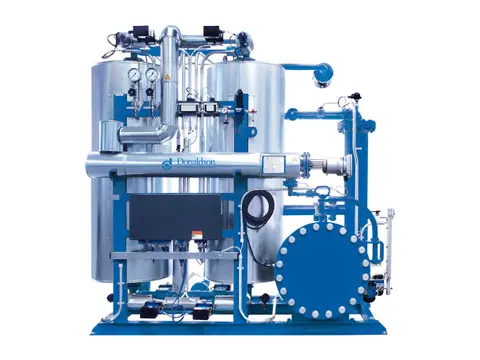
Biogas & Natural Gas Dryers
Dry, condensate-free fuel gas for your engines, boilers and upgrading plant.
View product -
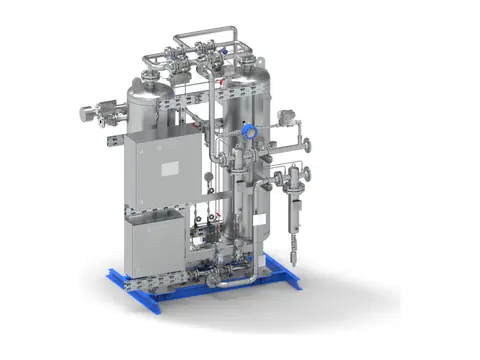
CO₂ Dryers
Beverage-grade dry CO₂ for your recovery plant, with no gas vented.
View product -
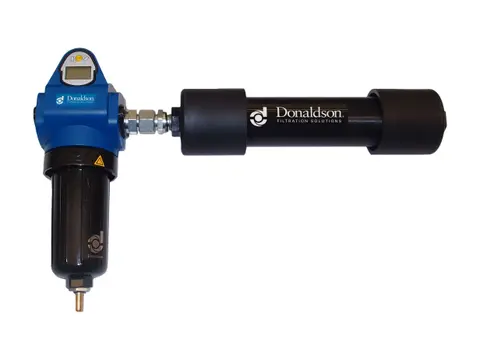
Membrane Dryers
Dry air at the point of use, with no power and no moving parts.
View product
-
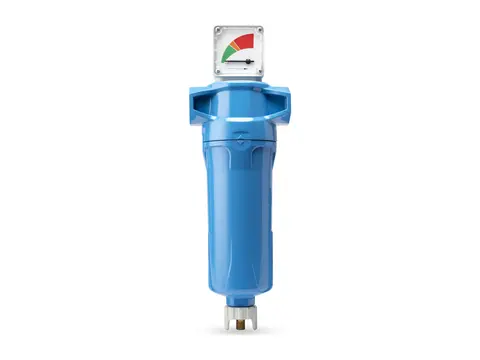
Coalescing Filters
Takes oil and water aerosols out of your air, down to 0.01 mg/m³.
View product -
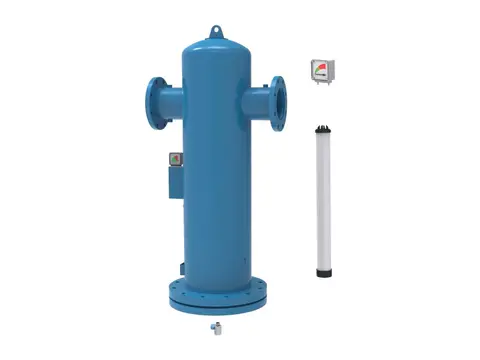
Particulate Filters
Dry, dust-free air for your plant, down to 0.01 µm particles.
View product -
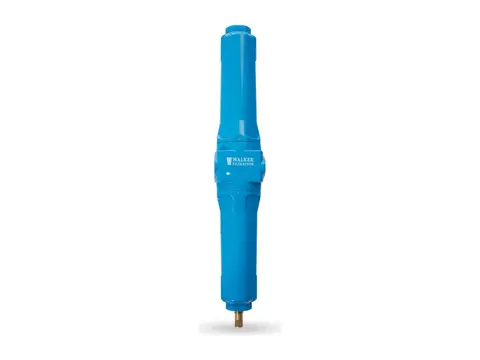
Compressed Air Duplex Filters
Change filter elements without interrupting your air supply.
View product -
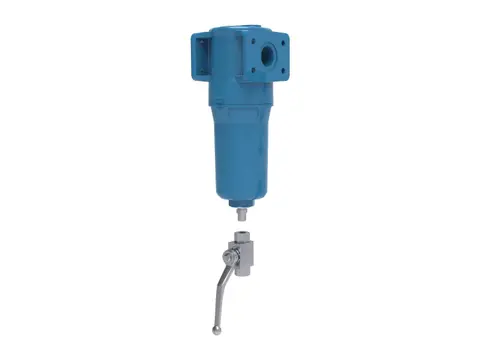
High Pressure Filters
Certified air purity for your high-pressure lines, up to 350 bar g.
View product -
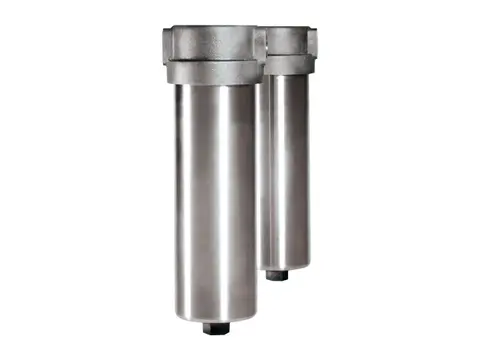
High Temperature Filters
Particle-free compressed air and gas where your process runs hot.
View product -
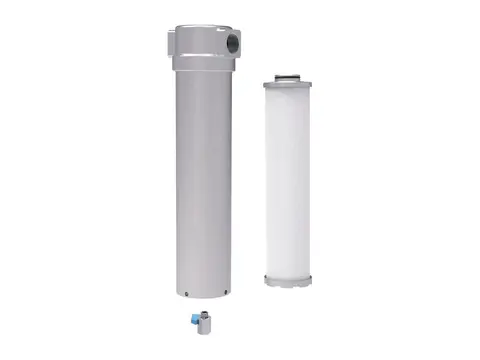
Ammonia and Refrigerant Filters
Keeps compressor oil out of your condensers and evaporators.
View product -
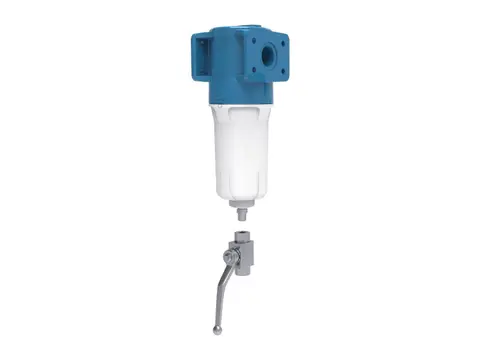
Oxygen Filters
Particle-free oxygen for your system, without adding an ignition source.
View product -
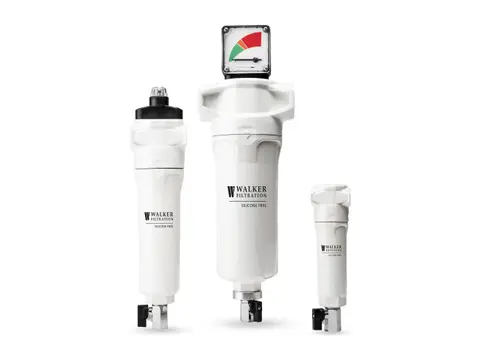
Silicone-Free Filters
Crater-free paint finishes, from air free of paint-wetting contaminants.
View product -
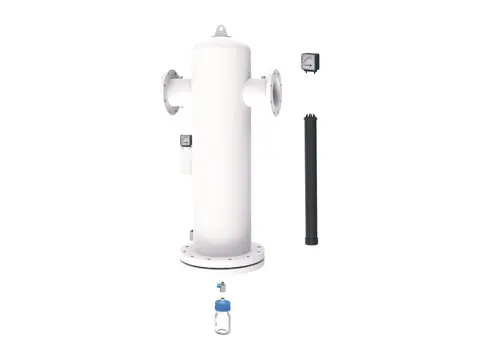
Medical Vacuum Filters
Keeps pathogens from hospital suction away from your pumps and exhaust.
View product -
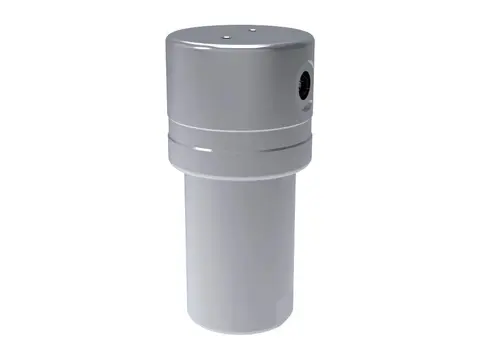
Hydrogen Filters
Particle, aerosol and oil-free hydrogen, from electrolyser to dispenser.
View product -
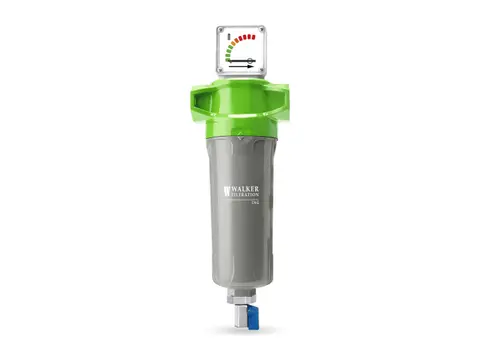
CNG Filters
Oil-free, particle-free natural gas from your compressor to the vehicle.
View product
-
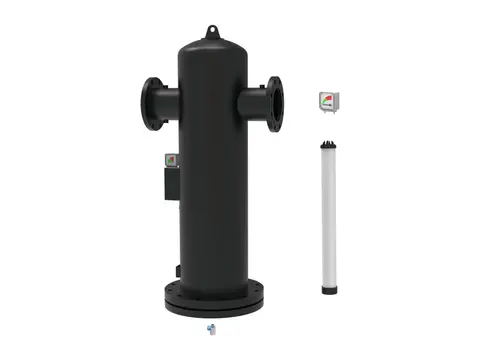
Centrifugal Moisture Separators
Bulk liquid out of your air by centrifugal force, with no element to replace.
View product -
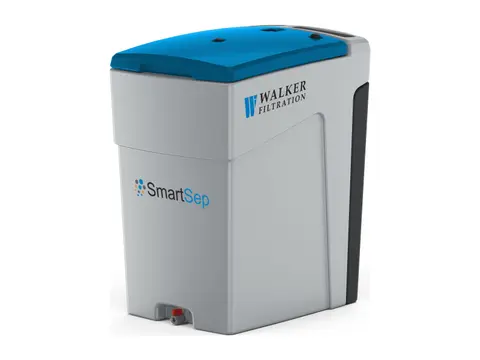
Oil Water Separator
Turns oily compressor condensate into water fit for sewer discharge.
View product -
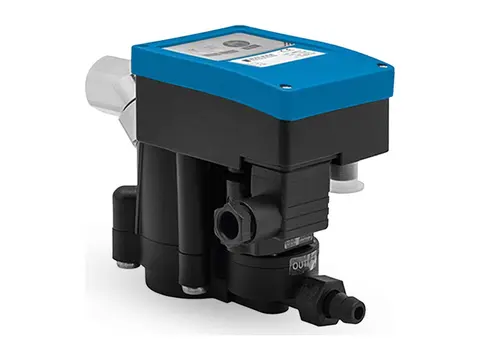
Zero-Loss Electronic Drain
Discharges every drop of condensate from your system, never your compressed air.
View product -
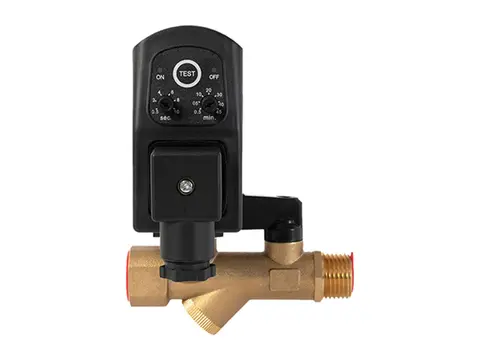
Timer Drain
Scheduled, positive condensate discharge from any collection point in your system.
View product -
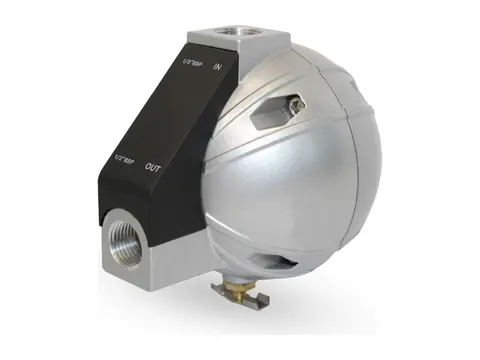
Mechanical Float Drain
Buoyancy-driven condensate removal with no power and no air loss.
View product -
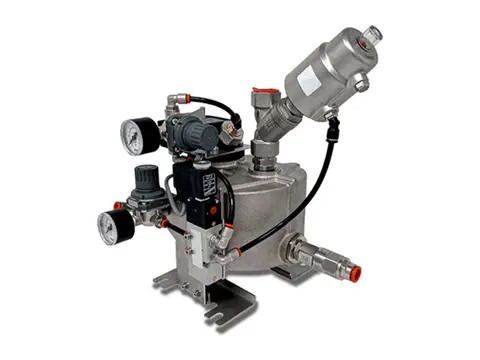
Vacuum Drain
Empties liquid from your vacuum system without breaking the vacuum.
View product
-
Crane Air Conditioner
Cool, clean cabins and electrical rooms for cranes working in extreme heat.
View product -
Tent Air Conditioner
Controlled climate for your tents, shelters and temporary structures.
View product -
Panel Air Conditioner
Cool, clean, dry control panels, even in your hottest, dirtiest plant areas.
View product -
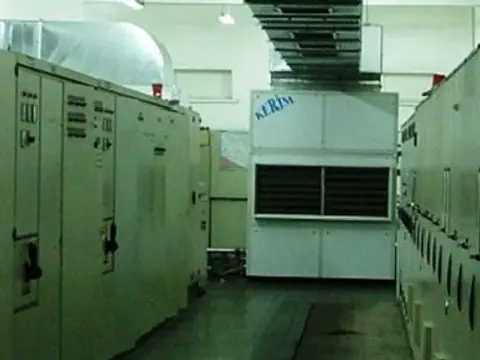
Air / Water Cooled Air Conditioner
Stable room temperatures for your electrical rooms in extreme plant heat.
View product
-
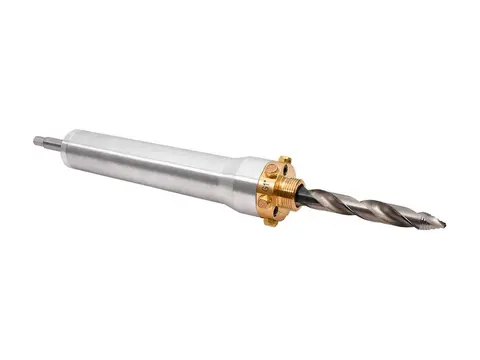
Hot Tapping
Add measurement ports to your live air lines without stopping production.
View product -
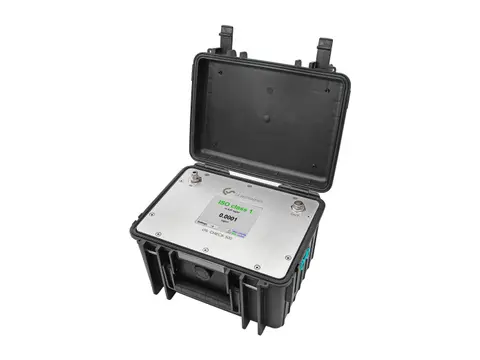
Compressed Air Quality Measurement
Prove your air's ISO 8573-1 purity: particles, oil and dew point.
View product -
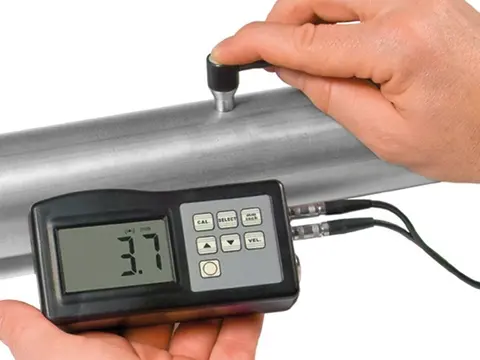
Digital Thickness Meter
Measure the metal left in your receivers and pipework, from the outside.
View product -
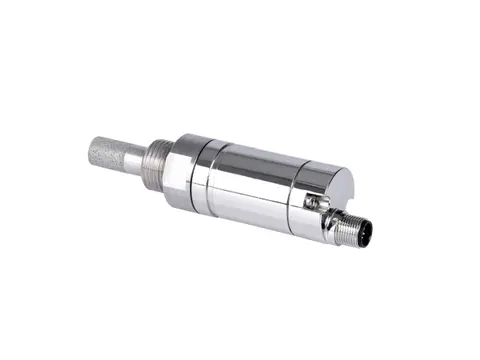
Dew Point Meter
Proof your air is dry, measured at line pressure.
View product -
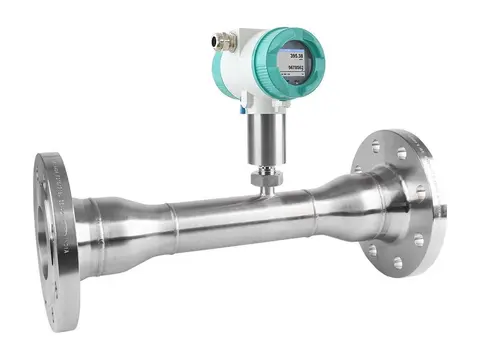
Flow Meter
True standard flow of your compressed air, whatever the line pressure.
View product -
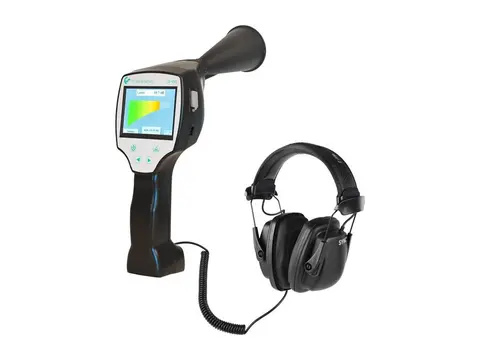
Leak Detector
Hear, locate and cost every compressed air leak in your plant.
View product -
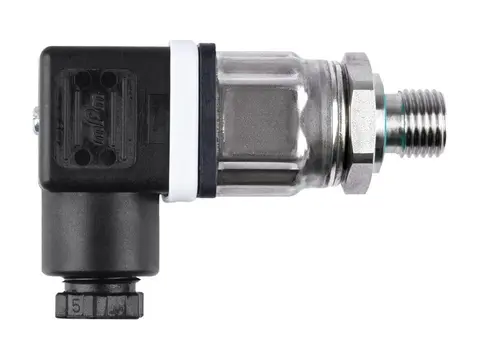
Pressure Sensor
Live pressure data from your compressor room to every point of use.
View product -
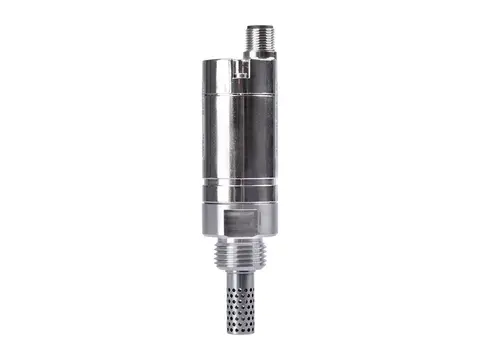
Humidity Meter
Humidity, temperature and dew point from one probe.
View product -
Power Meter
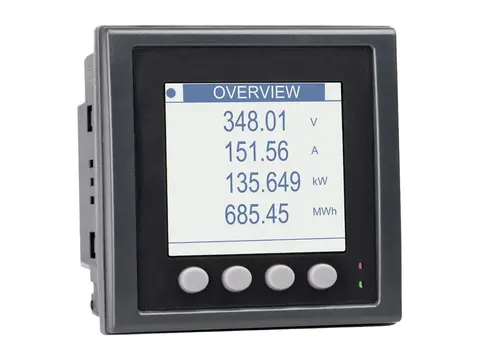
Measure the true power, energy and efficiency of your compressors.
View product
-
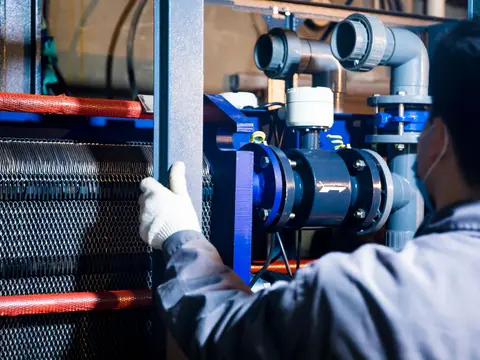
Health Testing of Compressed Air & Gas Dryers
Measured proof your dryer delivers its rated dew point.
View service -
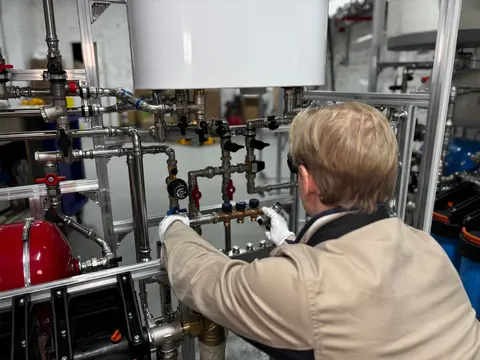
Commissioning and Service of Compressed Air & Gas Dryers
Verified dew point from first start-up through your dryer's service life.
View service -
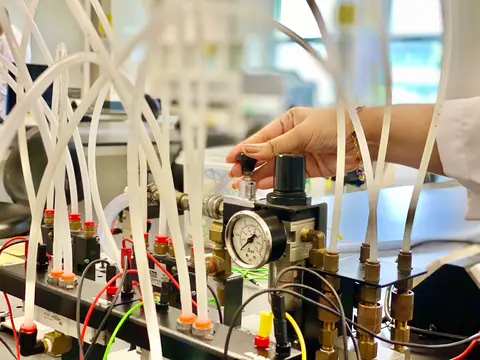
Compressed Air Quality Testing
Measured, documented proof of your compressed air purity class.
View service -
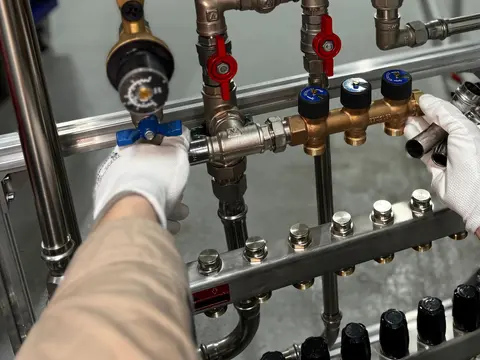
Dew Point Measurement Testing
Verified pressure dew point at the points that matter in your network.
View service -
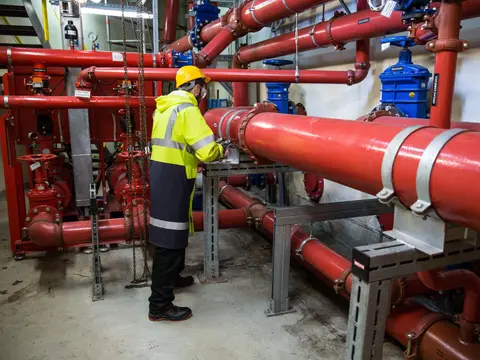
Compressed Air Flow Testing
Measured air demand, leakage and cost for your plant, not estimates.
View service -
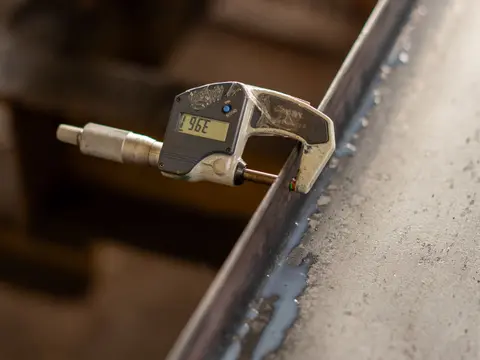
Wall Thickness Testing
Know the remaining wall, corrosion rate and safe life of your equipment.
View service -
Sourcing
Spares, consumables and whole systems for your plant, sourced globally.
View service
