
Compressed Air & Gas Filters
Coalescing Filter
Catch the fine oil and water mist no separator can, and keep it out of every valve, tool and product your air touches.
Product overview
Oil-free, liquid-free air, right where your process needs it
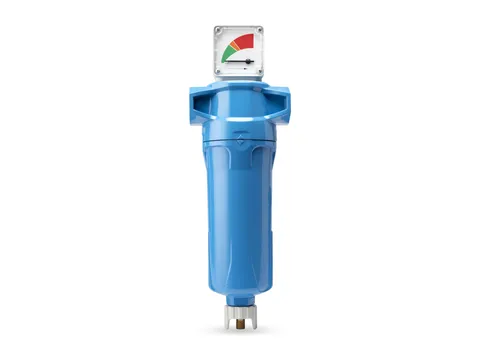
Your compressed air carries liquid in a form no separator or receiver can remove: a mist of oil droplets mostly below 1 µm from the compressor, a fog of water from the aftercooler, dryer and pipework, and hydrocarbon aerosol drawn in from the air around your plant. Our coalescing filter collects it in a dense bed of fibres, merges it into drops large enough to drain, and sends it to an automatic drain.
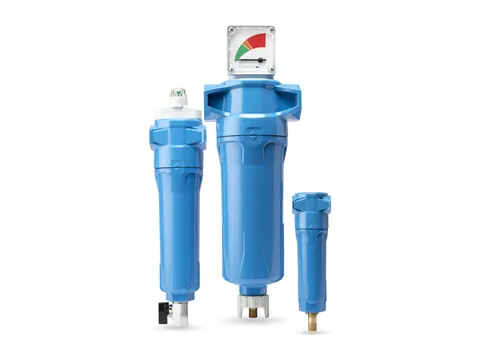
The general-purpose grade removes particles down to 1 µm and reduces oil aerosol to about 0.5 mg/m³. The high-efficiency grade, installed after it, removes particles down to 0.01 µm and reduces oil aerosol to about 0.01 mg/m³. Oil removal is tested under ISO 12500-1.
The same filters clean nitrogen, carbon dioxide, natural gas and biogas, removing compressor lubricant, glycol and hydrocarbon condensate.
- 0.01 mg/m³Oil aerosol, high-efficiency grade
- 0.01 µmParticle removal, high-efficiency grade
- 99.67 %Of the oil aerosol removed, in a 3 mg/m³ example
- 12 monthsElement change interval
Benefits
The problems it solves
Even an oil-free compressor delivers air carrying hydrocarbons and water. Here is what that mist does in a plant, and how the filter stops it.
-
Gummed valves and instruments
The problem
Oil and water mix into a sticky emulsion that washes lubricant from cylinder seals, gums valve spools and narrows the orifices in positioners and transmitters.
How it solves it
Oil aerosol taken down to about 0.01 mg/m³ keeps your cylinders, valves, tools and positioners free of gumming, washout and blockage.
-
Spoiled finishes and products
The problem
Oil on painted, coated or bonded surfaces stops adhesion, and oil in air that touches food or medicines is a direct contaminant.
How it solves it
Painted, coated, packaged and moulded products stay free of oil defects.
-
Fouled dryers and generators
The problem
Oil permanently reduces the capacity of desiccant, activated carbon and nitrogen generator media.
How it solves it
Removing oil before it deposits lets your desiccant, carbon and nitrogen generation media last their full service life.
-
A filter that fills up
The problem
A filter that stores what it catches would soon be saturated with oil and water.
How it solves it
Captured liquid drains away as it forms, so the filter keeps working continuously between element changes.
-
Standards you must meet
The problem
Food, medical, breathing air and instrument air standards all set an oil limit, from 0.01 mg/m³ for direct food contact to 0.5 mg/m³ for breathing air.
How it solves it
The filters provide the oil and particle removal these standards demand, with ratings tested under ISO 12500-1 as a defined basis for your specification.
-
Energy lost to pressure drop
The problem
A saturated element holds back pressure the compressor must make up, and every bar of extra discharge pressure raises compressor energy by about 7 %.
How it solves it
A clean, correctly selected element holds a small pressure drop, and an annual element change keeps it there.
Where it’s used
Wherever oil in the air would do harm
Any process where air touches the product, feeds an instrument or protects further treatment needs the oil taken out first.
-

Food and beverage
Bottle blowing, packaging, product conveying and aeration of mixes, where BCAS Guideline 102 sets Class 1:2:1 for direct food contact.
-
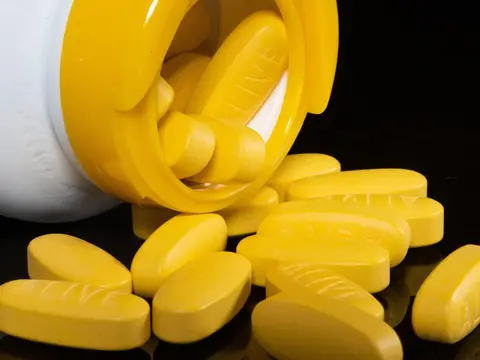
Pharmaceuticals
Tablet coating, fluid-bed granulation and blister packing, where GMP audits require documented air quality.
-

Spray painting and powder coating
Where oil droplets cause cratering, fisheyes and poor adhesion.
-

Automotive
Assembly tools, sealant dispensing and paint shops use filtered air throughout.
-
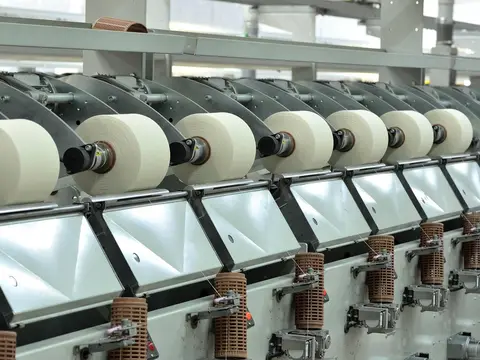
Textiles
Air-jet looms blow air directly onto yarn, where oil stains the fabric.
-

Plastics
PET blow moulding, where the air contacts the inside of the container.
Also medical and dental air, breathing air, instrument air, electronics and semiconductors, laser cutting, nitrogen generators, oil and gas, and CNG and biogas.
How it works
Capture, coalesce, drain
Droplets this small follow the air round every bend, so only a dense bed of fibres can catch them. The filter then turns the mist into liquid and drains it away.
-
1. Air entersOily, wet air enters the head and turns down into the open core of the element.
-
2. Capture in the fibresThe air passes outward through a deep bed of glass microfibres. Droplets and particles are caught by impaction above about 1 µm, interception from about 0.1 to 1 µm, and diffusion below about 0.1 µm.
-
3. CoalesceCaptured droplets merge into larger drops and are pushed to the outer face. There they run down the drainage layer and fall into the bowl.
-
4. DrainThe automatic drain releases the collected oil and water when the level rises. Route it to an oil–water separator, not a surface drain.
-
5. Clean air outThe clean air rises between element and bowl and leaves through the outlet. The differential pressure gauge shows when the element needs changing.
Ratings are stated at an inlet temperature of about 20 °C, for the high-efficiency grade.
Get the full details
Our brochure covers it in detail, and our questionnaire tells us what we need to recommend the right one for your plant.
Keep exploring
More from our range
Equipment for every stage of your compressed air, and our own engineers to test, commission and look after it.
-
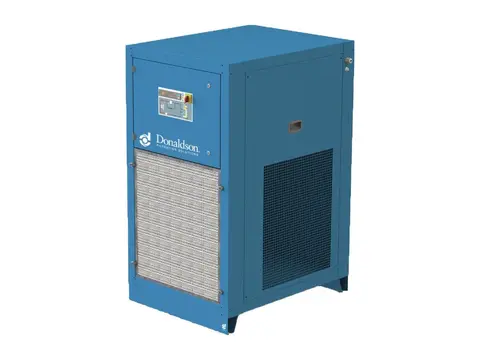
Refrigerated Air Dryers
Dry, condensate-free air for your plant, with no compressed air spent drying.
View product -
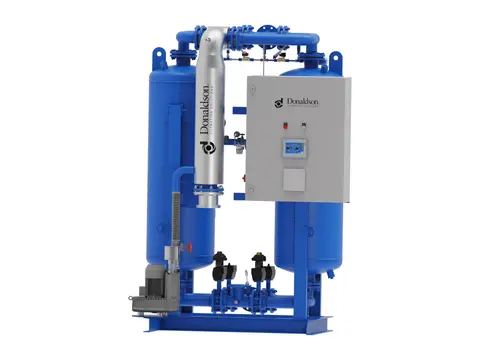
Heated Desiccant Dryers
Deep, stable dew points for your air, with heat doing the regeneration.
View product -
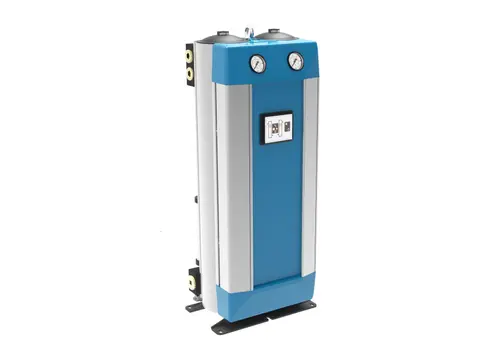
Heatless Desiccant Dryers
Deep dew points without heaters, for hazardous areas and remote sites.
View product -
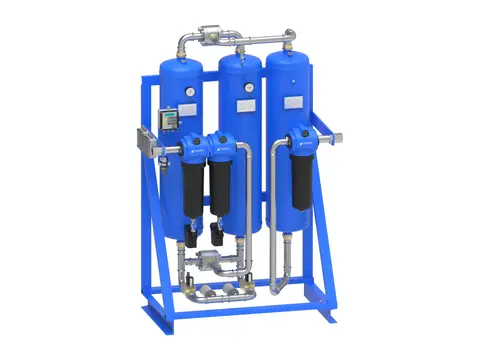
Breathing Air Systems
Your plant’s compressed air, made safe to breathe.
View product -
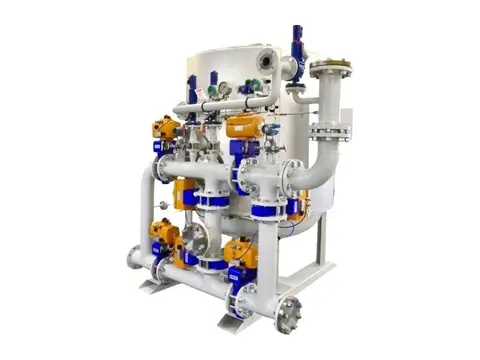
Hydrogen Dryers & De-Oxo Units
Electrolytic hydrogen purified of oxygen and water, ready for fuel cells.
View product -
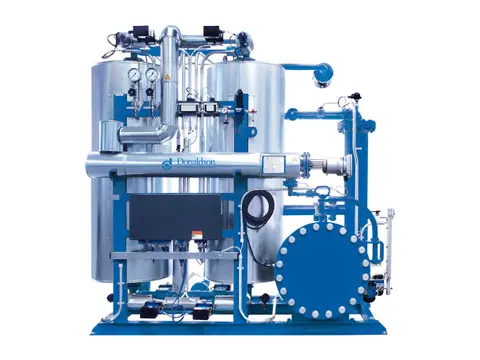
Biogas & Natural Gas Dryers
Dry, condensate-free fuel gas for your engines, boilers and upgrading plant.
View product -
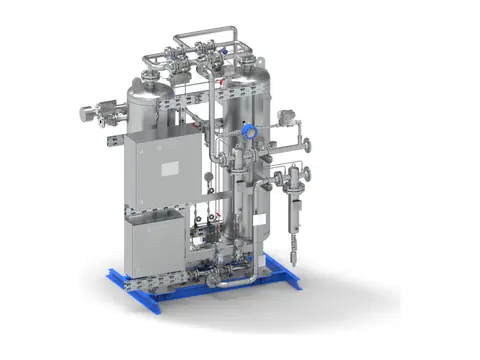
CO₂ Dryers
Beverage-grade dry CO₂ for your recovery plant, with no gas vented.
View product -
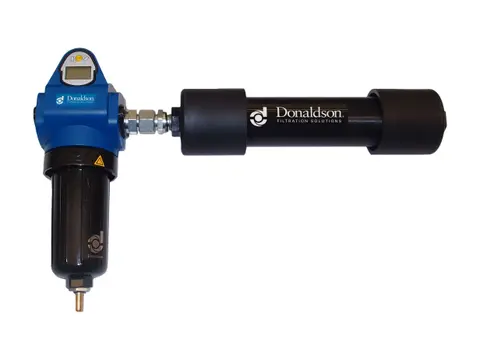
Membrane Dryers
Dry air at the point of use, with no power and no moving parts.
View product
-
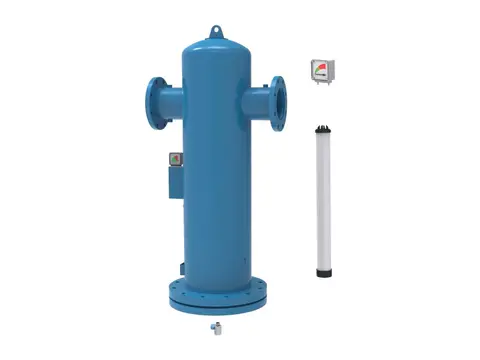
Particulate Filters
Dry, dust-free air for your plant, down to 0.01 µm particles.
View product -
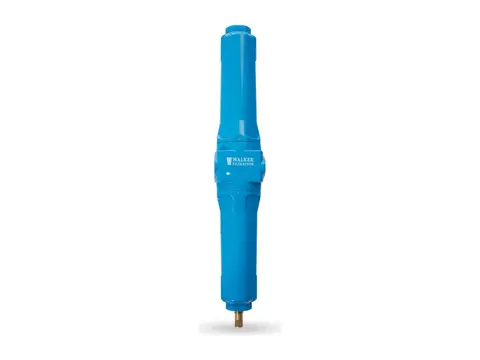
Compressed Air Duplex Filters
Change filter elements without interrupting your air supply.
View product -
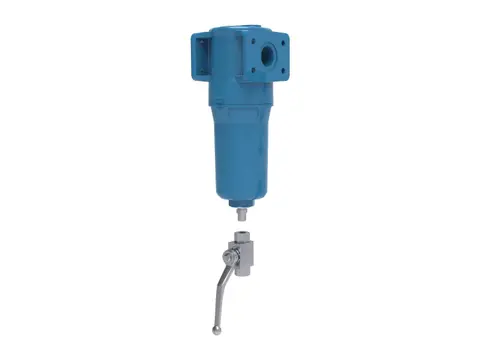
High Pressure Filters
Certified air purity for your high-pressure lines, up to 350 bar g.
View product -
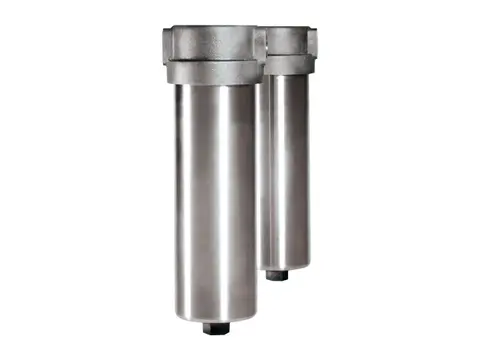
High Temperature Filters
Particle-free compressed air and gas where your process runs hot.
View product -
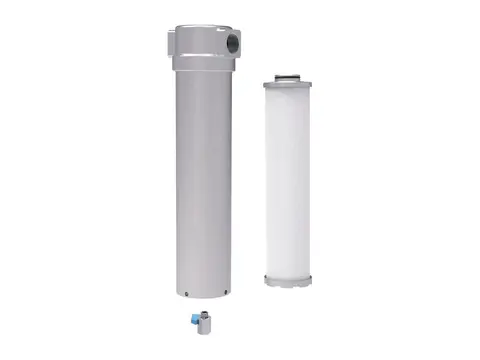
Ammonia and Refrigerant Filters
Keeps compressor oil out of your condensers and evaporators.
View product -
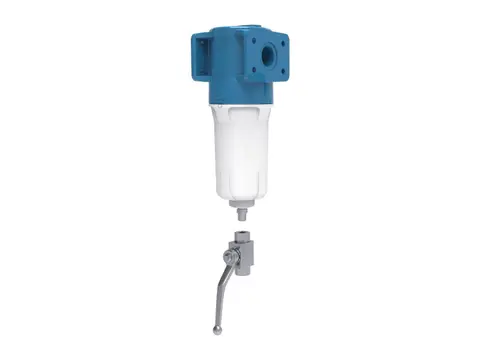
Oxygen Filters
Particle-free oxygen for your system, without adding an ignition source.
View product -
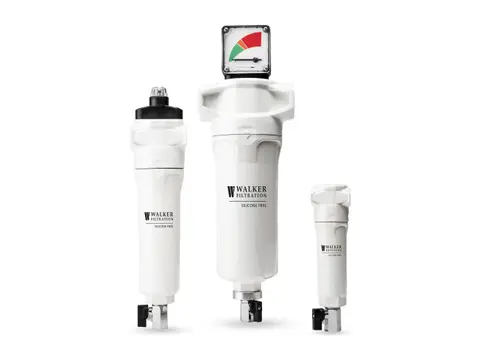
Silicone-Free Filters
Crater-free paint finishes, from air free of paint-wetting contaminants.
View product -
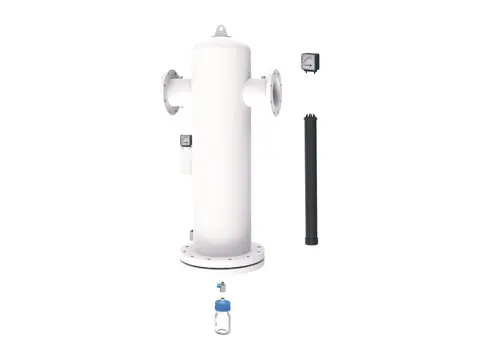
Medical Vacuum Filters
Keeps pathogens from hospital suction away from your pumps and exhaust.
View product -
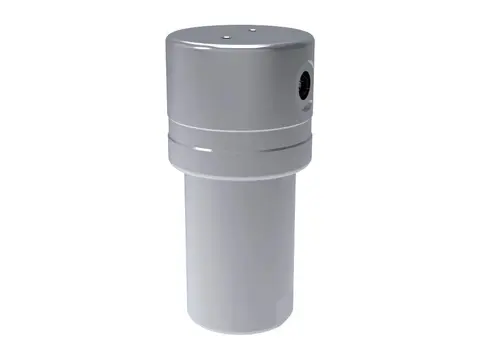
Hydrogen Filters
Particle, aerosol and oil-free hydrogen, from electrolyser to dispenser.
View product -
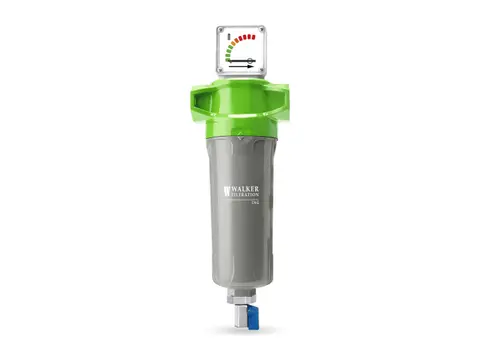
CNG Filters
Oil-free, particle-free natural gas from your compressor to the vehicle.
View product
-
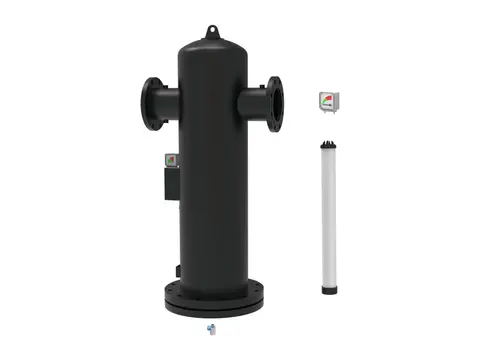
Centrifugal Moisture Separators
Bulk liquid out of your air by centrifugal force, with no element to replace.
View product -
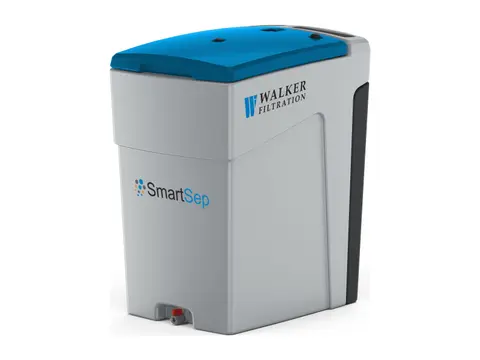
Oil Water Separator
Turns oily compressor condensate into water fit for sewer discharge.
View product -
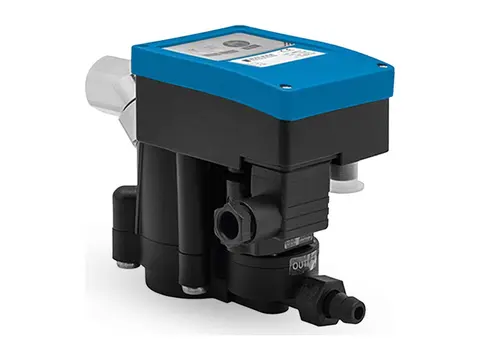
Zero-Loss Electronic Drain
Discharges every drop of condensate from your system, never your compressed air.
View product -
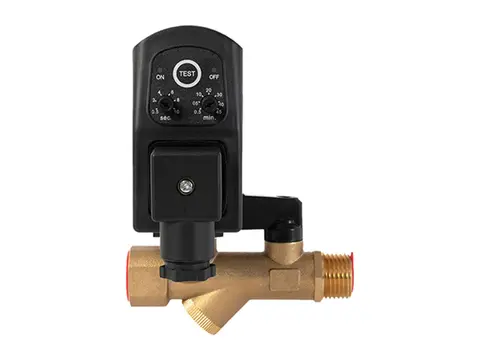
Timer Drain
Scheduled, positive condensate discharge from any collection point in your system.
View product -
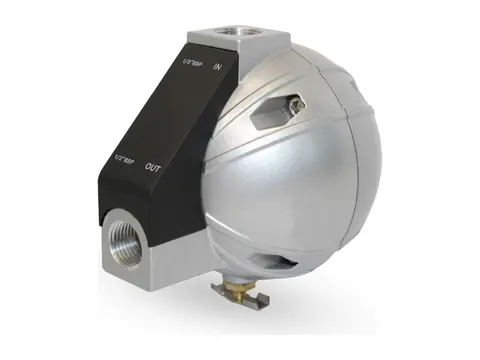
Mechanical Float Drain
Buoyancy-driven condensate removal with no power and no air loss.
View product -
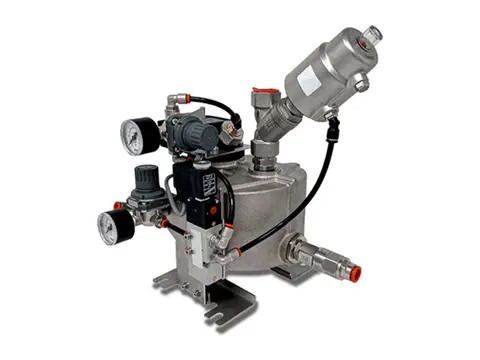
Vacuum Drain
Empties liquid from your vacuum system without breaking the vacuum.
View product
-
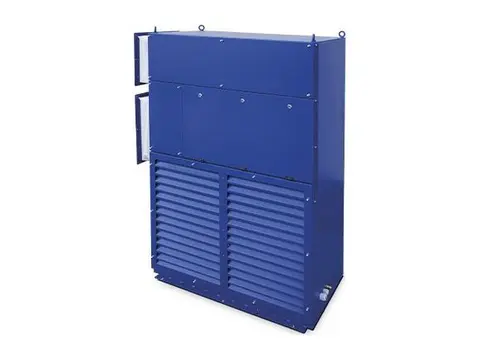
Crane Air Conditioner
Cool, clean cabins and electrical rooms for cranes working in extreme heat.
View product -
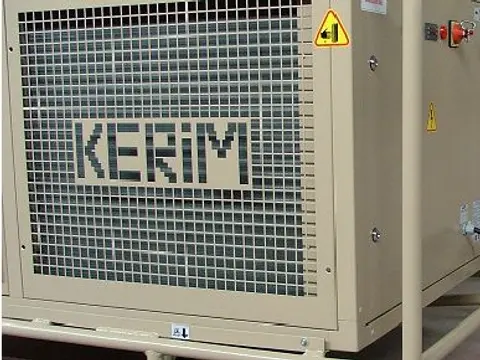
Tent Air Conditioner
Controlled climate for your tents, shelters and temporary structures.
View product -
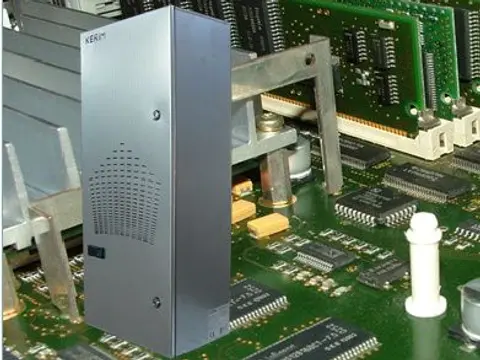
Panel Air Conditioner
Cool, clean, dry control panels, even in your hottest, dirtiest plant areas.
View product -
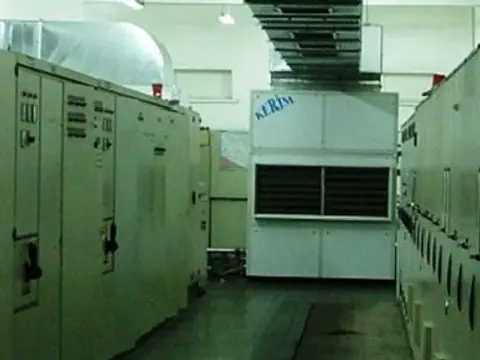
Air / Water Cooled Air Conditioner
Stable room temperatures for your electrical rooms in extreme plant heat.
View product
-
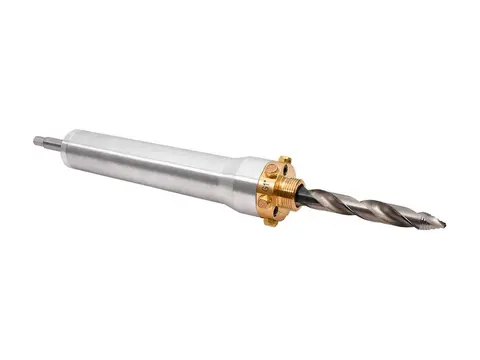
Hot Tapping
Add measurement ports to your live air lines without stopping production.
View product -
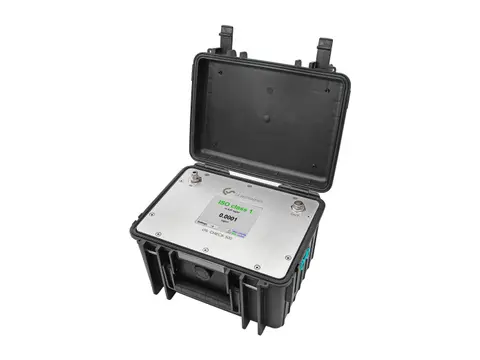
Compressed Air Quality Measurement
Prove your air's ISO 8573-1 purity: particles, oil and dew point.
View product -
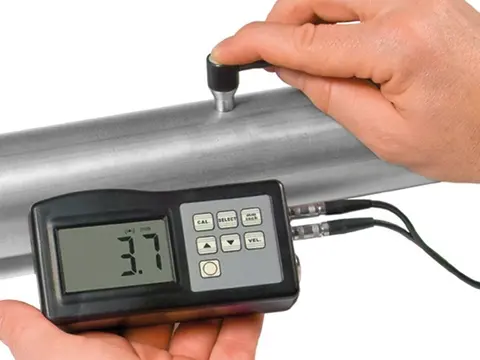
Digital Thickness Meter
Measure the metal left in your receivers and pipework, from the outside.
View product -
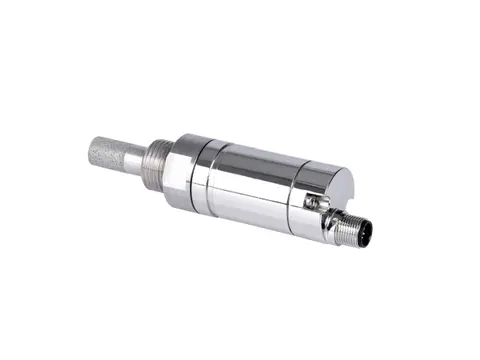
Dew Point Meter
Proof your air is dry, measured at line pressure.
View product -
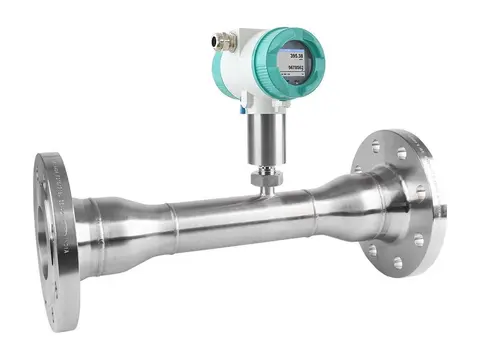
Flow Meter
True standard flow of your compressed air, whatever the line pressure.
View product -
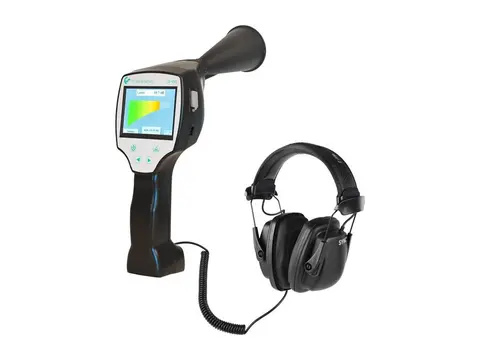
Leak Detector
Hear, locate and cost every compressed air leak in your plant.
View product -
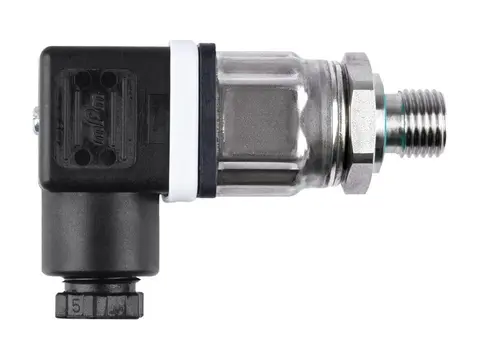
Pressure Sensor
Live pressure data from your compressor room to every point of use.
View product -
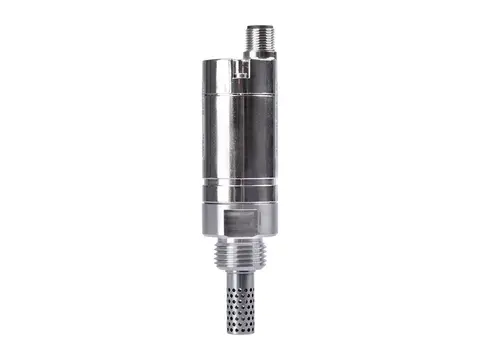
Humidity Meter
Humidity, temperature and dew point from one probe.
View product -
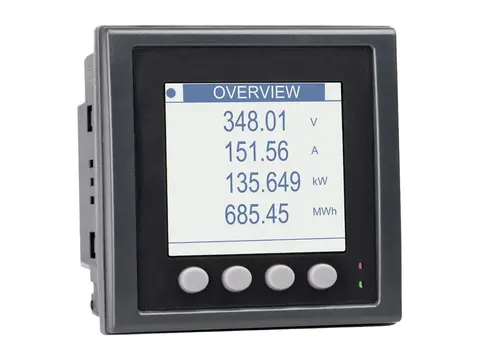
Power Meter
Measure the true power, energy and efficiency of your compressors.
View product
-
Health Testing of Compressed Air & Gas Dryers
Measured proof your dryer delivers its rated dew point.
View service -
Commissioning and Service of Compressed Air & Gas Dryers
Verified dew point from first start-up through your dryer's service life.
View service -
Compressed Air Quality Testing
Measured, documented proof of your compressed air purity class.
View service -
Dew Point Measurement Testing
Verified pressure dew point at the points that matter in your network.
View service -
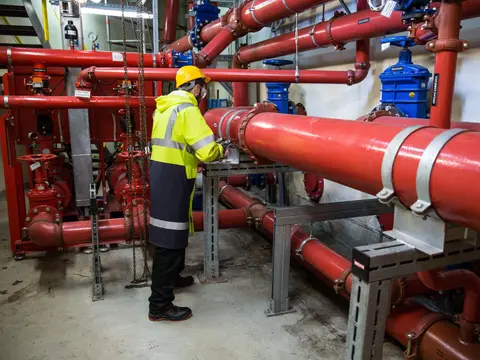
Compressed Air Flow Testing
Measured air demand, leakage and cost for your plant, not estimates.
View service -
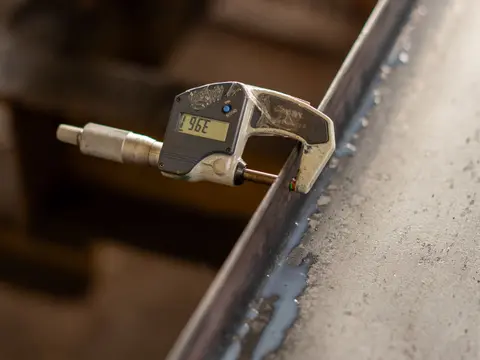
Wall Thickness Testing
Know the remaining wall, corrosion rate and safe life of your equipment.
View service -
Sourcing
Spares, consumables and whole systems for your plant, sourced globally.
View service
