
Measurement Equipments
Pressure Sensor
See where your pressure goes, from compressor room to machine, and stop paying for pressure you don't need.
Product overview
Know the pressure at every point in your plant
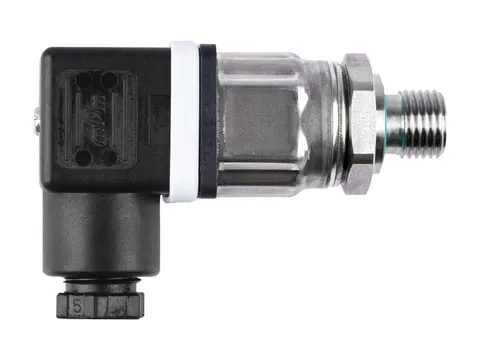
Our pressure sensor turns the pressure of your compressed air or technical gas into a continuous electrical signal, read by a data logger, building management system, compressor master controller or portable instrument. Pressure becomes a recorded, time-stamped value you can trend, alarm and analyse from anywhere in the plant.
Inside, a thin metal diaphragm or silicon chip bends by just a few micrometres under pressure, changing the resistance of strain-sensitive resistors bonded to it. With no moving parts to wear, it gives you a 4–20 mA or 0–10 V signal, or a digital value over Modbus RTU, Modbus TCP or IO-Link. Gauge, absolute and differential versions measure against the atmosphere, a vacuum or a second point.
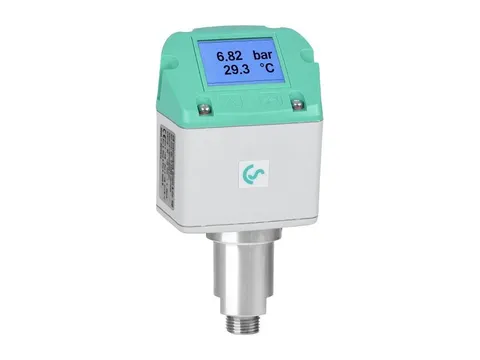
Fitted at the right points, sensors show the pressure your compressors deliver, the pressure lost in treatment and distribution, and the pressure your machines actually receive. Those figures show where energy is being wasted, and whether your production equipment gets the pressure it was designed for.
- 4–20 mAOutput that reveals a broken wire
- About 7 %More compressor energy for each extra 1 bar
- 12.5 %Less air lost through leaks from 7 to 6 bar g
- Below 10 %Best-practice pressure drop, compressor to point of use
Benefits
The problems it solves
Pressure is what your whole air system is controlled by, and pressure loss is where much of its energy is wasted. Here is what goes wrong without measurement, and how the sensor fixes it.
-
Setpoints set by habit
The problem
Without measured data, setpoints creep up to satisfy the worst point in the network, and each additional 1 bar raises compressor energy by about 7 %.
How it solves it
Logged pressure shows how much your machines actually need, so you can lower the setpoint safely and cut the air lost through every leak.
-
Low pressure at the machine
The problem
Raising the setpoint to cure a 1.5 bar drop across loaded filters or a restrictive hose costs energy plant-wide, and still leaves the machine short at peak demand.
How it solves it
Readings along the air path locate the filter, dryer, pipe section or hose wasting pressure, so you remove the restriction instead.
-
Faults that come and go
The problem
Dips lasting a few seconds, overnight pressure decay and filter loading that builds over months never coincide with an inspection round.
How it solves it
Continuous, time-stamped logging captures dips and spikes lasting seconds, and explains intermittent machine faults.
-
Leakage with no figure
The problem
Leaks hide throughout the network, and a repair programme cannot be costed until the leakage is measured.
How it solves it
A pressure decay test turns a pressure trend into leakage: a 10 m³ system falling from 7 to 6 bar g in 5 minutes leaks about 2.0 m³/min of free air.
-
Running out of air
The problem
Low pressure causes rejects, and loss of instrument air drives control valves to their fail-safe positions.
How it solves it
Low-pressure alarms warn your operators, start a standby compressor or stop a process before it runs out of air.
-
Erratic compressor control
The problem
An inaccurate, drifting or poorly placed sensor makes compressors start unnecessarily, run unloaded or let pressure fall below what production needs.
How it solves it
An accurate signal from the right location narrows pressure bands and avoids unnecessary compressor starts.
Where it’s used
Wherever pressure matters to production
Every compressed air system is controlled by pressure. These are some of the places our sensors keep watch over it.
-

Automotive and general manufacturing
Network and point-of-use sensors confirm that assembly tools, robots and clamping cylinders receive their rated pressure.
-

Food, beverage and packaging
Supply pressure to filling, capping, labelling and bottle-blowing machines, with alarms before low pressure causes rejects.
-
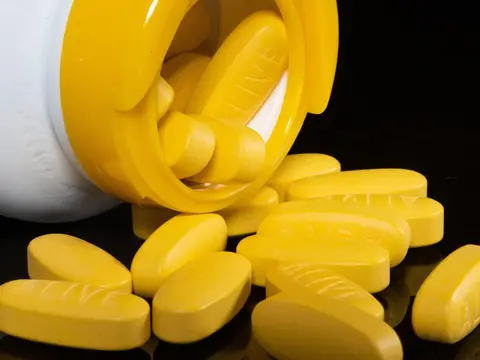
Pharmaceuticals
Pressure records that form part of the batch documentation for tablet coating, granulation and filling equipment.
-

Oil, gas and petrochemicals
Low-pressure alarms and trips on instrument air headers, before control valves move to their fail-safe positions.
-

Power generation
Monitoring of instrument air, switchgear air receivers and soot-blowing air.
-
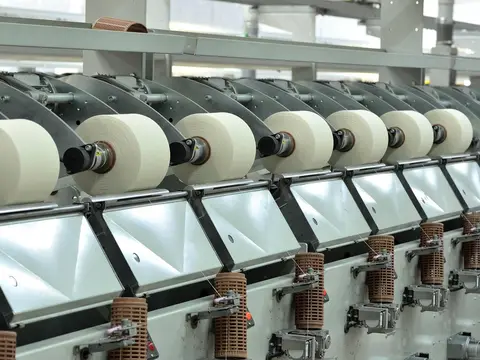
Textiles
Air-jet looms that consume large volumes of air, where weaving quality depends on a stable supply pressure.
Also compressor rooms in every industry, PET bottle production at 30–40 bar g, medical gas pipelines, natural gas, CNG and hydrogen, glass, steel and cement, rail brake systems, nitrogen and oxygen generators, and test benches and laboratories.
How it works
Bend, sense, signal
Line pressure bends a steel diaphragm by a few micrometres. Strain gauges on it turn that bend into an electrical signal your controller can read.
-
1. Pressure inAir reaches the sensor through a tapping on the top of the pipe and an isolation valve, and presses on the underside of a thin stainless steel diaphragm. A gauge sensor vents the other side to atmosphere, so it reads zero at ambient pressure.
-
2. The diaphragm bendsThe diaphragm bulges by only micrometres: about 3 µm at the centre for a 6 mm diaphragm, 0.33 mm thick, at 16 bar. It stays well inside its elastic range, so it returns exactly to shape, with nothing to wear.
-
3. Strain to resistanceStrain gauges at the centre are stretched while those near the clamped rim are compressed. Wired in a Wheatstone bridge, their opposite changes add up to a millivolt output, while temperature effects common to all four cancel out.
-
4. ConditionThe electronics amplify, digitise, linearise and temperature-correct the bridge signal, using correction coefficients stored for each sensor during manufacture.
-
5. Signal outThe sensor sends a 4–20 mA current: on a 0–16 bar g sensor, 4 mA at zero, 11 mA at 7 bar g and 20 mA at 16 bar g. A reading below 4 mA reveals a broken wire. Modbus or IO-Link can send the value digitally instead.
Example figures for a 0–16 bar g sensor with a 4–20 mA output and a thin-film stainless steel diaphragm.
Get the full details
Our brochure covers it in detail, and our questionnaire tells us what we need to recommend the right one for your plant.
Keep exploring
More from our range
Equipment for every stage of your compressed air, and our own engineers to test, commission and look after it.
-
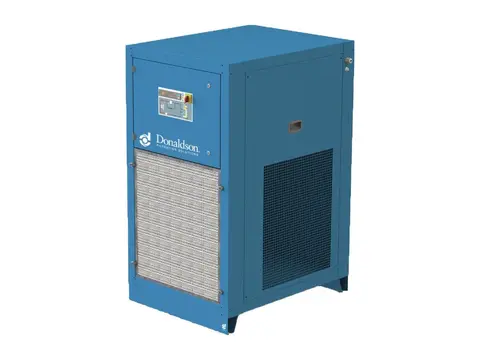
Refrigerated Air Dryers
Dry, condensate-free air for your plant, with no compressed air spent drying.
View product -
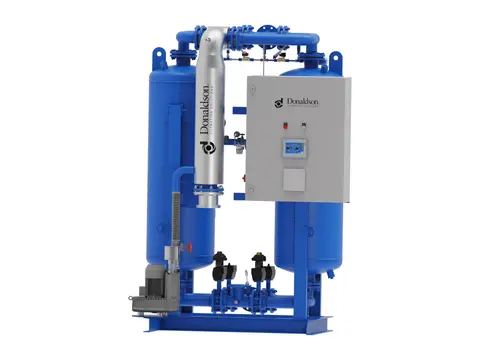
Heated Desiccant Dryers
Deep, stable dew points for your air, with heat doing the regeneration.
View product -
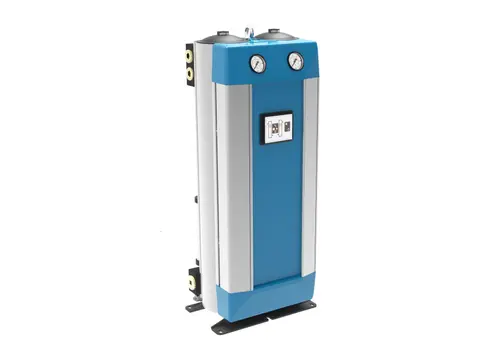
Heatless Desiccant Dryers
Deep dew points without heaters, for hazardous areas and remote sites.
View product -
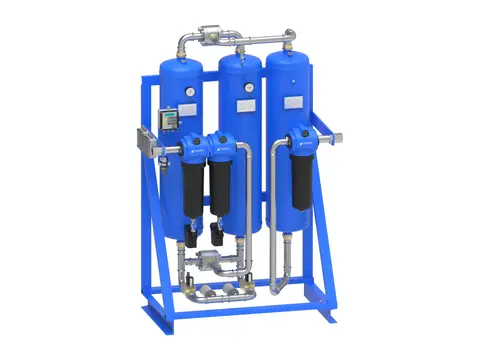
Breathing Air Systems
Your plant’s compressed air, made safe to breathe.
View product -
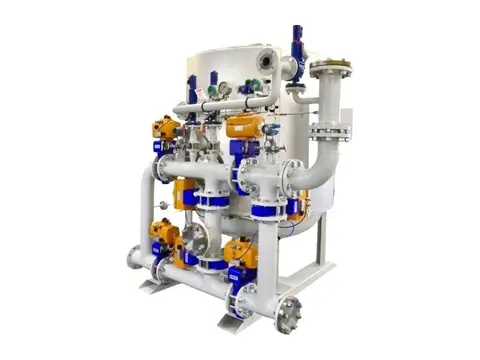
Hydrogen Dryers & De-Oxo Units
Electrolytic hydrogen purified of oxygen and water, ready for fuel cells.
View product -
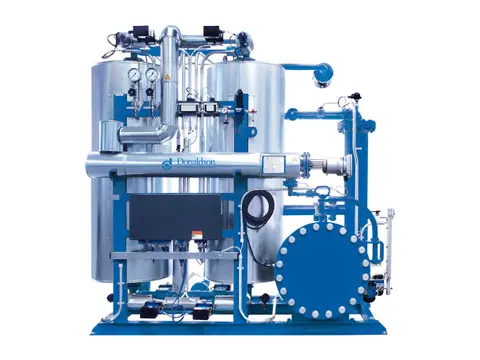
Biogas & Natural Gas Dryers
Dry, condensate-free fuel gas for your engines, boilers and upgrading plant.
View product -
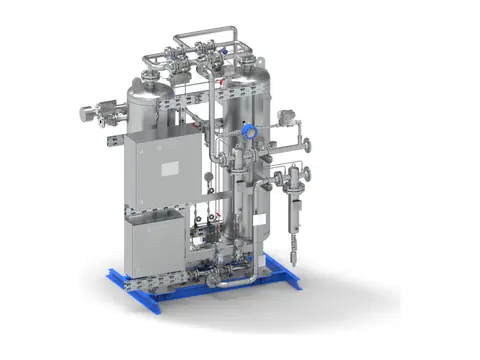
CO₂ Dryers
Beverage-grade dry CO₂ for your recovery plant, with no gas vented.
View product -
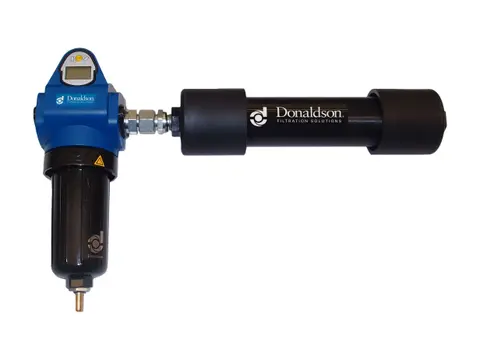
Membrane Dryers
Dry air at the point of use, with no power and no moving parts.
View product
-
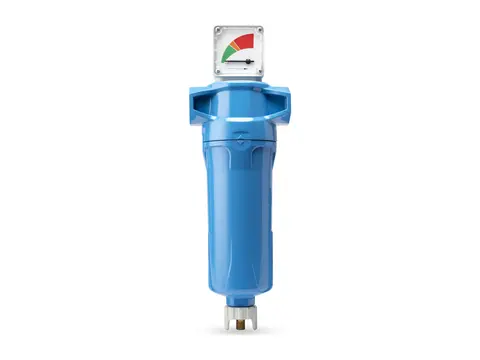
Coalescing Filters
Takes oil and water aerosols out of your air, down to 0.01 mg/m³.
View product -
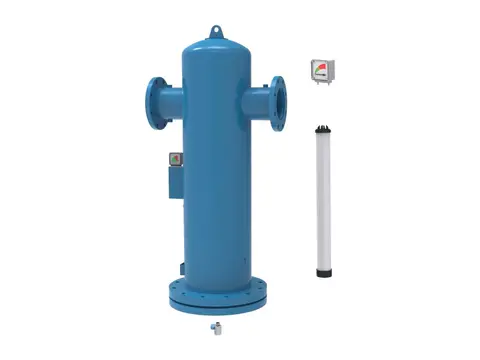
Particulate Filters
Dry, dust-free air for your plant, down to 0.01 µm particles.
View product -
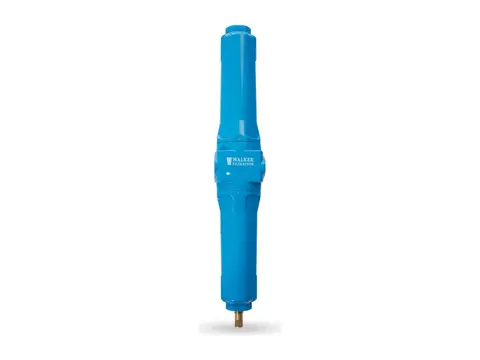
Compressed Air Duplex Filters
Change filter elements without interrupting your air supply.
View product -
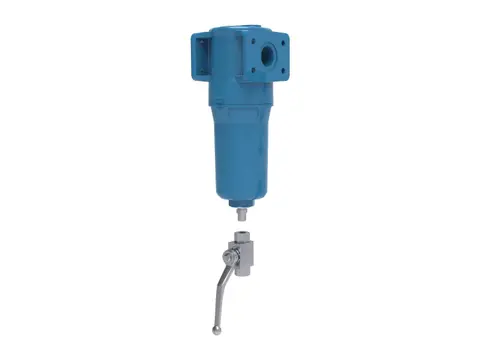
High Pressure Filters
Certified air purity for your high-pressure lines, up to 350 bar g.
View product -
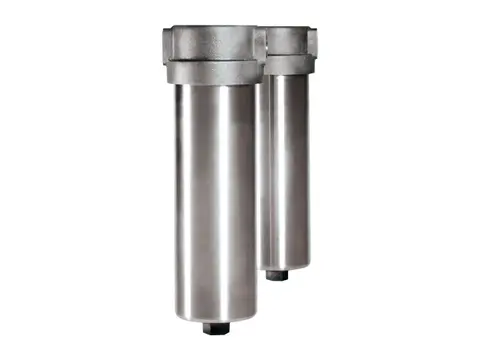
High Temperature Filters
Particle-free compressed air and gas where your process runs hot.
View product -
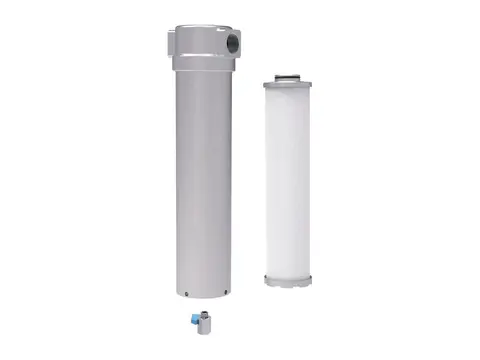
Ammonia and Refrigerant Filters
Keeps compressor oil out of your condensers and evaporators.
View product -
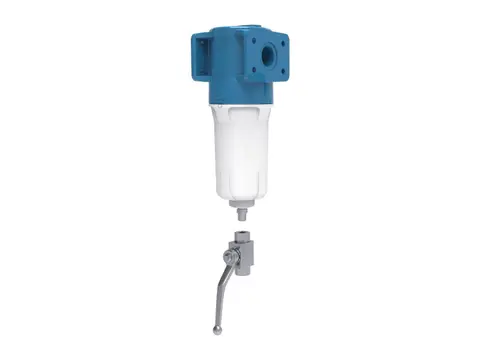
Oxygen Filters
Particle-free oxygen for your system, without adding an ignition source.
View product -
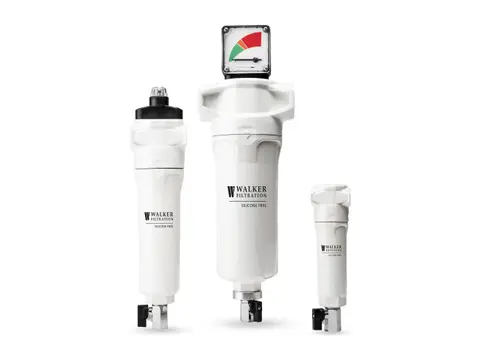
Silicone-Free Filters
Crater-free paint finishes, from air free of paint-wetting contaminants.
View product -
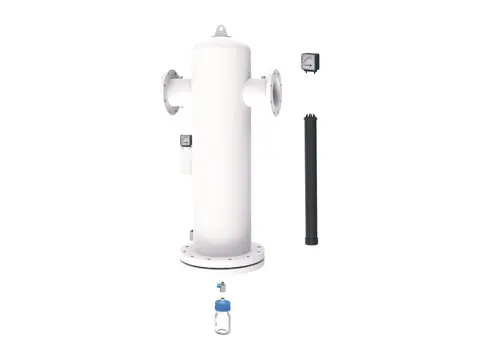
Medical Vacuum Filters
Keeps pathogens from hospital suction away from your pumps and exhaust.
View product -
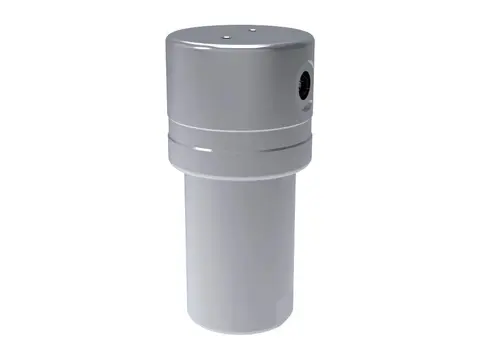
Hydrogen Filters
Particle, aerosol and oil-free hydrogen, from electrolyser to dispenser.
View product -
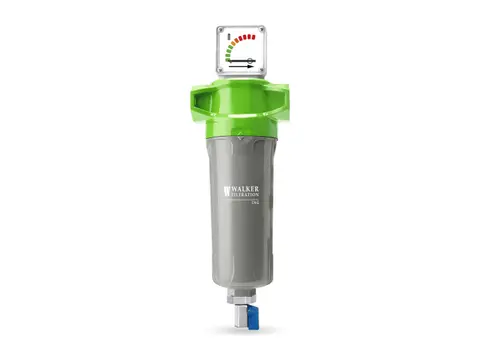
CNG Filters
Oil-free, particle-free natural gas from your compressor to the vehicle.
View product
-
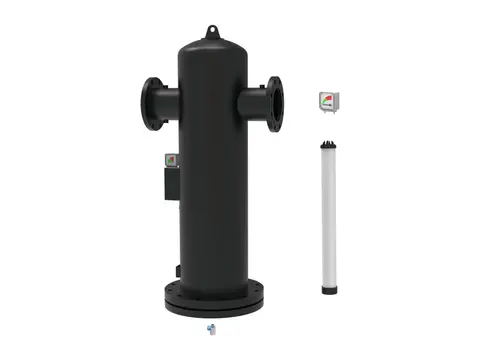
Centrifugal Moisture Separators
Bulk liquid out of your air by centrifugal force, with no element to replace.
View product -
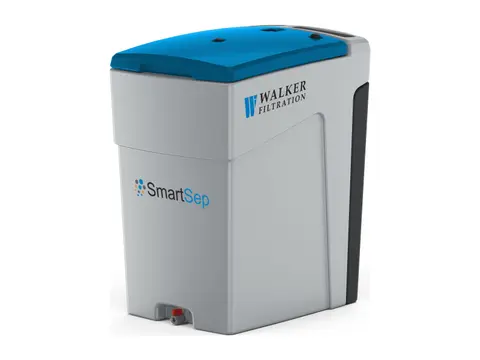
Oil Water Separator
Turns oily compressor condensate into water fit for sewer discharge.
View product -
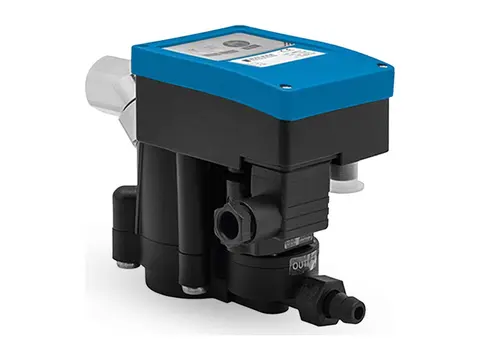
Zero-Loss Electronic Drain
Discharges every drop of condensate from your system, never your compressed air.
View product -
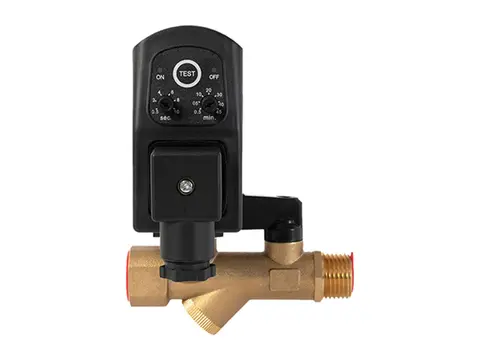
Timer Drain
Scheduled, positive condensate discharge from any collection point in your system.
View product -
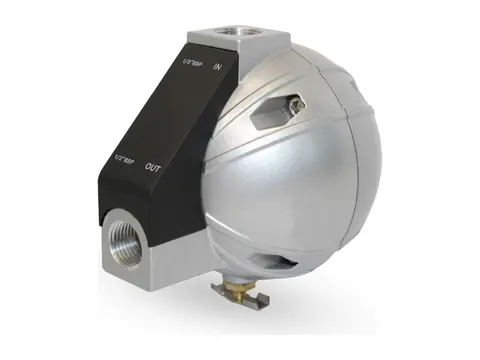
Mechanical Float Drain
Buoyancy-driven condensate removal with no power and no air loss.
View product -
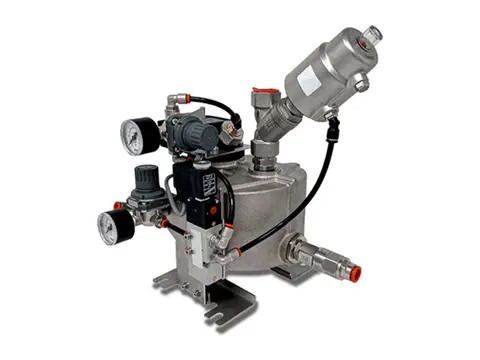
Vacuum Drain
Empties liquid from your vacuum system without breaking the vacuum.
View product
-
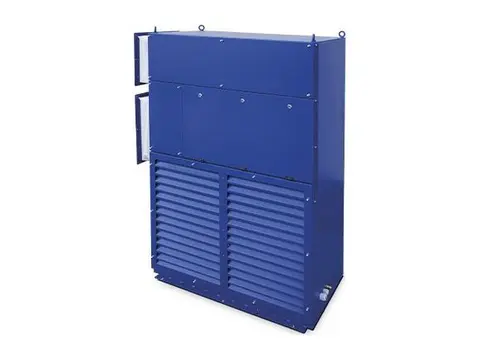
Crane Air Conditioner
Cool, clean cabins and electrical rooms for cranes working in extreme heat.
View product -
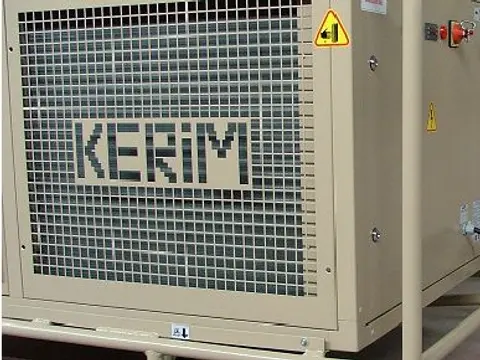
Tent Air Conditioner
Controlled climate for your tents, shelters and temporary structures.
View product -
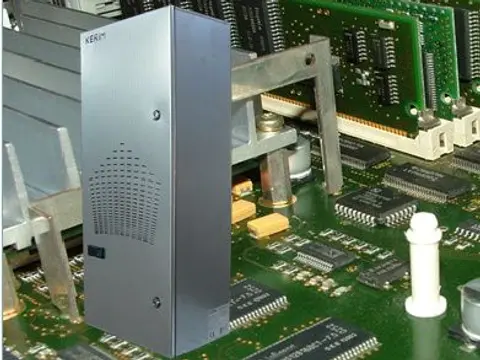
Panel Air Conditioner
Cool, clean, dry control panels, even in your hottest, dirtiest plant areas.
View product -
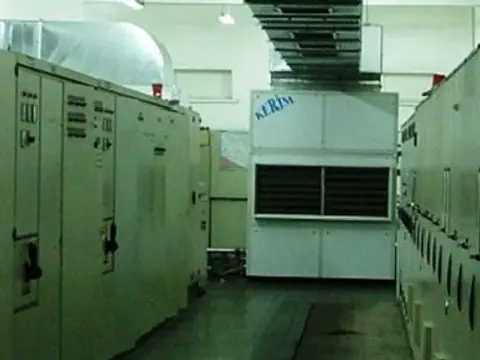
Air / Water Cooled Air Conditioner
Stable room temperatures for your electrical rooms in extreme plant heat.
View product
-
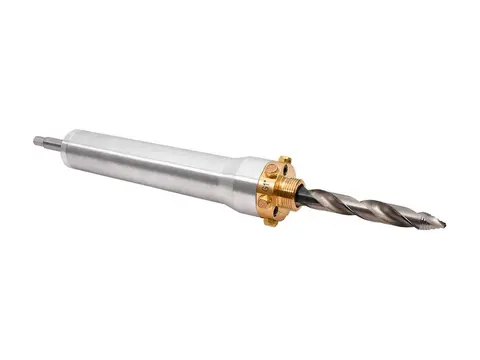
Hot Tapping
Add measurement ports to your live air lines without stopping production.
View product -
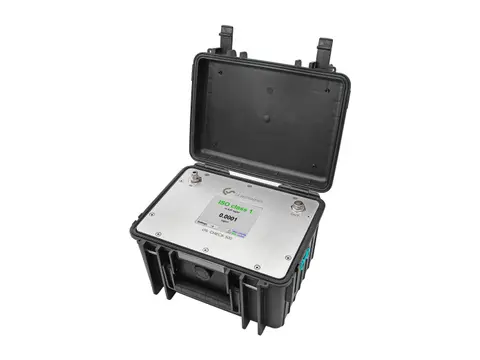
Compressed Air Quality Measurement
Prove your air's ISO 8573-1 purity: particles, oil and dew point.
View product -
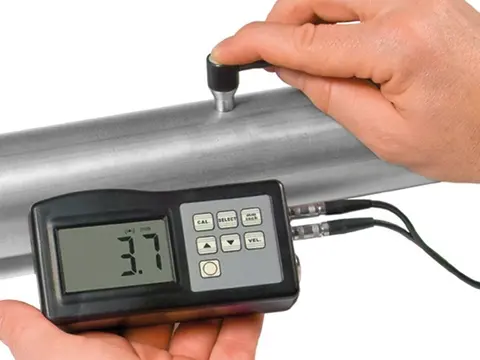
Digital Thickness Meter
Measure the metal left in your receivers and pipework, from the outside.
View product -
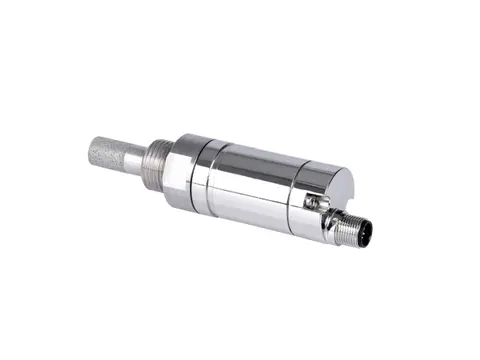
Dew Point Meter
Proof your air is dry, measured at line pressure.
View product -
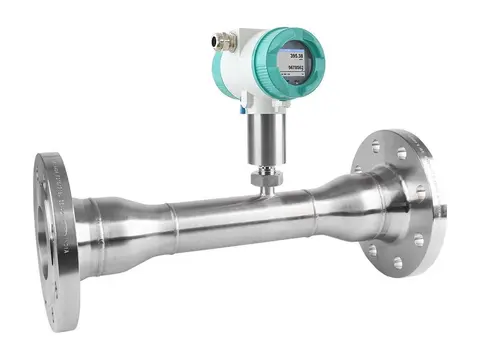
Flow Meter
True standard flow of your compressed air, whatever the line pressure.
View product -
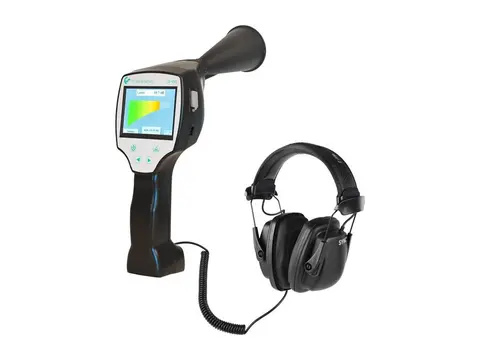
Leak Detector
Hear, locate and cost every compressed air leak in your plant.
View product -
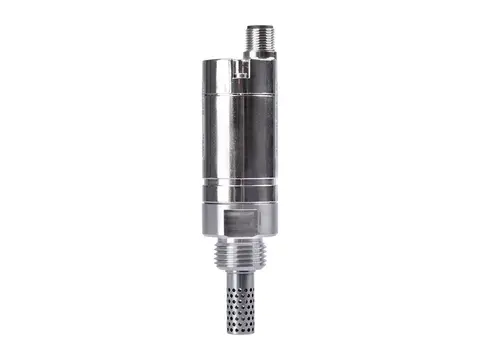
Humidity Meter
Humidity, temperature and dew point from one probe.
View product -
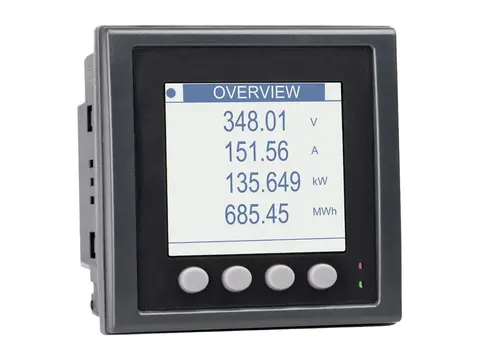
Power Meter
Measure the true power, energy and efficiency of your compressors.
View product
-
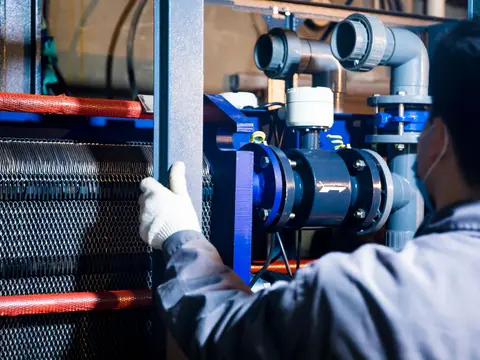
Health Testing of Compressed Air & Gas Dryers
Measured proof your dryer delivers its rated dew point.
View service -
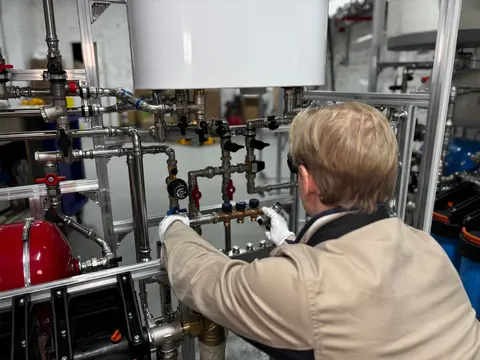
Commissioning and Service of Compressed Air & Gas Dryers
Verified dew point from first start-up through your dryer's service life.
View service -
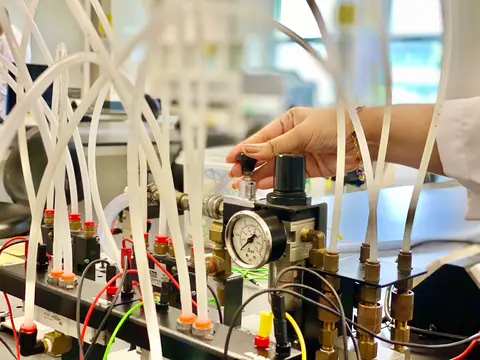
Compressed Air Quality Testing
Measured, documented proof of your compressed air purity class.
View service -
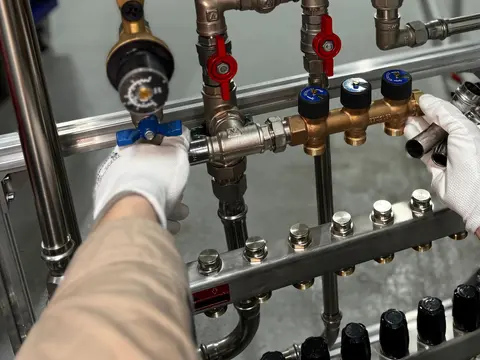
Dew Point Measurement Testing
Verified pressure dew point at the points that matter in your network.
View service -
Compressed Air Flow Testing
Measured air demand, leakage and cost for your plant, not estimates.
View service -
Wall Thickness Testing
Know the remaining wall, corrosion rate and safe life of your equipment.
View service -
Sourcing
Spares, consumables and whole systems for your plant, sourced globally.
View service
