

Compressed Air & Gas Dryers
Membrane Dryer
Dry air right where your machine needs it, running silently on compressed air alone.
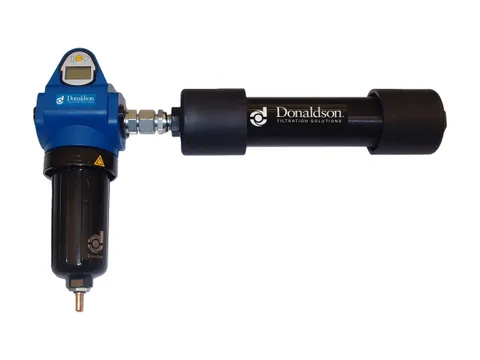
Product overview
Dry air at the point of use, with nothing to plug in
Our membrane dryer dries your compressed air as it flows along a bundle of polymer hollow fibres. Water vapour passes through the fibre walls many times faster than oxygen and nitrogen, so the moisture leaves while your air carries on to the outlet.
There is no electrical supply, no motor, no cycling valve and no desiccant to regenerate. Drying runs continuously and silently for as long as air flows, and the water leaves as vapour in a small, steady exhaust stream, so there is no condensate at the dryer and no drain to fit.
It is commonly selected for ISO 8573-1:2010 water Class 4, 3 or 2: a pressure dew point (PDP) of +3 °C, −20 °C or −40 °C, or lower. Light and compact, it mounts at the machine, instrument or enclosure that needs drier air than your network supplies.
- −40 °CPressure dew point, ISO 8573-1 Class 2
- 99.8 %Of the water vapour removed at −40 °C PDP
- ZeroElectrical supply at the dryer
- NoneMoving parts to wear
Benefits
The problems it solves
Air leaves your aftercooler saturated, and every pipe, fitting or instrument cooler than the air condenses more water. Here is what that does, and how the dryer stops it.
-
Sticking and frozen instruments
The problem
Water in pneumatic positioners, transmitters and relays causes drift and sticking, and ice stops them working entirely.
How it solves it
Dried at the instrument to a dew point below the coldest point on its line, your air carries no liquid and no ice. ISA-7.0.01 asks for at least 10 °C below the lowest ambient, and never above +4 °C.
-
No power where you need dry air
The problem
Hazardous zones restrict electrical equipment and hot surfaces, and remote sites and vehicles often have no mains supply.
How it solves it
The dryer works on compressed air alone, with no electrical parts and no hot surfaces, so it can go into ATEX and IECEx zones, onto vehicles and out to remote sites.
-
One machine needs drier air
The problem
A central dryer serves the whole plant at one dew point, but some consumers need drier air, sit at the end of long outdoor branches or were added later.
How it solves it
Mounted at the branch or the machine, it raises the water class for that one consumer without re-treating every cubic metre your plant uses.
-
Rust inside pipes and valves
The problem
Rust particles block small orifices and nozzles and score valve seats.
How it solves it
In a pipe at 20 °C, air at −20 °C PDP has a relative humidity of about 4.4 %, well below the roughly 60 % at which steel starts to corrode rapidly.
-
Dips at sensitive equipment
The problem
Analysers and air bearings are disturbed by pressure dips and dew point steps in their supply.
How it solves it
Water permeates steadily along the fibres, so your outlet pressure and dew point hold steady, with no blowdown noise.
-
Spoiled finishes
The problem
Water in spray air causes blistering, fisheyes and poor adhesion.
How it solves it
Drying at the booth keeps water out of your spray guns, even where the plant network only supplies filtered air.
Where it’s used
Wherever one consumer needs drier air
Your plant network sets one dew point for everything. A membrane dryer gives the instrument, booth or machine that needs more its own dry supply.
-

Process instrumentation
Control valves, positioners and transmitters in oil and gas, refining, chemical and power plants, and purge air in hazardous areas.
-

Paint and coating booths
Point-of-use drying that stops spray guns spitting water, which causes blistering and fisheyes.
-

Food and beverage
Individual packaging and filling stations fed from general plant air.
Also analysers and FTIR purge, laboratories and dental practices, air bearings in measuring machines, laser optics, telecommunications waveguides and cables, outdoor and cold-store air lines, service vehicles and off-grid sites, and machine builders fitting dryers into their own equipment.
How it works
Filter, permeate, sweep
Your air flows inside a bundle of hollow fibres. Water vapour escapes through the fibre walls, and a small share of the dried air sweeps it away.
-
1. FilterSaturated air passes through a 1 µm coalescing filter and then a 0.01 µm high-efficiency coalescing filter on the dryer inlet, which remove liquid water, oil aerosol and particles. Their automatic drains discharge the liquid.
-
2. PermeateThe air divides among the fibre bores. As it travels along them, water vapour dissolves into the fibre wall, diffuses through it and escapes into the shell, while oxygen and nitrogen largely stay inside.
-
3. DeliverDried air collects in the outlet end cap and leaves for your point of use, at the dew point the dryer was selected for, down to −40 °C PDP.
-
4. SweepA metered share of the dried air passes through the sweep orifice and expands to near atmospheric pressure, which makes it roughly eight times drier, in partial pressure terms, than the air it was taken from.
-
5. VentThe sweep air flows back along the outside of the fibres, against the feed, collecting the water, and vents to atmosphere at the feed end. The water leaves as vapour, so there is nothing to drain.
Typical figures at 7 bar g, with saturated inlet air at 35 °C.
Get the full details
Our brochure covers it in detail, and our questionnaire tells us what we need to recommend the right one for your plant.
Keep exploring
More from our range
Equipment for every stage of your compressed air, and our own engineers to test, commission and look after it.
-
Refrigerated Air Dryers
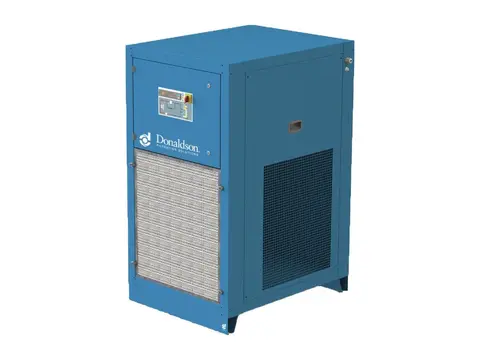
Dry, condensate-free air for your plant, with no compressed air spent drying.
View product -
Heated Desiccant Dryers
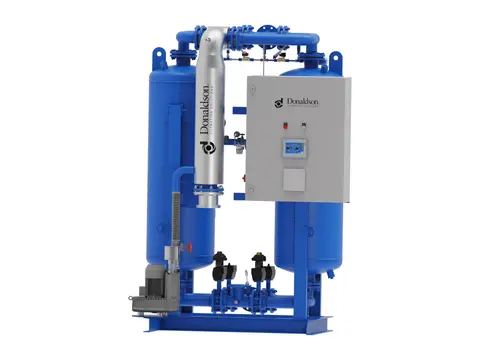
Deep, stable dew points for your air, with heat doing the regeneration.
View product -
Heatless Desiccant Dryers
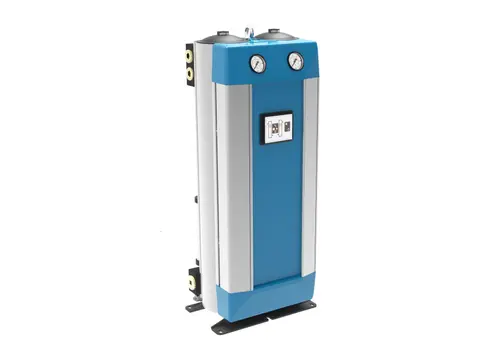
Deep dew points without heaters, for hazardous areas and remote sites.
View product -
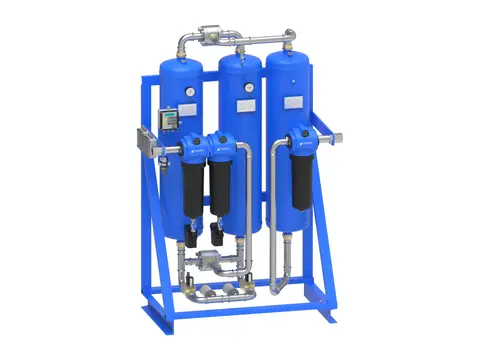
Breathing Air Systems
Your plant’s compressed air, made safe to breathe.
View product -
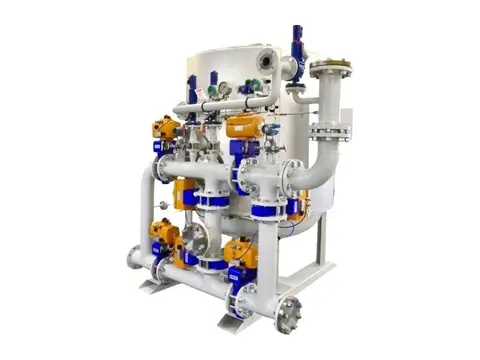
Hydrogen Dryers & De-Oxo Units
Electrolytic hydrogen purified of oxygen and water, ready for fuel cells.
View product -
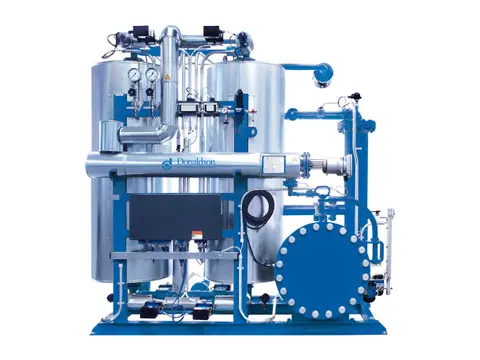
Biogas & Natural Gas Dryers
Dry, condensate-free fuel gas for your engines, boilers and upgrading plant.
View product -
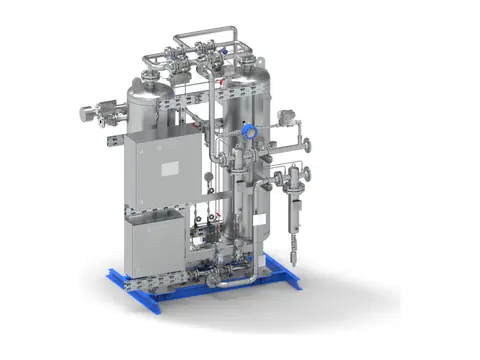
CO₂ Dryers
Beverage-grade dry CO₂ for your recovery plant, with no gas vented.
View product
-
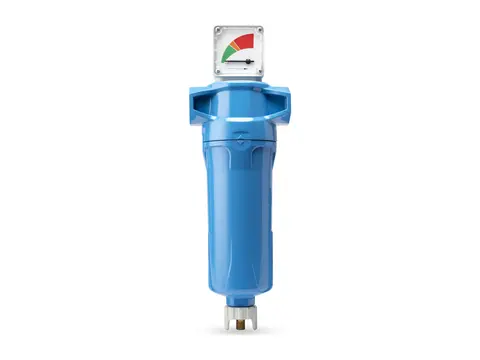
Coalescing Filters
Takes oil and water aerosols out of your air, down to 0.01 mg/m³.
View product -
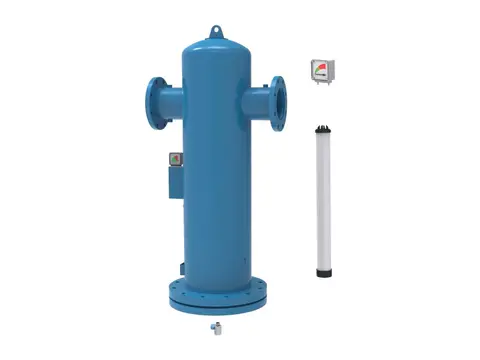
Particulate Filters
Dry, dust-free air for your plant, down to 0.01 µm particles.
View product -
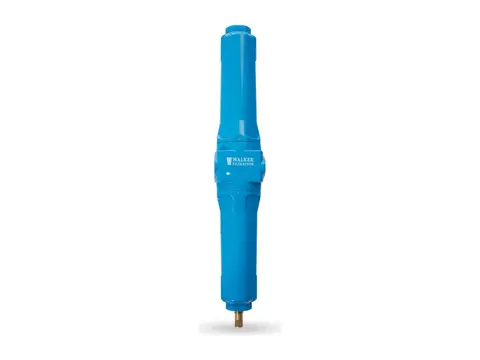
Compressed Air Duplex Filters
Change filter elements without interrupting your air supply.
View product -
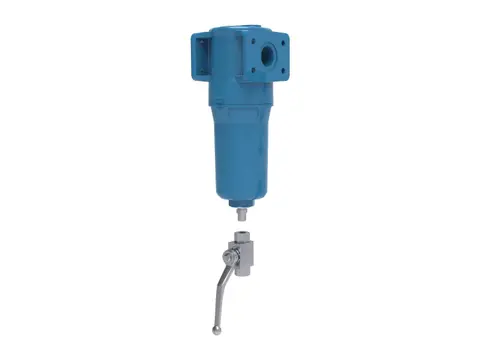
High Pressure Filters
Certified air purity for your high-pressure lines, up to 350 bar g.
View product -
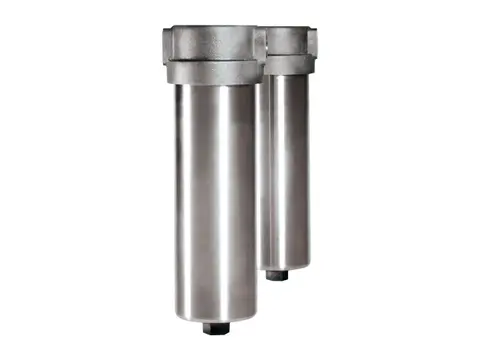
High Temperature Filters
Particle-free compressed air and gas where your process runs hot.
View product -
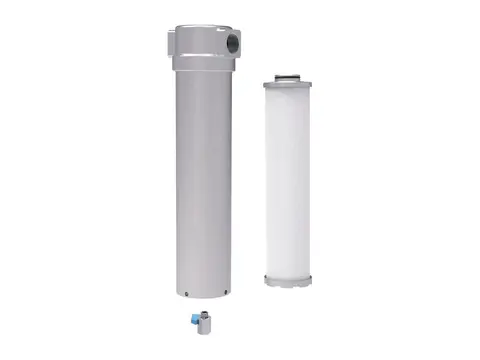
Ammonia and Refrigerant Filters
Keeps compressor oil out of your condensers and evaporators.
View product -
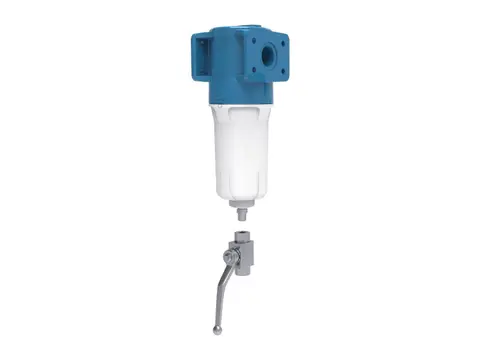
Oxygen Filters
Particle-free oxygen for your system, without adding an ignition source.
View product -
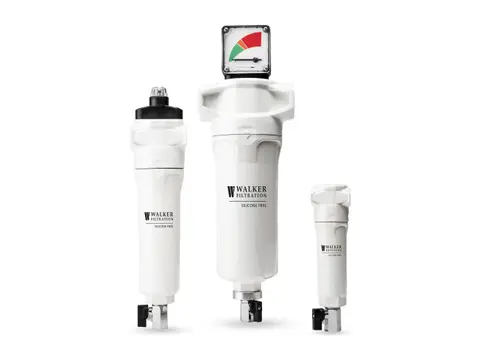
Silicone-Free Filters
Crater-free paint finishes, from air free of paint-wetting contaminants.
View product -
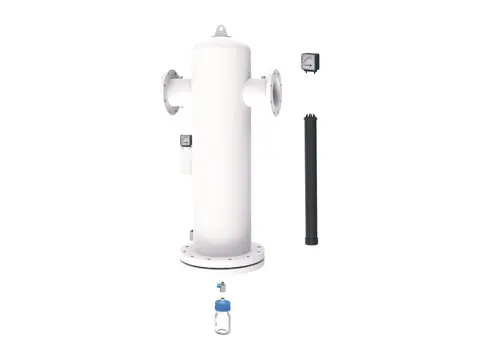
Medical Vacuum Filters
Keeps pathogens from hospital suction away from your pumps and exhaust.
View product -
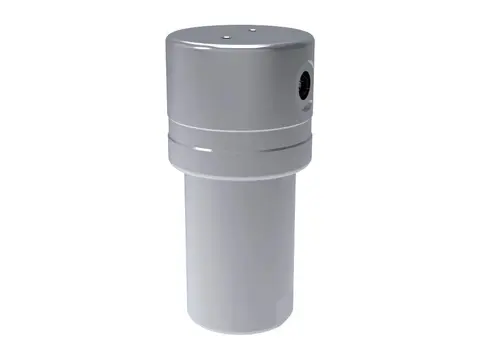
Hydrogen Filters
Particle, aerosol and oil-free hydrogen, from electrolyser to dispenser.
View product -
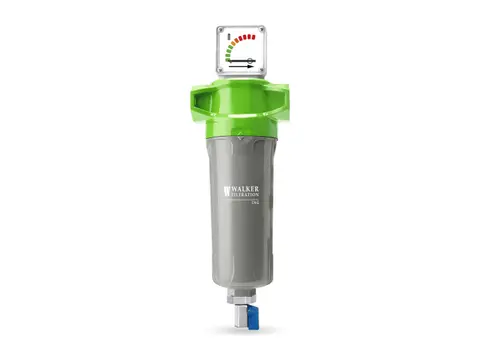
CNG Filters
Oil-free, particle-free natural gas from your compressor to the vehicle.
View product
-
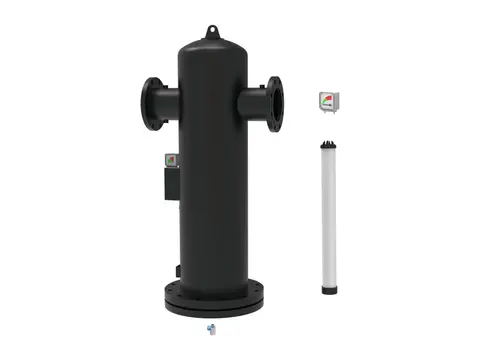
Centrifugal Moisture Separators
Bulk liquid out of your air by centrifugal force, with no element to replace.
View product -
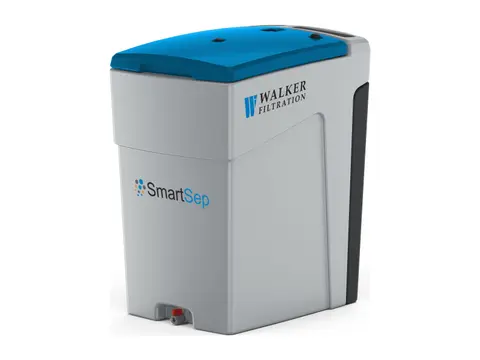
Oil Water Separator
Turns oily compressor condensate into water fit for sewer discharge.
View product -
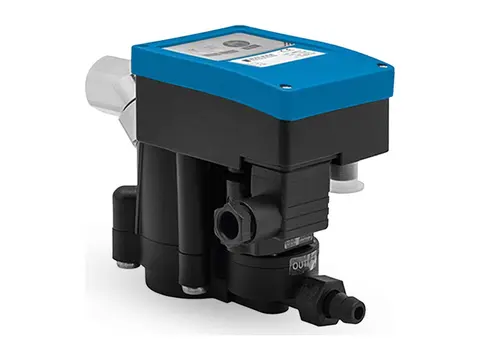
Zero-Loss Electronic Drain
Discharges every drop of condensate from your system, never your compressed air.
View product -
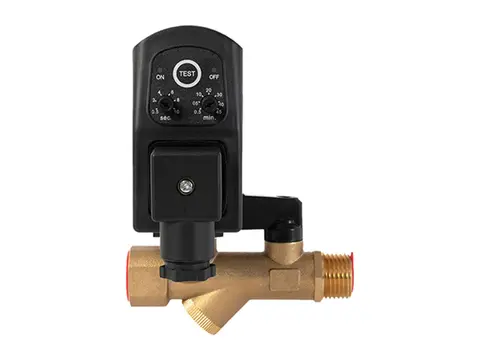
Timer Drain
Scheduled, positive condensate discharge from any collection point in your system.
View product -
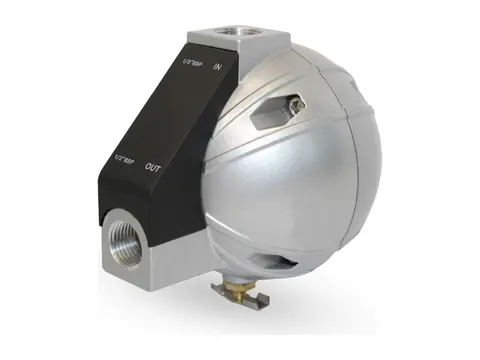
Mechanical Float Drain
Buoyancy-driven condensate removal with no power and no air loss.
View product -
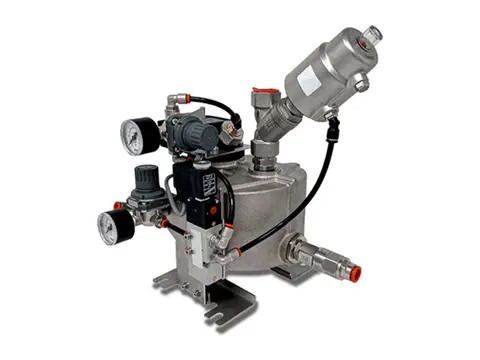
Vacuum Drain
Empties liquid from your vacuum system without breaking the vacuum.
View product
-
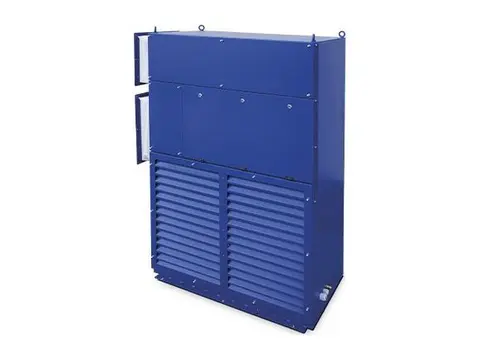
Crane Air Conditioner
Cool, clean cabins and electrical rooms for cranes working in extreme heat.
View product -
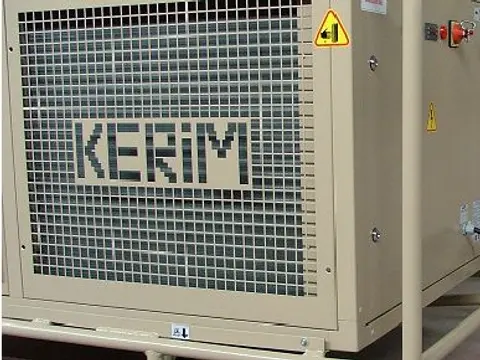
Tent Air Conditioner
Controlled climate for your tents, shelters and temporary structures.
View product -
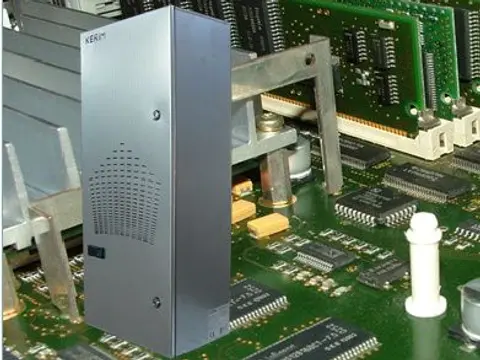
Panel Air Conditioner
Cool, clean, dry control panels, even in your hottest, dirtiest plant areas.
View product -
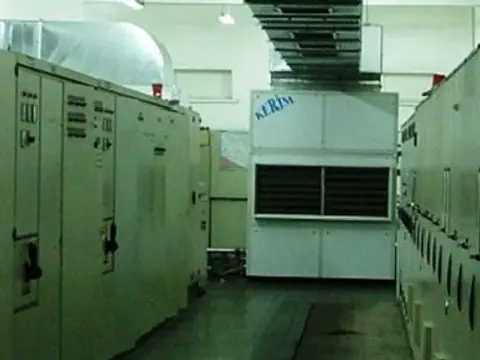
Air / Water Cooled Air Conditioner
Stable room temperatures for your electrical rooms in extreme plant heat.
View product
-
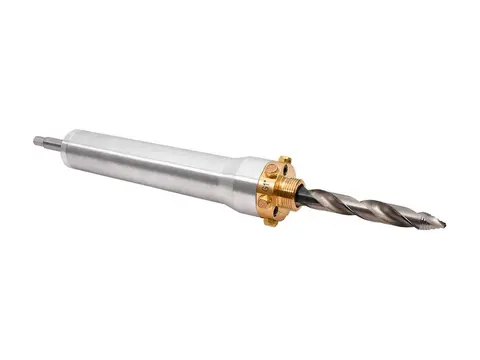
Hot Tapping
Add measurement ports to your live air lines without stopping production.
View product -
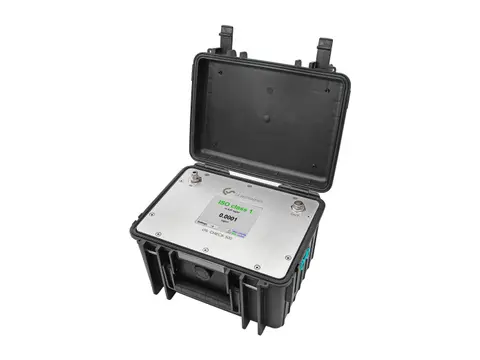
Compressed Air Quality Measurement
Prove your air's ISO 8573-1 purity: particles, oil and dew point.
View product -
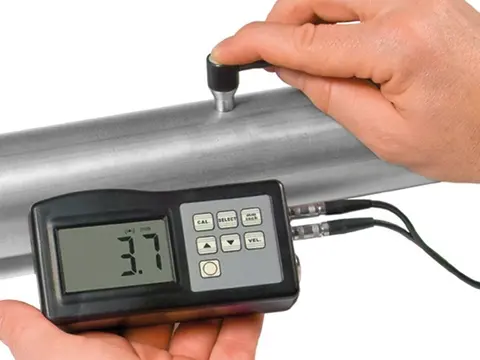
Digital Thickness Meter
Measure the metal left in your receivers and pipework, from the outside.
View product -
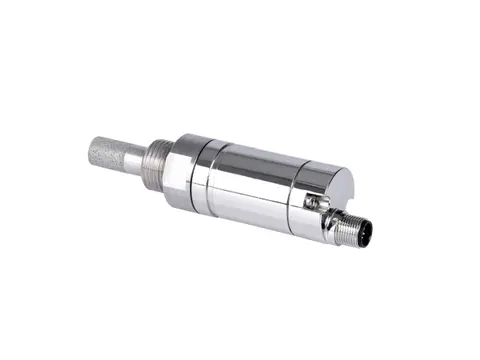
Dew Point Meter
Proof your air is dry, measured at line pressure.
View product -
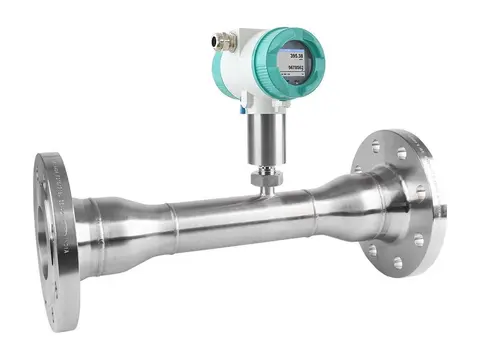
Flow Meter
True standard flow of your compressed air, whatever the line pressure.
View product -

Leak Detector
Hear, locate and cost every compressed air leak in your plant.
View product -
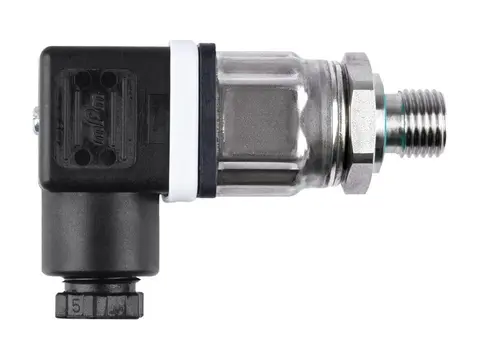
Pressure Sensor
Live pressure data from your compressor room to every point of use.
View product -
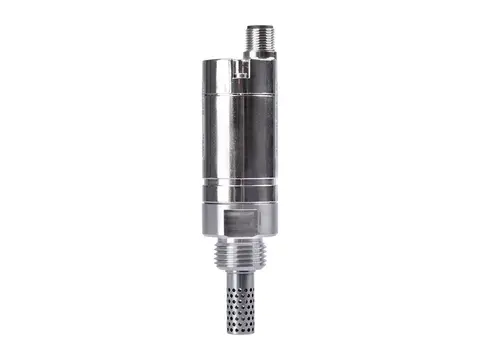
Humidity Meter
Humidity, temperature and dew point from one probe.
View product -
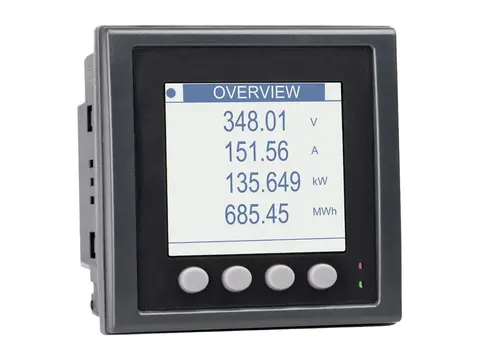
Power Meter
Measure the true power, energy and efficiency of your compressors.
View product
-
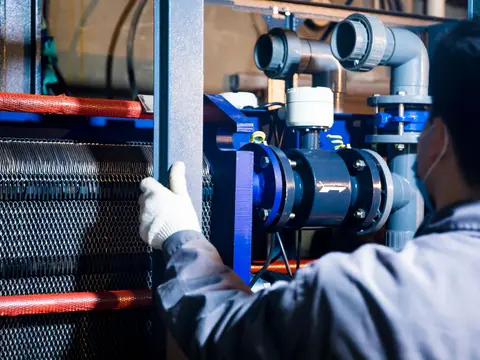
Health Testing of Compressed Air & Gas Dryers
Measured proof your dryer delivers its rated dew point.
View service -
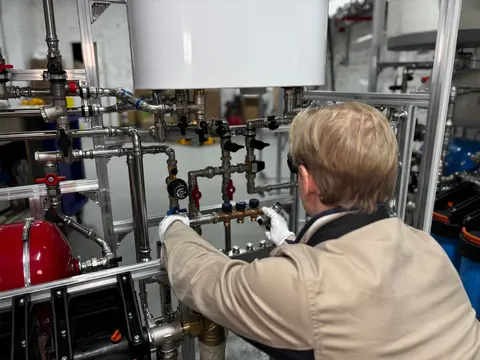
Commissioning and Service of Compressed Air & Gas Dryers
Verified dew point from first start-up through your dryer's service life.
View service -
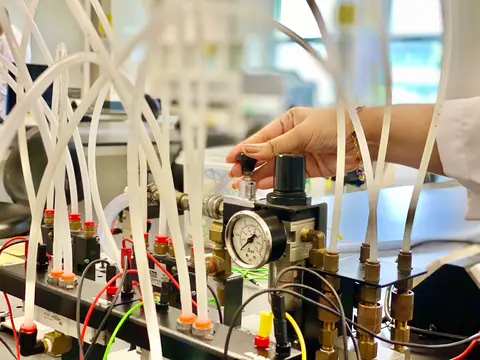
Compressed Air Quality Testing
Measured, documented proof of your compressed air purity class.
View service -
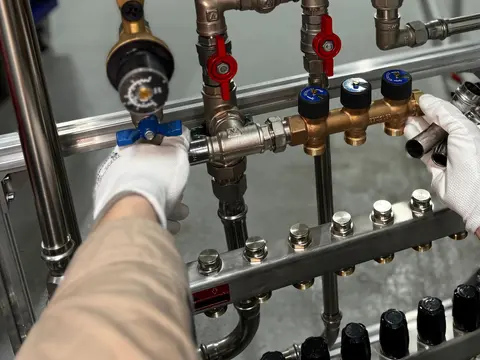
Dew Point Measurement Testing
Verified pressure dew point at the points that matter in your network.
View service -
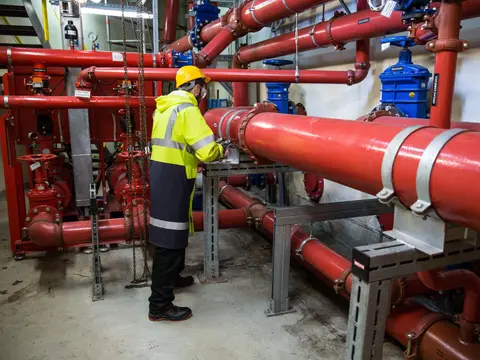
Compressed Air Flow Testing
Measured air demand, leakage and cost for your plant, not estimates.
View service -
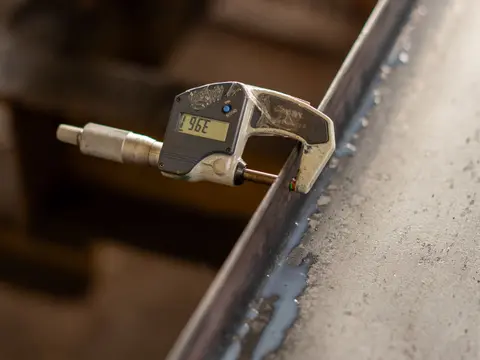
Wall Thickness Testing
Know the remaining wall, corrosion rate and safe life of your equipment.
View service -
Sourcing
Spares, consumables and whole systems for your plant, sourced globally.
View service
