

Our services
Commissioning and Service of Compressed Air & Gas Dryers
A verified dew point from your dryer's first start-up, kept there for the rest of its working life.
Service overview
From first start-up through the dryer's service life
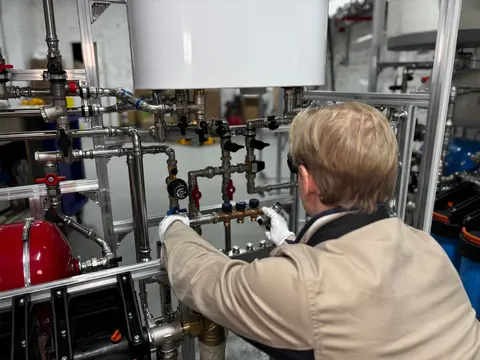
We commission and service refrigerated, heatless desiccant, heated desiccant, membrane and breathing air dryers, and dryers for nitrogen, hydrogen, biogas, natural gas and CO₂, together with their filters, drains, bypass valves and dew point measurement point. Commissioning takes your dryer from a mechanically complete installation to one delivering its specified pressure dew point in production: installation checks, pre-start checks, a controlled start-up set to your actual pressure, temperature and flow, then measured performance and operator training at handover.
Service keeps that baseline. Scheduled visits replace elements, silencers, valve seal kits and desiccant at the intervals their wear dictates, clean condensers, test drains and re-measure the outlet dew point. Corrective visits trace dew point excursions, excess purge, high pressure drop and alarms to their cause. Every visit ends with a report of what was measured, replaced and adjusted, as found and as left.
- BaselineMeasured and signed at commissioning
- ISO 8573-3Dew point measurement methods
- As found, as leftRecorded at every visit
- One serviceDryer, filters, drains and dew point point
Benefits
The problems it solves
A dryer is only as good as the conditions it's set up for and the care it gets afterwards. Here is what goes wrong, and how commissioning and service prevent it.
-
Ratings that don't match your site
The problem
Saturated air at 45 °C and 7 bar g brings the dryer about 70 % more water than at its 35 °C reference condition.
How it solves it
Commissioning measures the dew point under your real conditions, so production starts on dry air and moisture never enters a new network.
-
Factory settings
The problem
A purge set for 7 bar g on a 5 bar g system under-regenerates the desiccant, and on a 10 bar g system wastes compressed air around the clock.
How it solves it
Purge, regeneration and alarm values are set to your actual operating pressure and temperature.
-
Installation errors
The problem
Dryers ahead of the separator, missing pre-filters, drains against back pressure and bypass valves left open all stop a dryer reaching its dew point.
How it solves it
Engineers verify the installation against the design and the manufacturer's requirements before start-up.
-
Silent wear
The problem
Desiccant loses capacity every cycle, filter elements saturate and valve seals leak, yet the dryer keeps running.
How it solves it
Parts are replaced on schedule, before seals leak or elements rupture, and each reading is compared with the commissioning baseline.
-
Wasted energy
The problem
A heatless dryer rated at 1,000 m³/h with a 14.5 % purge vents about 127,000 kWh of compressed air a year.
How it solves it
Correct purge settings, leak-tight exhaust valves and clean filters cut compressed air losses and pressure drop.
-
Gas safety
The problem
Hydrogen is flammable in air between about 4 % and 75 % by volume, so admitting it to a dryer still full of air is a hazard.
How it solves it
Inert gas purging, leak testing and vent verification are completed before the dryer carries process gas.
Where it’s used
Wherever a dryer has to hold its dew point
From instrument air to food contact to hydrogen, these are some of the plants that rely on dryers commissioned and serviced to a measured standard.
-

Power generation
Instrument air, switchgear air and generator cooling gas dryers supporting availability-critical plant.
-

Food and beverage
Air in direct contact with food at −40 °C PDP, where service records form part of HACCP documentation.
-

Pharmaceuticals
Process air whose specified water class GMP audits need evidence of throughout production.
-

Automotive and general manufacturing
Paint shops, powder coating, assembly tools and pneumatic automation that depend on stable dry air.
-

Plastics and PET
High-pressure blowing air and resin drying lines, with dryers holding dew point at 30–40 bar g.
-
Textiles
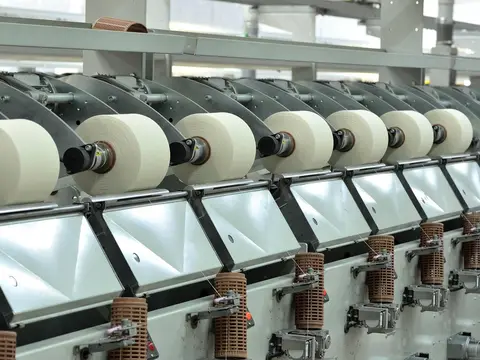
Air-jet looms using large air volumes, where purge and pressure losses carry a direct energy cost.
Also oil, gas, refining and petrochemicals, hospitals and healthcare, breathing air, electronics and semiconductors, hydrogen production and fuel cells, biogas and CNG, beverage CO₂ recovery and nitrogen generation.
Keep exploring
More from our range
Our other services, and equipment for every stage of your compressed air.
-
Refrigerated Air Dryers
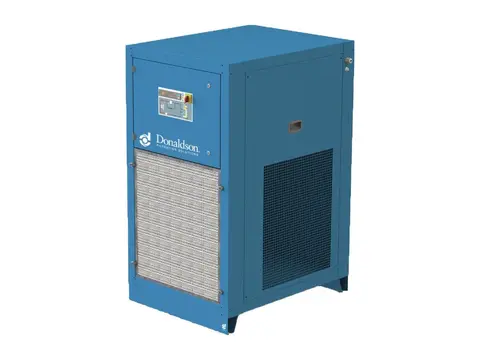
Dry, condensate-free air for your plant, with no compressed air spent drying.
View product -
Heated Desiccant Dryers
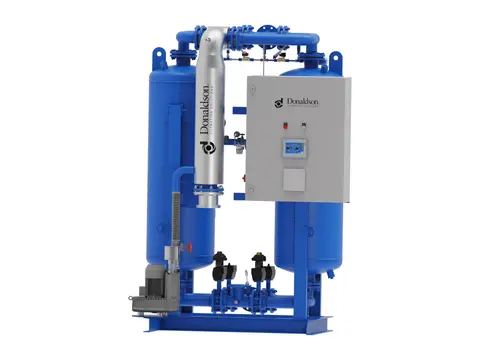
Deep, stable dew points for your air, with heat doing the regeneration.
View product -
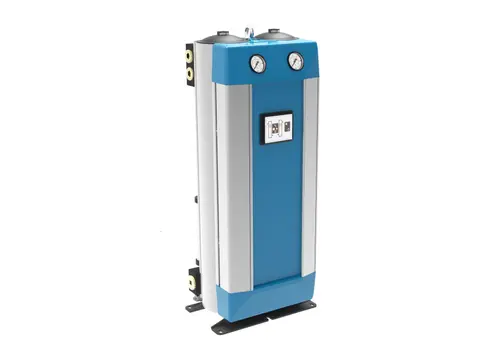
Heatless Desiccant Dryers
Deep dew points without heaters, for hazardous areas and remote sites.
View product -
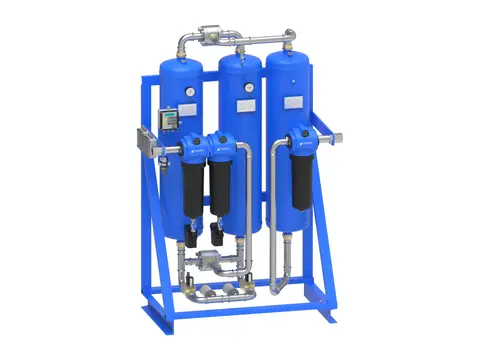
Breathing Air Systems
Your plant’s compressed air, made safe to breathe.
View product -
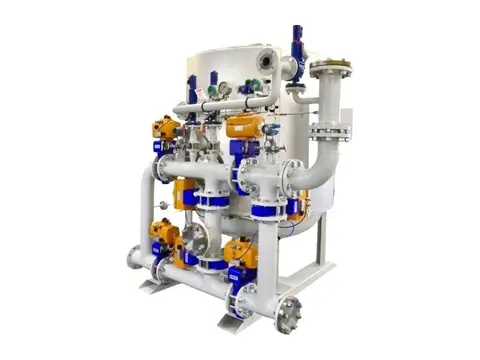
Hydrogen Dryers & De-Oxo Units
Electrolytic hydrogen purified of oxygen and water, ready for fuel cells.
View product -
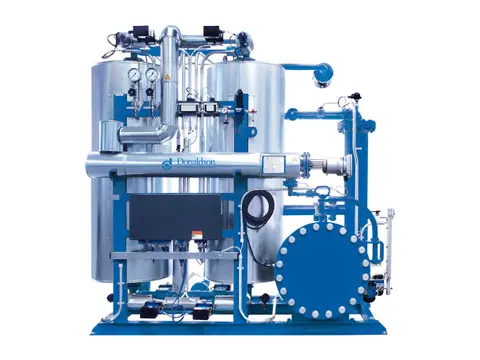
Biogas & Natural Gas Dryers
Dry, condensate-free fuel gas for your engines, boilers and upgrading plant.
View product -
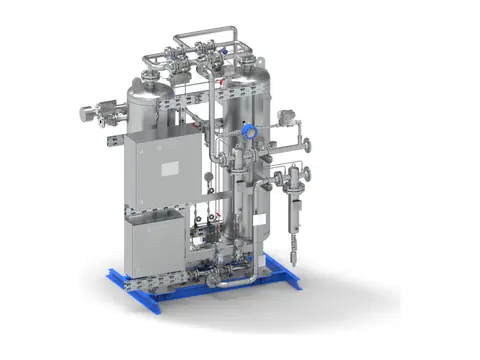
CO₂ Dryers
Beverage-grade dry CO₂ for your recovery plant, with no gas vented.
View product -
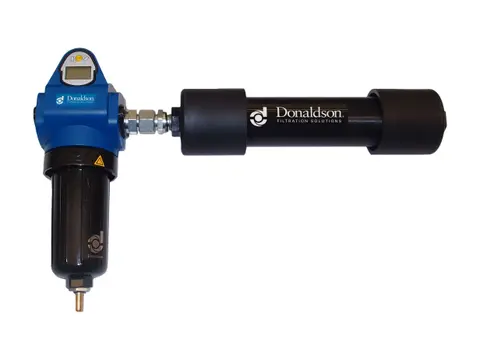
Membrane Dryers
Dry air at the point of use, with no power and no moving parts.
View product
-
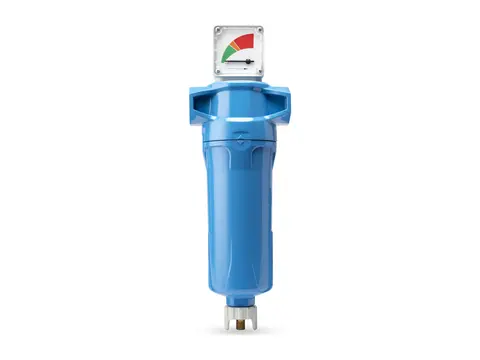
Coalescing Filters
Takes oil and water aerosols out of your air, down to 0.01 mg/m³.
View product -
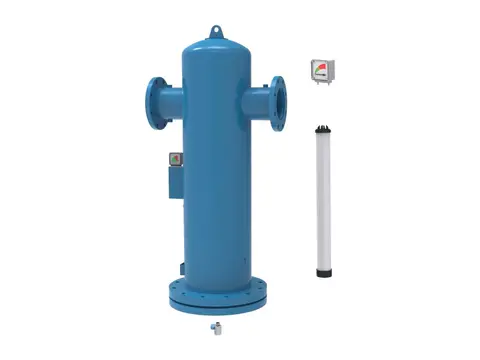
Particulate Filters
Dry, dust-free air for your plant, down to 0.01 µm particles.
View product -
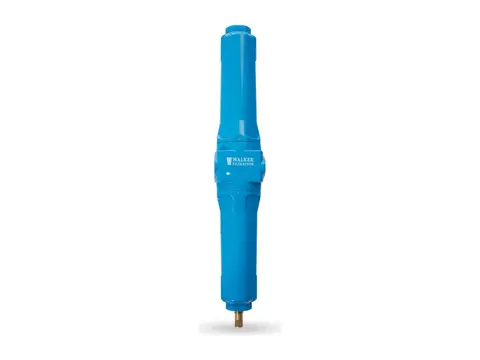
Compressed Air Duplex Filters
Change filter elements without interrupting your air supply.
View product -
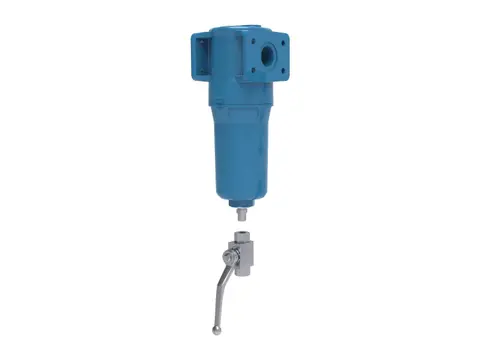
High Pressure Filters
Certified air purity for your high-pressure lines, up to 350 bar g.
View product -
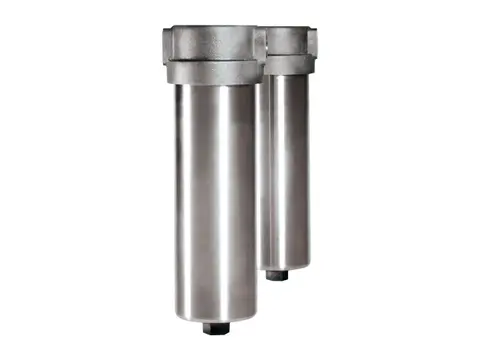
High Temperature Filters
Particle-free compressed air and gas where your process runs hot.
View product -
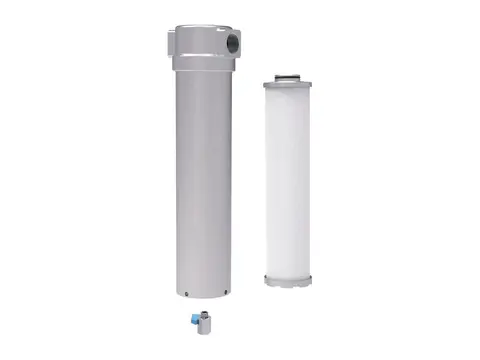
Ammonia and Refrigerant Filters
Keeps compressor oil out of your condensers and evaporators.
View product -
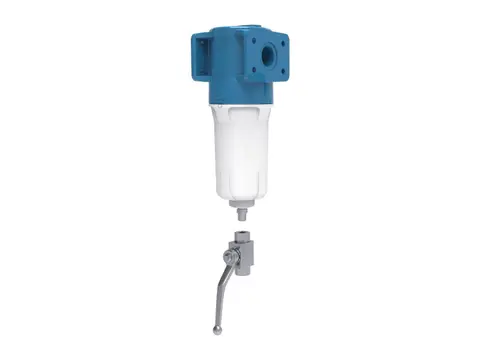
Oxygen Filters
Particle-free oxygen for your system, without adding an ignition source.
View product -
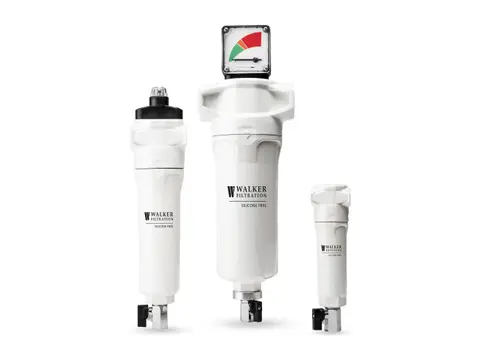
Silicone-Free Filters
Crater-free paint finishes, from air free of paint-wetting contaminants.
View product -
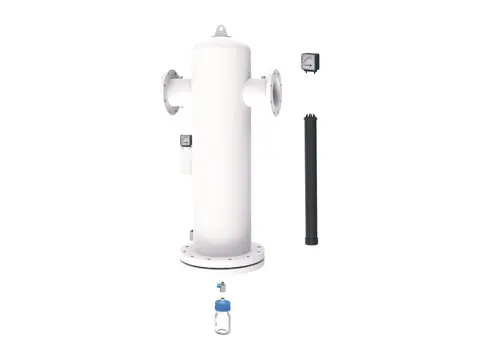
Medical Vacuum Filters
Keeps pathogens from hospital suction away from your pumps and exhaust.
View product -
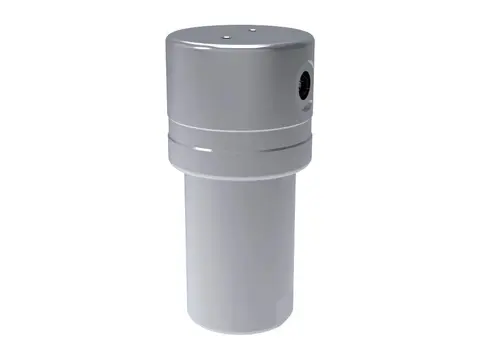
Hydrogen Filters
Particle, aerosol and oil-free hydrogen, from electrolyser to dispenser.
View product -
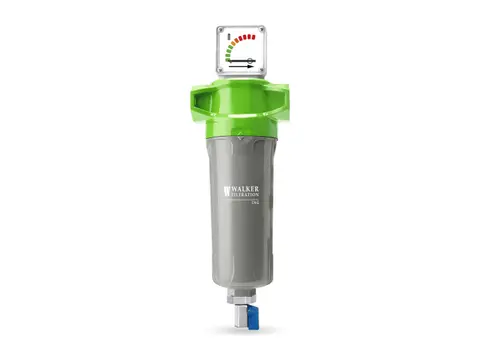
CNG Filters
Oil-free, particle-free natural gas from your compressor to the vehicle.
View product
-
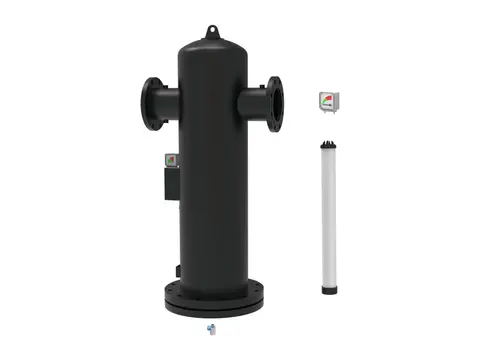
Centrifugal Moisture Separators
Bulk liquid out of your air by centrifugal force, with no element to replace.
View product -
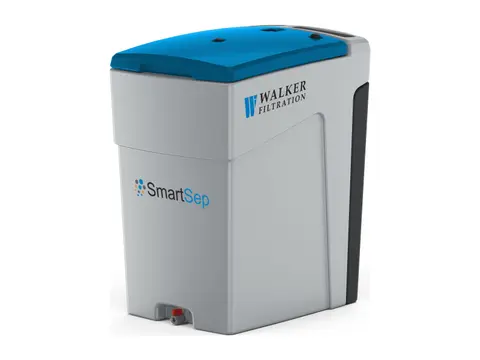
Oil Water Separator
Turns oily compressor condensate into water fit for sewer discharge.
View product -
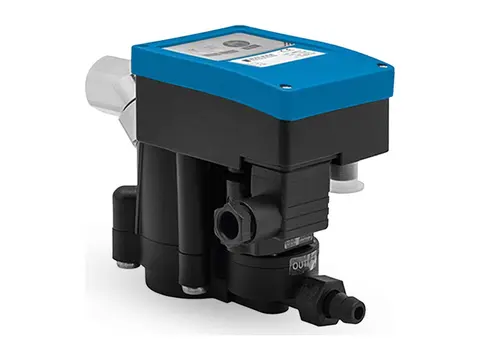
Zero-Loss Electronic Drain
Discharges every drop of condensate from your system, never your compressed air.
View product -
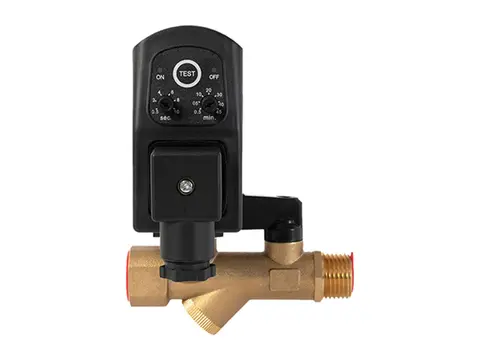
Timer Drain
Scheduled, positive condensate discharge from any collection point in your system.
View product -
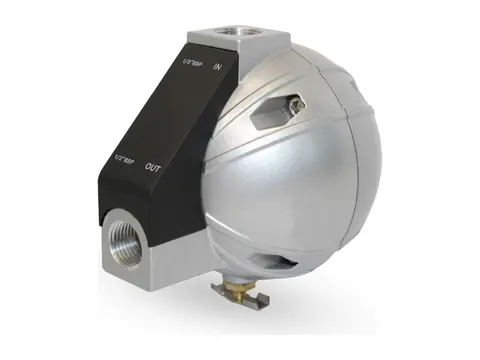
Mechanical Float Drain
Buoyancy-driven condensate removal with no power and no air loss.
View product -
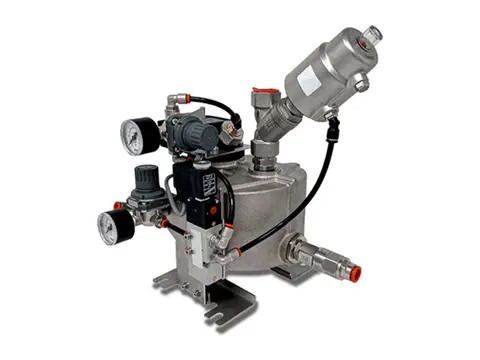
Vacuum Drain
Empties liquid from your vacuum system without breaking the vacuum.
View product
-
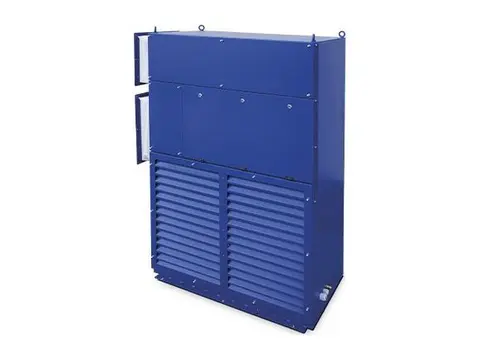
Crane Air Conditioner
Cool, clean cabins and electrical rooms for cranes working in extreme heat.
View product -
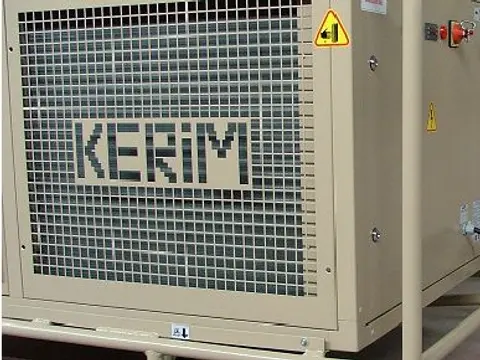
Tent Air Conditioner
Controlled climate for your tents, shelters and temporary structures.
View product -
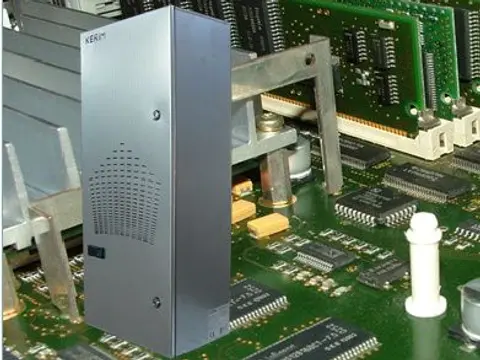
Panel Air Conditioner
Cool, clean, dry control panels, even in your hottest, dirtiest plant areas.
View product -
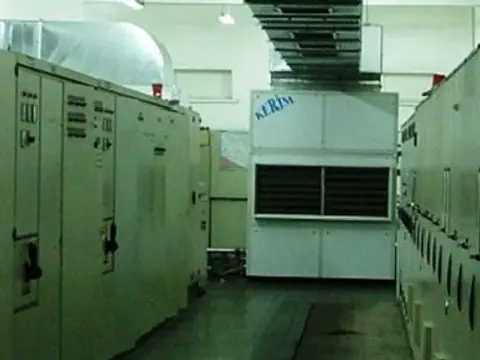
Air / Water Cooled Air Conditioner
Stable room temperatures for your electrical rooms in extreme plant heat.
View product
-
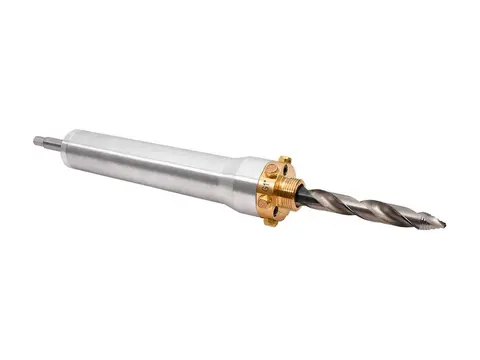
Hot Tapping
Add measurement ports to your live air lines without stopping production.
View product -
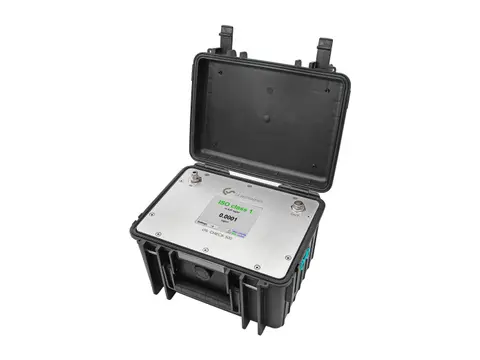
Compressed Air Quality Measurement
Prove your air's ISO 8573-1 purity: particles, oil and dew point.
View product -
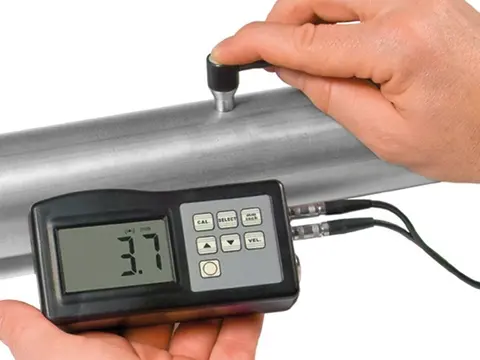
Digital Thickness Meter
Measure the metal left in your receivers and pipework, from the outside.
View product -
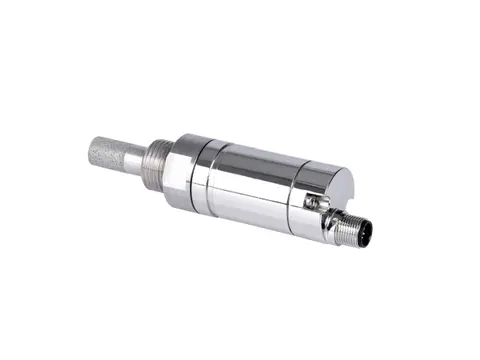
Dew Point Meter
Proof your air is dry, measured at line pressure.
View product -
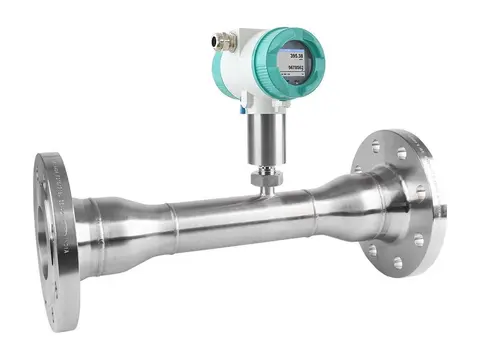
Flow Meter
True standard flow of your compressed air, whatever the line pressure.
View product -
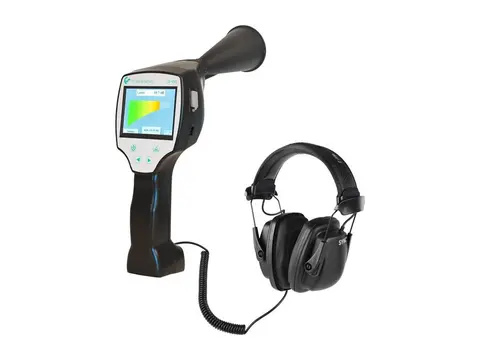
Leak Detector
Hear, locate and cost every compressed air leak in your plant.
View product -
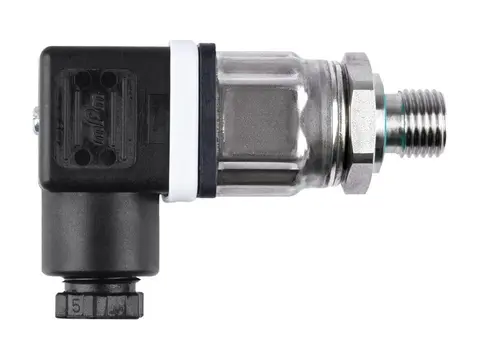
Pressure Sensor
Live pressure data from your compressor room to every point of use.
View product -
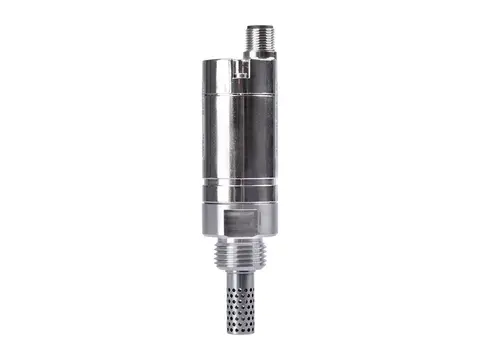
Humidity Meter
Humidity, temperature and dew point from one probe.
View product -
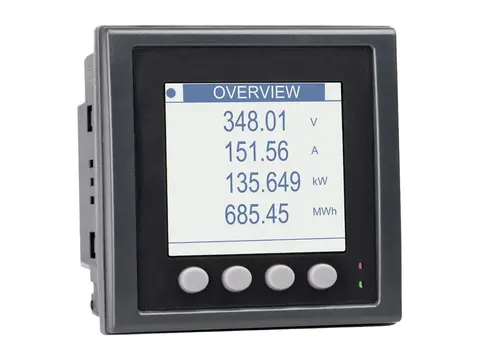
Power Meter
Measure the true power, energy and efficiency of your compressors.
View product
-
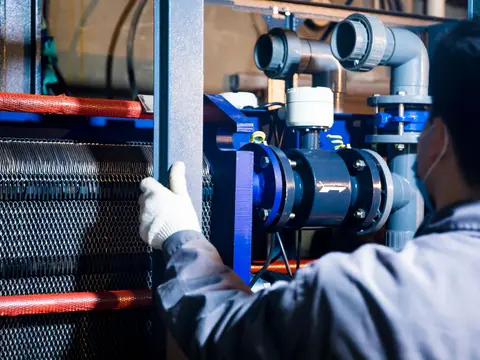
Health Testing of Compressed Air & Gas Dryers
Measured proof your dryer delivers its rated dew point.
View service -
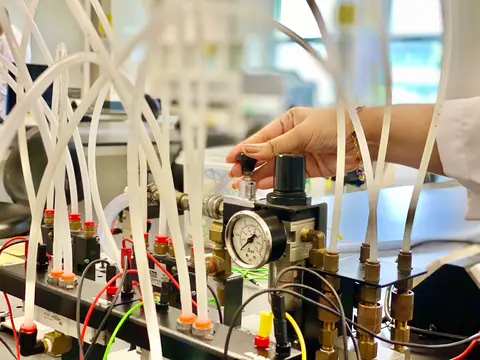
Compressed Air Quality Testing
Measured, documented proof of your compressed air purity class.
View service -
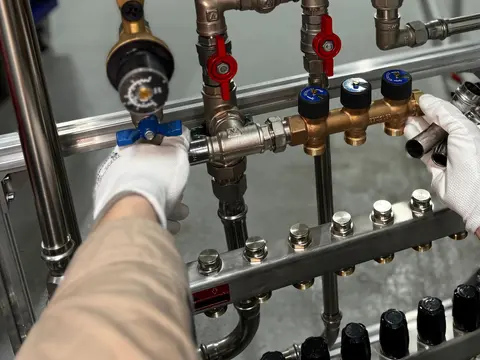
Dew Point Measurement Testing
Verified pressure dew point at the points that matter in your network.
View service -
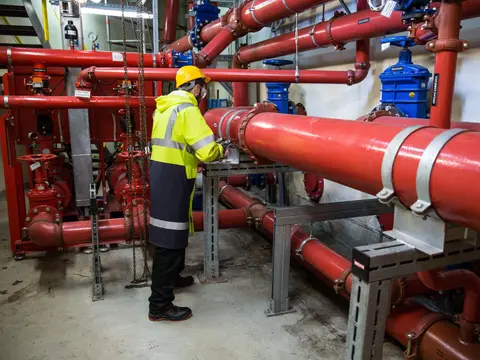
Compressed Air Flow Testing
Measured air demand, leakage and cost for your plant, not estimates.
View service -
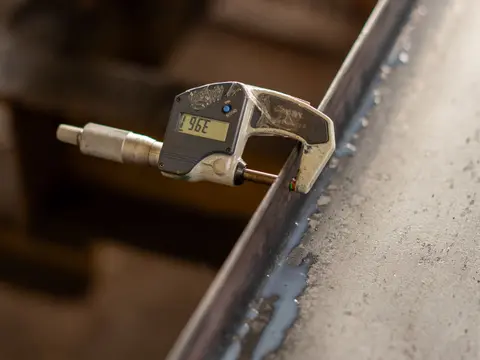
Wall Thickness Testing
Know the remaining wall, corrosion rate and safe life of your equipment.
View service -
Sourcing
Spares, consumables and whole systems for your plant, sourced globally.
View service
