

Compressed Air & Gas Dryers
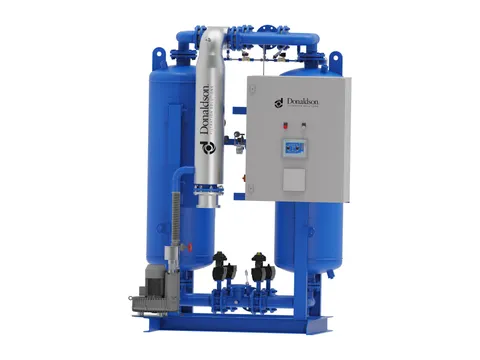
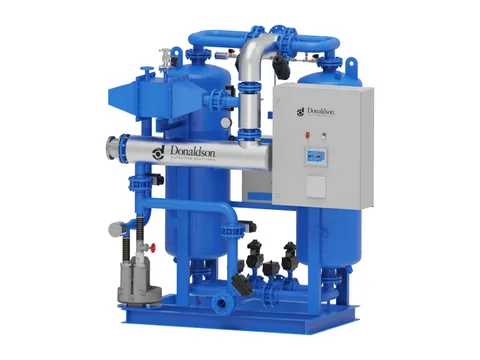
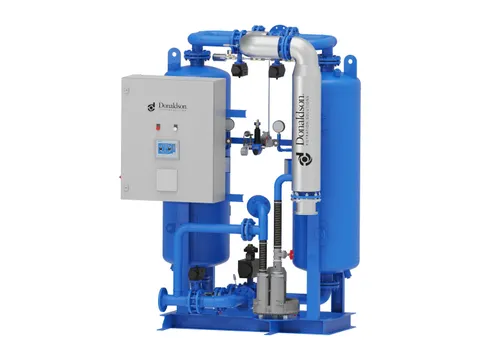
Heated Desiccant Dryer
Deep, steady dew points around the clock, with heat rather than your compressed air doing most of the regeneration.
Product overview
Deep dew points for big plants that never stop
Our heated desiccant dryer takes the water vapour out of your compressed air by adsorption, and regenerates its desiccant with heat. It delivers a pressure dew point of −40 °C as standard, and −70 °C with a molecular sieve bed, so no condensation forms in pipes, instruments or processes that stay above that dew point, including outdoor pipe racks in winter and lines through cold rooms.
Two towers of desiccant take turns: one dries your air for several hours while the other is regenerated, then they swap. Heat raises the vapour pressure of the water held on the desiccant by several hundred times, so a modest flow of hot purge air carries it away.
Because the heater supplies most of the regeneration energy, little dry air is spent on purging: averaged over a full cycle, it is commonly quoted at 5–8 % of rated flow. That makes it the natural choice for continuous, high-flow duty in your central compressor house.
- −40 °CPressure dew point as standard
- −70 °CPressure dew point with molecular sieve
- 5–8 %Of rated flow used as purge, as commonly quoted
- 99.77 %Of the water vapour removed at −40 °C
Benefits
The problems it solves
Compressed air leaves the aftercooler saturated, and every surface cooler than the air condenses more water. Here is what that water does to a plant, and how the dryer stops it.
-
Rust in your pipework
The problem
Rust scale blocks orifices, jams valve spools and scores cylinder bores.
How it solves it
Air at −40 °C pressure dew point has a relative humidity below 1 % at any pipe temperature above 0 °C, so internal rust stops forming.
-
Frozen lines and instruments
The problem
Ice blocks outdoor instrument lines and air lines through cold stores, and a frozen instrument loses control of your process.
How it solves it
−40 °C as standard, and −70 °C with molecular sieve, keeps outdoor lines, cold-store piping and sensitive processes free of condensate and ice.
-
Purge that eats your air
The problem
On a plant compressing 5,000 m³/h, each 1 % of flow used as purge is 50 m³/h of compressed air, 438,000 m³ a year of continuous running.
How it solves it
Heat supplies most of the regeneration energy, so average purge is commonly quoted at around 5–8 % of rated flow.
-
Dew point swings
The problem
Short overloads and hot inlet air push moisture towards the outlet of a desiccant bed.
How it solves it
Each tower is thoroughly regenerated by heat, and the dry reserve at the outlet end of the bed absorbs short overloads and inlet temperature spikes.
-
Worn valves and dusty beds
The problem
Every changeover vents a tower, cycles the valves and moves the desiccant beads against each other.
How it solves it
A typical 8-hour cycle keeps depressurisations to a few a day, so valves operate less often, blowdown losses are small and desiccant attrition is lower.
-
Audits and specifications
The problem
Regulated plants release product only against a documented record of compliant dew point.
How it solves it
The dryer sets the ISO 8573-1:2010 water class, Class 2 at −40 °C and Class 1 at −70 °C, and continuous dew point records support GMP and HACCP audits.
Where it’s used
Where big plants need deep, dry air
Heated regeneration pays off on large central plants running around the clock, and deep dew points matter most where your lines run outdoors or through the cold.
-
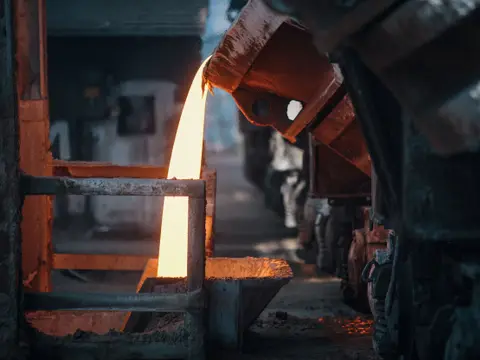
Steel, aluminium and metals
Large networks across outdoor yards, rolling mills and furnace areas, where freezing and corrosion stop production.
-

Power generation
Instrument air for dampers, valve actuators and soot-blower controls, and dry air for pneumatically operated high-voltage switchgear.
-

Cement, glass and mining
Long outdoor air lines, pneumatic conveying of powders and pulse-jet bag filter cleaning, kept free of blockages and caking.
-

Chemicals and fertilisers
Dry air protects moisture-sensitive reactions, catalysts and hygroscopic products during conveying and storage.
-

Food and beverage
Class 2:2:1 air for direct food contact under BCAS Guideline 102, and conveying of milk powder, sugar and flour without caking.
-

Automotive
Large, continuous flows for spray painting, robotic tools and leak testing in paint shops, body shops and powertrain plants.
Also central instrument air in oil, gas, refining and petrochemicals, pulp and paper, pharmaceuticals, −70 °C air for electronics and semiconductors, feed air for nitrogen generators, drying of nitrogen, carbon dioxide and natural gas, and air-jet looms in textiles.
How it works
Dry, heat, cool, swap
While one tower dries your air, the other is vented, heated and cooled, ready to take over. Hot purge air flows down the bed from its outlet end, so the part that sets your dew point is regenerated first.
-
1. AdsorbWet air rises through Tower A, where the desiccant holds its water vapour, and leaves the top dry, at −40 °C pressure dew point as standard. In a common arrangement each tower dries for 4 hours at a time.
-
2. DepressuriseTower B's inlet closes and its exhaust opens, venting it to near atmospheric pressure. The venting rate is limited so the escaping air does not lift and grind the bed.
-
3. HeatA metered flow of dry air from Tower A is expanded, heated, typically to 150–200 °C for activated alumina, and passed down through Tower B. A thermal front moves down the bed, and the released water leaves through the silencer as hot, humid air. When the exhaust temperature rises, the whole bed has been heated.
-
4. CoolThe heater switches off and unheated dry purge air keeps flowing until the bed is close to purge air temperature, so it returns to service without a temperature or dew point spike.
-
5. Repressurise and change overThe exhaust closes and dry air raises Tower B to line pressure. Tower B then takes over drying, and Tower A begins its own regeneration.
Typical figures for an 8-hour cycle with activated alumina, each tower drying for 4 hours.
Get the full details
Our brochure covers it in detail, and our questionnaire tells us what we need to recommend the right one for your plant.
Keep exploring
More from our range
Equipment for every stage of your compressed air, and our own engineers to test, commission and look after it.
-
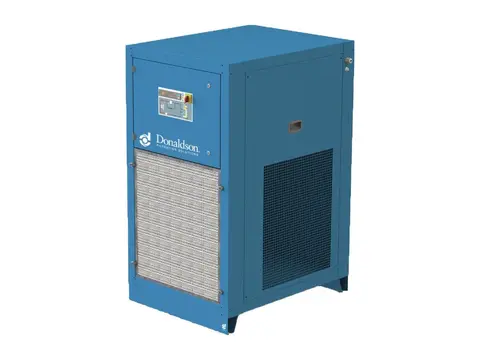
Refrigerated Air Dryers
Dry, condensate-free air for your plant, with no compressed air spent drying.
View product -
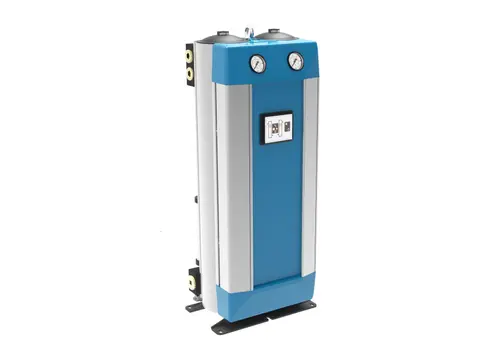
Heatless Desiccant Dryers
Deep dew points without heaters, for hazardous areas and remote sites.
View product -
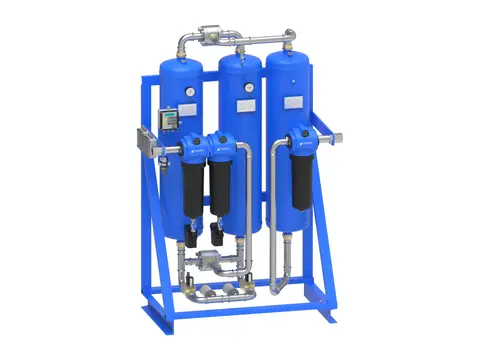
Breathing Air Systems
Your plant’s compressed air, made safe to breathe.
View product -
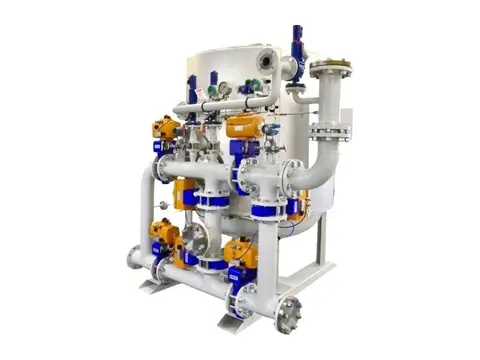
Hydrogen Dryers & De-Oxo Units
Electrolytic hydrogen purified of oxygen and water, ready for fuel cells.
View product -
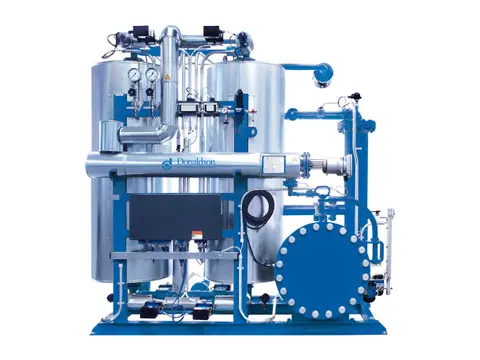
Biogas & Natural Gas Dryers
Dry, condensate-free fuel gas for your engines, boilers and upgrading plant.
View product -
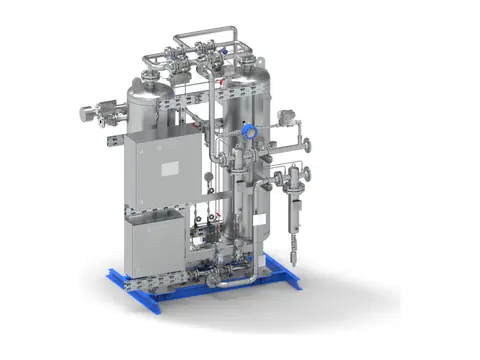
CO₂ Dryers
Beverage-grade dry CO₂ for your recovery plant, with no gas vented.
View product -
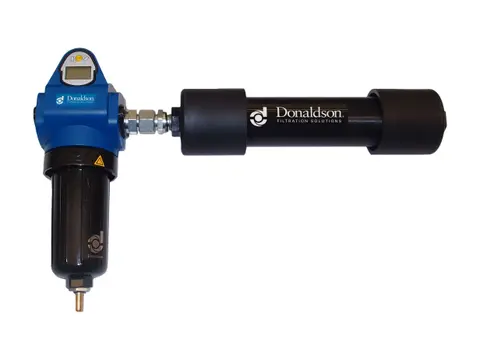
Membrane Dryers
Dry air at the point of use, with no power and no moving parts.
View product
-
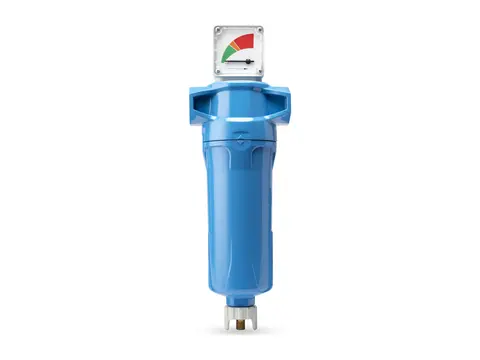
Coalescing Filters
Takes oil and water aerosols out of your air, down to 0.01 mg/m³.
View product -
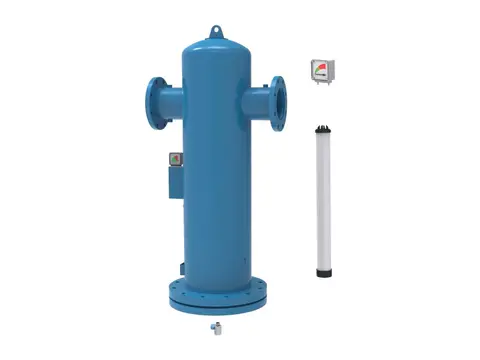
Particulate Filters
Dry, dust-free air for your plant, down to 0.01 µm particles.
View product -
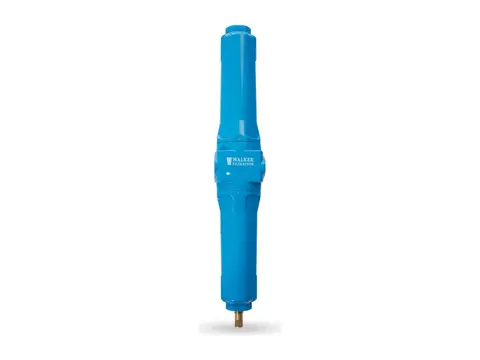
Compressed Air Duplex Filters
Change filter elements without interrupting your air supply.
View product -
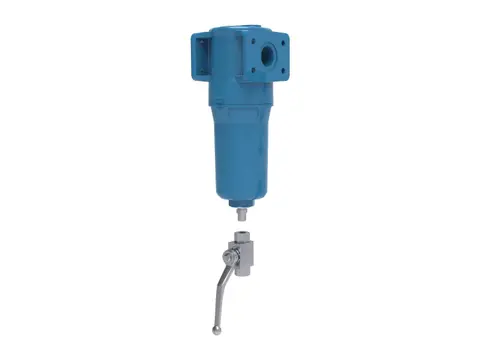
High Pressure Filters
Certified air purity for your high-pressure lines, up to 350 bar g.
View product -
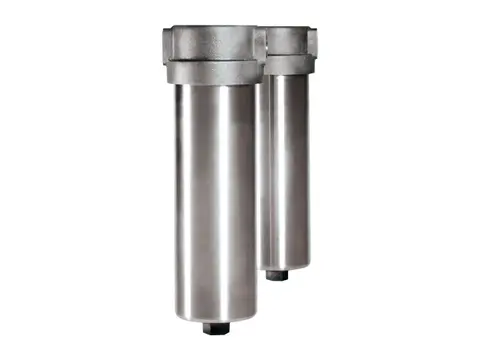
High Temperature Filters
Particle-free compressed air and gas where your process runs hot.
View product -
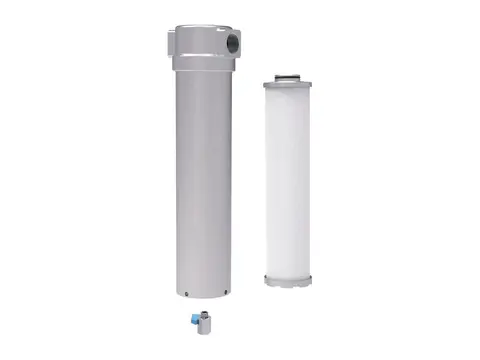
Ammonia and Refrigerant Filters
Keeps compressor oil out of your condensers and evaporators.
View product -
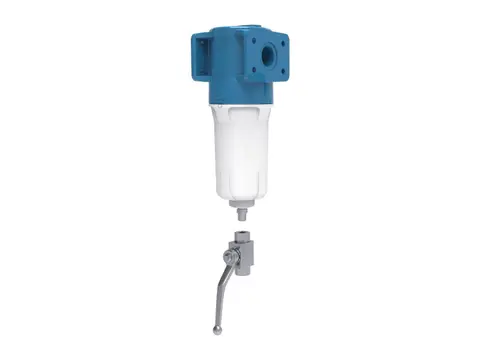
Oxygen Filters
Particle-free oxygen for your system, without adding an ignition source.
View product -
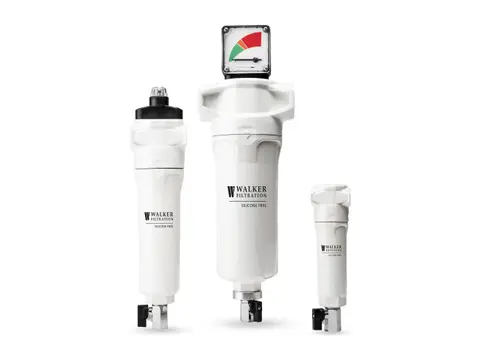
Silicone-Free Filters
Crater-free paint finishes, from air free of paint-wetting contaminants.
View product -
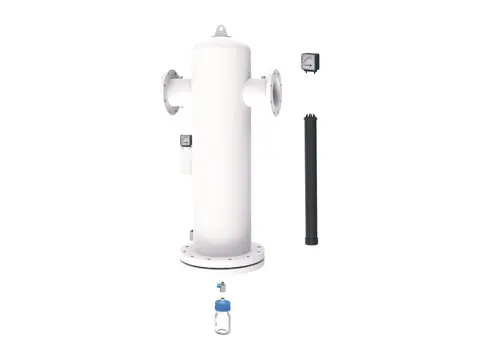
Medical Vacuum Filters
Keeps pathogens from hospital suction away from your pumps and exhaust.
View product -
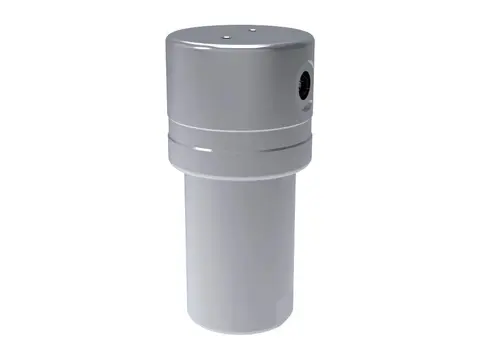
Hydrogen Filters
Particle, aerosol and oil-free hydrogen, from electrolyser to dispenser.
View product -
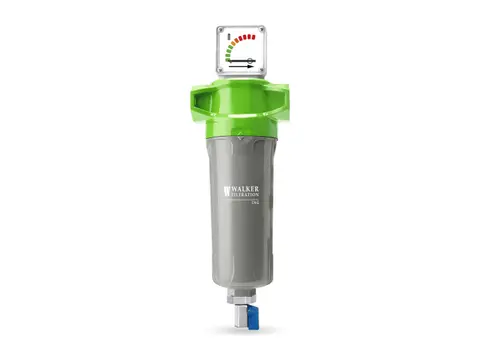
CNG Filters
Oil-free, particle-free natural gas from your compressor to the vehicle.
View product
-
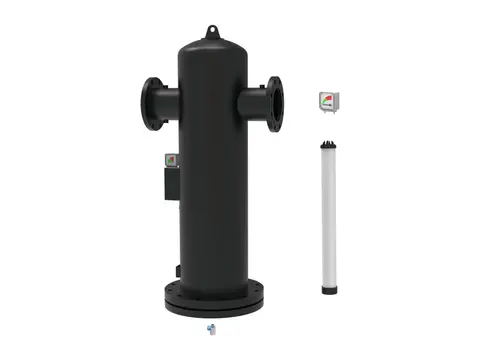
Centrifugal Moisture Separators
Bulk liquid out of your air by centrifugal force, with no element to replace.
View product -
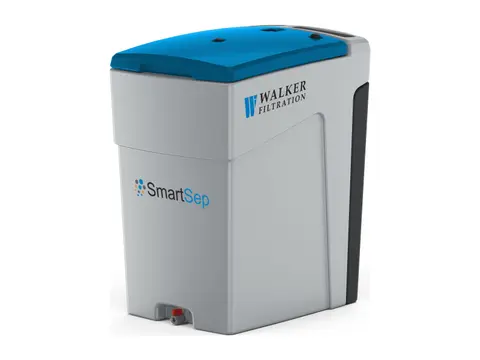
Oil Water Separator
Turns oily compressor condensate into water fit for sewer discharge.
View product -
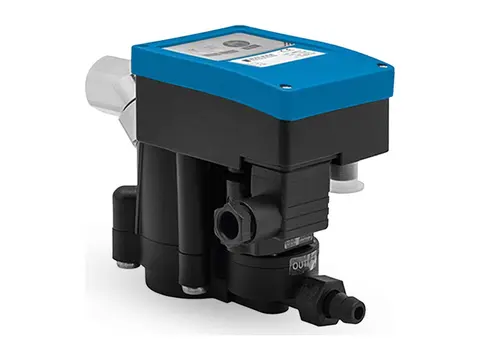
Zero-Loss Electronic Drain
Discharges every drop of condensate from your system, never your compressed air.
View product -
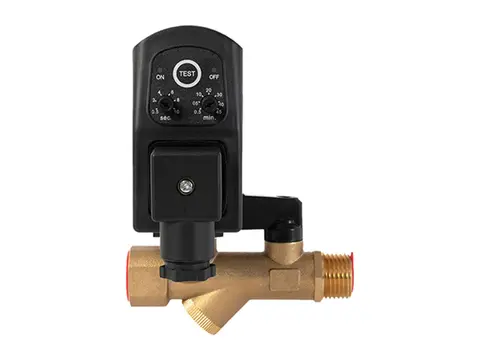
Timer Drain
Scheduled, positive condensate discharge from any collection point in your system.
View product -
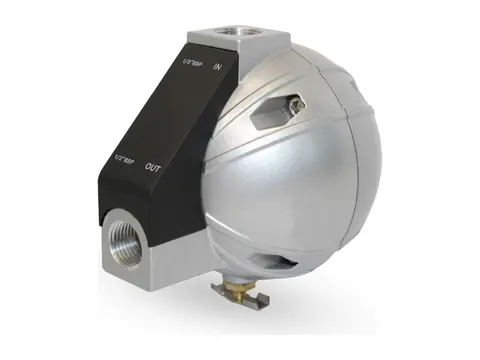
Mechanical Float Drain
Buoyancy-driven condensate removal with no power and no air loss.
View product -
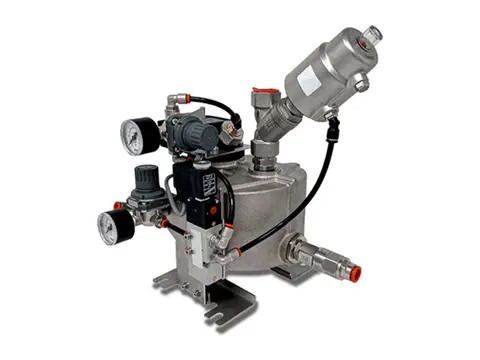
Vacuum Drain
Empties liquid from your vacuum system without breaking the vacuum.
View product
-
Crane Air Conditioner
Cool, clean cabins and electrical rooms for cranes working in extreme heat.
View product -
Tent Air Conditioner
Controlled climate for your tents, shelters and temporary structures.
View product -
Panel Air Conditioner
Cool, clean, dry control panels, even in your hottest, dirtiest plant areas.
View product -
Air / Water Cooled Air Conditioner
Stable room temperatures for your electrical rooms in extreme plant heat.
View product
-
Hot Tapping
Add measurement ports to your live air lines without stopping production.
View product -
Compressed Air Quality Measurement
Prove your air's ISO 8573-1 purity: particles, oil and dew point.
View product -
Digital Thickness Meter
Measure the metal left in your receivers and pipework, from the outside.
View product -
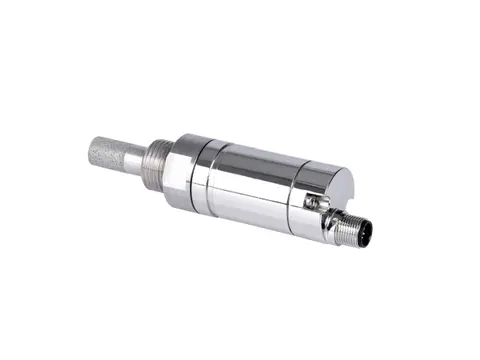
Dew Point Meter
Proof your air is dry, measured at line pressure.
View product -
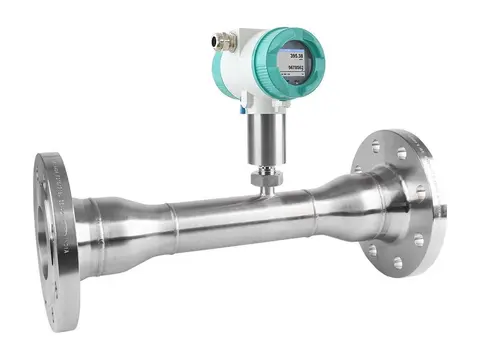
Flow Meter
True standard flow of your compressed air, whatever the line pressure.
View product -

Leak Detector
Hear, locate and cost every compressed air leak in your plant.
View product -
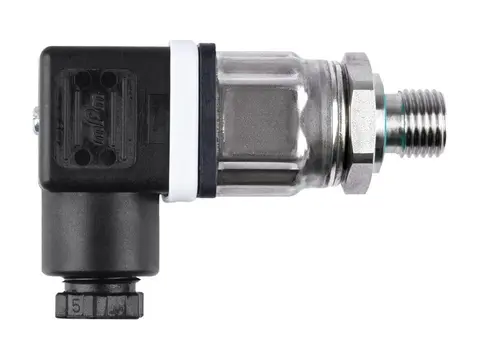
Pressure Sensor
Live pressure data from your compressor room to every point of use.
View product -
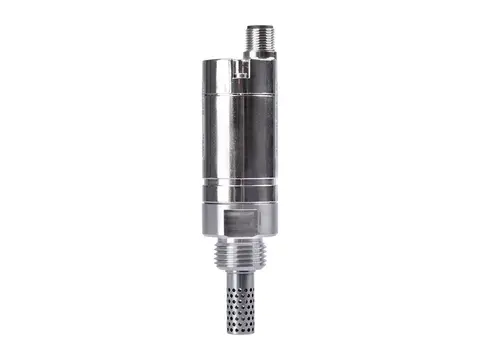
Humidity Meter
Humidity, temperature and dew point from one probe.
View product -
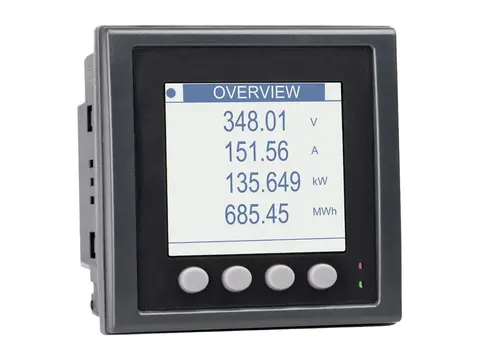
Power Meter
Measure the true power, energy and efficiency of your compressors.
View product
-
Health Testing of Compressed Air & Gas Dryers
Measured proof your dryer delivers its rated dew point.
View service -
Commissioning and Service of Compressed Air & Gas Dryers
Verified dew point from first start-up through your dryer's service life.
View service -
Compressed Air Quality Testing
Measured, documented proof of your compressed air purity class.
View service -
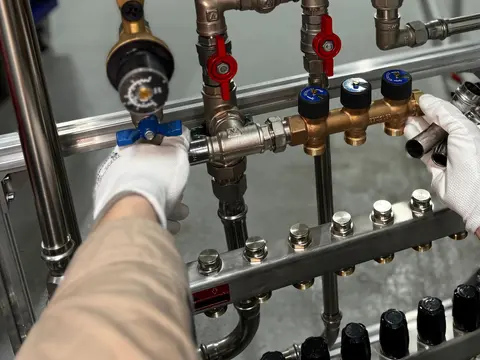
Dew Point Measurement Testing
Verified pressure dew point at the points that matter in your network.
View service -
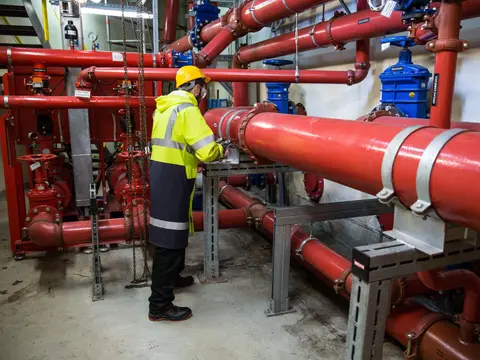
Compressed Air Flow Testing
Measured air demand, leakage and cost for your plant, not estimates.
View service -
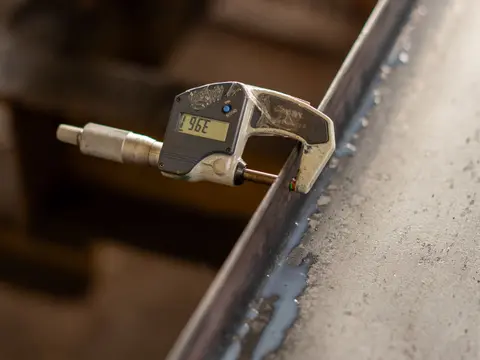
Wall Thickness Testing
Know the remaining wall, corrosion rate and safe life of your equipment.
View service -

Sourcing
Spares, consumables and whole systems for your plant, sourced globally.
View service
